
What is a thermal transfer overprinter (TTO)?
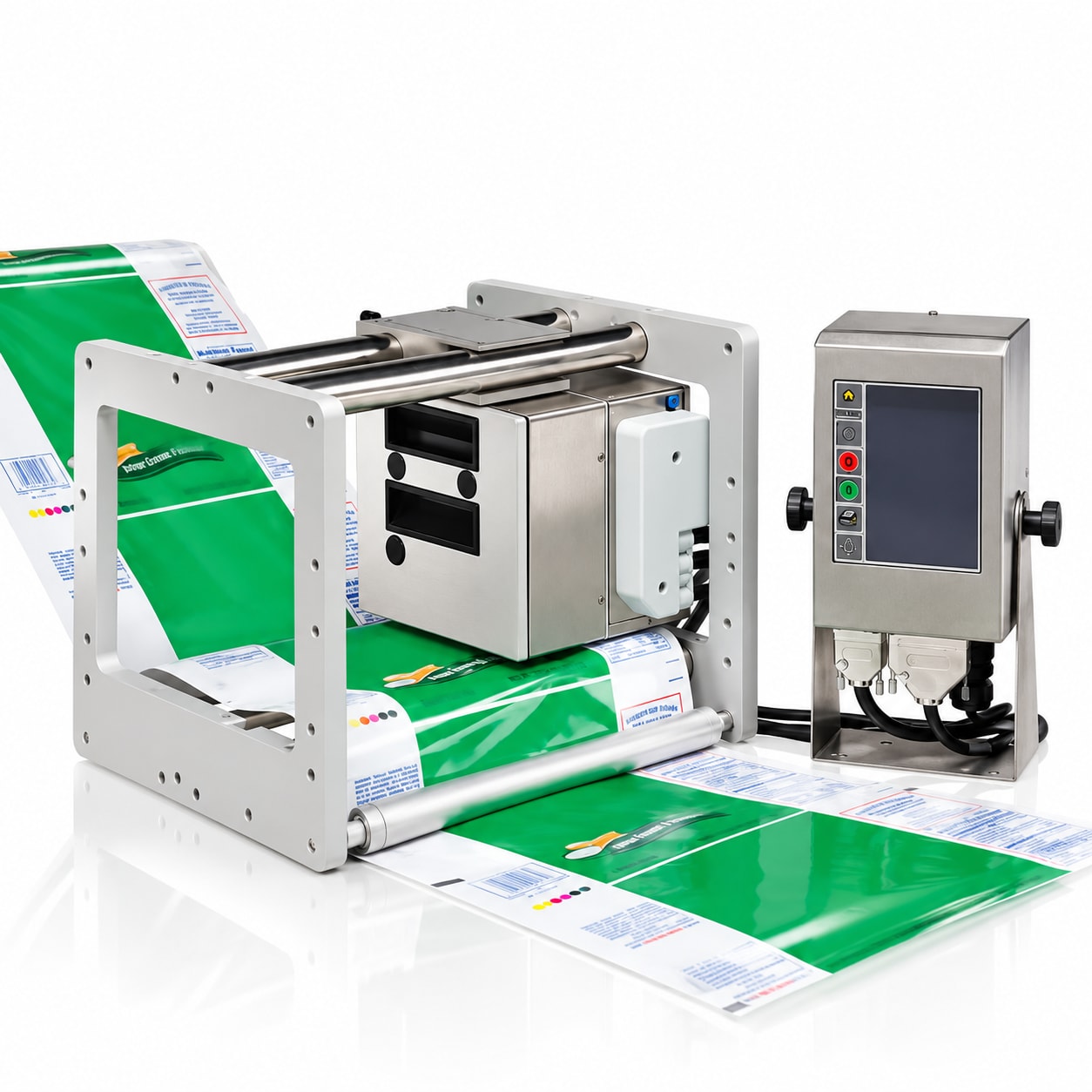
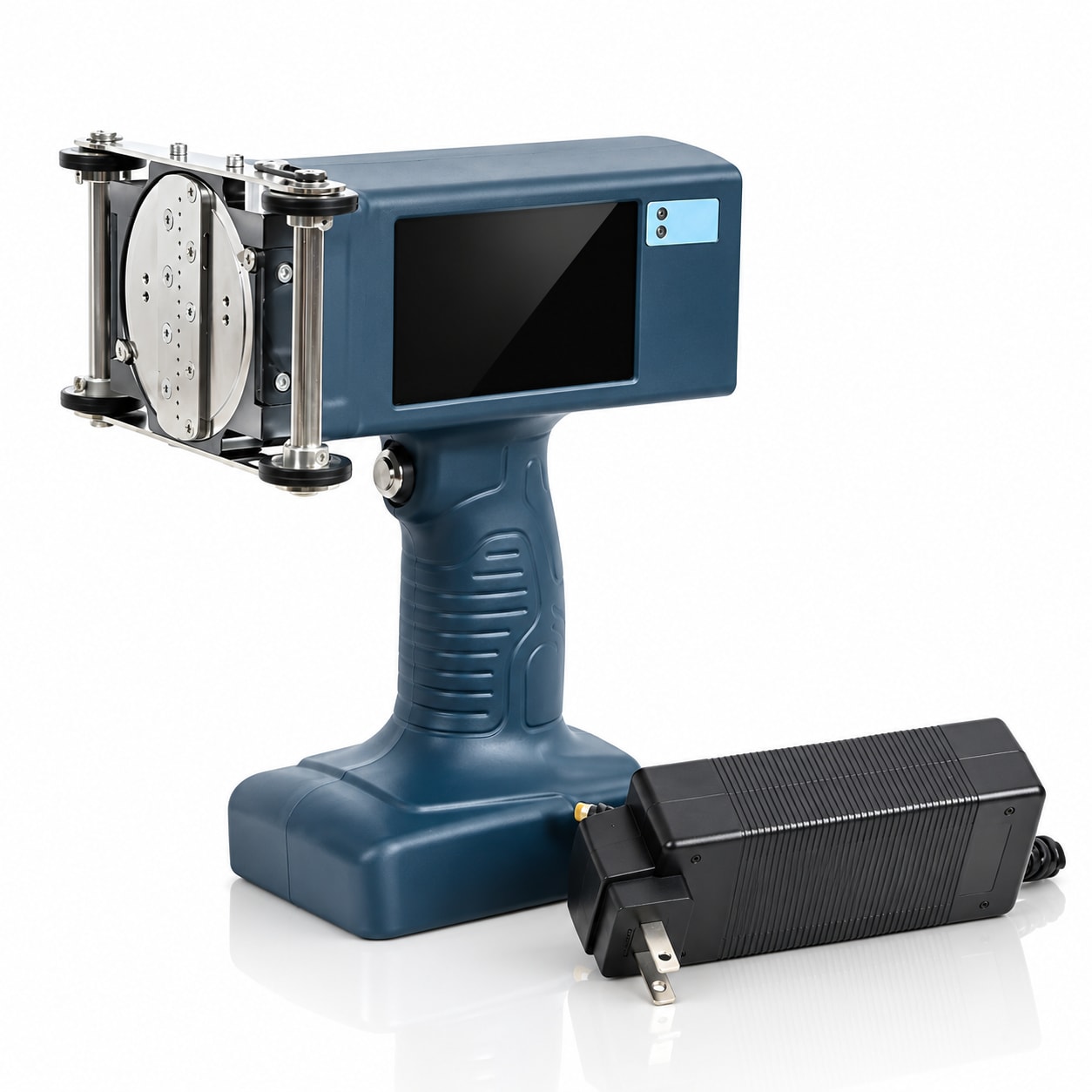
A TTO uses a heated printhead to transfer ink from a thermal ribbon onto flexible packaging film.
That makes it a film-focused coding system. Typical substrates include pouches, laminates and foils, especially on form-fill-seal (FFS) lines where the packaging web is already moving through the machine.
The distinction matters when choosing a coder. TTO is built around printing onto flexible film rather than general-purpose inkjet.
view all batch coding machines
What is the TTO price in India?
Advertised TTO prices in India are around ₹1,60,000 to ₹2,50,000, based on IndiaMART listings.
That is the machine purchase range. It is not the complete operating-cost calculation. Ribbon consumption changes with the amount of ribbon used for each pouch. Two plants can therefore run the same machine and get different operating costs.
thermal transfer overprinter at ₹1,70,000
For purchasing purposes, work through the numbers in this order:
Machine price → print width → print length per pouch → ribbon length → pouches per roll → production volume
That gives a more useful cost picture than comparing machine prices in isolation.
TTO vs CIJ vs TIJ: which coder fits the job?
TTO is primarily suited to flexible film, CIJ to continuous coding across a broader range of production surfaces, and TIJ to high-resolution coding on suitable compatible surfaces.
Factor | TTO | CIJ | TIJ
Substrate fit | Flexible film, pouches, laminates, foils | Broader production-line coding applications | Suitable compatible packaging surfaces
Resolution | 300 dpi class available | Continuous-inkjet character printing | High-resolution inkjet printing
Print speed | Around 250 mm/sec in the 32 mm pneumatic class | Depends on setup and application | Depends on setup and application
Running cost | Driven mainly by thermal-ribbon consumption | Driven by ink and operating consumption | Driven by ink consumption
Best for | Variable coding directly on FFS film | Continuous production coding where CIJ is appropriate | High-resolution batch and variable-data coding where TIJ fits
The substrate and production process should drive the selection. A cheaper machine is not necessarily the right coder if it does not suit the material.
TTO vs CIJ detailed cost comparison
high-speed TIJ batch coder alternative
What print width does a TTO need?
A 32 mm TTO class uses a 32 mm, 300 dpi printhead, with one pneumatic class specified at around 250 mm/sec.
Select print width from the actual coding area, not from the overall pouch width. Measure the space needed for batch, expiry, barcode or QR information.
There is little value in oversizing the printhead when the artwork uses only a small area. The useful width is the maximum variable-data area.
TTO sizing decision aid
Print-width class | Ribbon planning | Pouch-per-roll calculation | Production check
32 mm | Plan ribbon by purchased width and length; consumption follows printed area | Ribbon length in mm ÷ print length per pouch in mm | PPM × 60 × shift hours
Wider than 32 mm | Match ribbon width to the required print area and purchased ribbon length | Ribbon length in mm ÷ print length per pouch in mm | PPM × 60 × shift hours
The number that matters most for ribbon planning is pouches per ribbon roll.
For example, if one pouch consumes 40 mm of ribbon and a roll contains 600,000 mm of usable ribbon:
600,000 ÷ 40 = 15,000 pouch prints per roll.
That is the theoretical calculation. Actual consumption should be based on the printed area required on the pouch.
Production planning uses the same direct approach. If the line produces PPM pouches per minute, expected prints per shift are:
PPM × 60 × shift hours
FFS-line integration checklist
- Confirm film type: pouch film, laminate or foil.
- Measure the maximum print area required per pouch.
- Record actual line speed and pouch production rate.
- Confirm the required content: batch, expiry, barcode and/or QR.
- Check the available mounting position on the FFS line.
- Calculate ribbon demand from print length per pouch and production volume.
- Confirm the print width class, such as 32 mm.
- Calculate expected prints per shift using PPM × 60 × shift hours.
How does TTO integrate with an FFS line?
A TTO mounts on the form-fill-seal line and prints batch, expiry, barcode or QR information onto each pouch in motion.
The printer becomes part of the FFS process rather than requiring a separate offline printing operation.
Before specifying the coder, check the film, available mounting position, line speed and maximum coding area.
The right TTO is the one whose print width, ribbon consumption and mounting arrangement match the actual line.