Last updated: 9 October 2026
Which pouch packing machine do you need?
Machine selection comes down to three operational variables: product viscosity, pouch format, and hourly volume. On the New Vision Machines list, that spans a Rs 1.7 lakh 1,000 PPH water pouch packer to a Rs 19 lakh multi-lane sachet line.
Swipe or scroll horizontally to view all columns
| Machine | Pouch type | Capacity | Price ex-works (INR) |
|---|---|---|---|
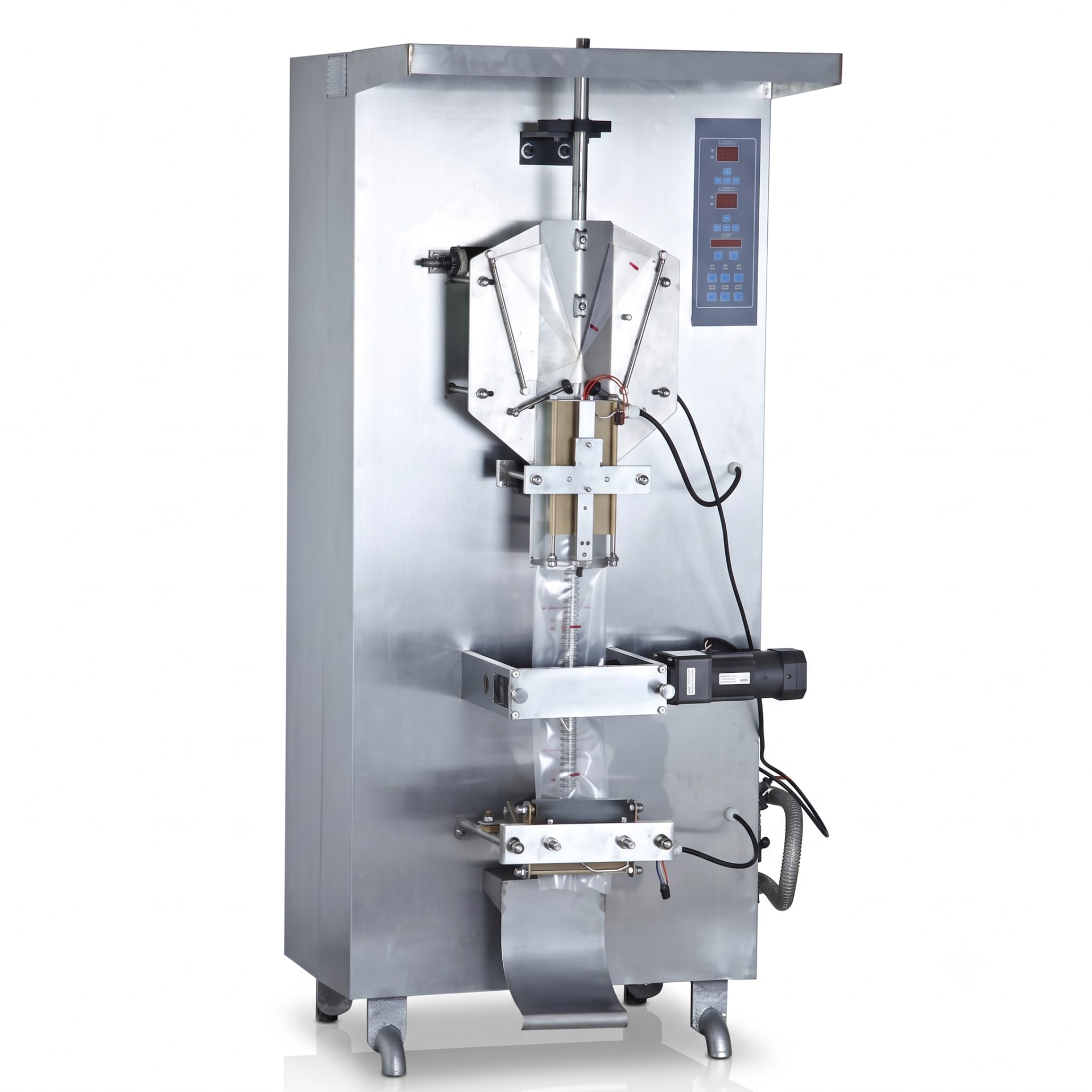
| water pouch packing machine (Rs 1,70,000) | Pillow pouch (100–200 ml) | 1,000 pouches/hour | Rs 1,70,000 |
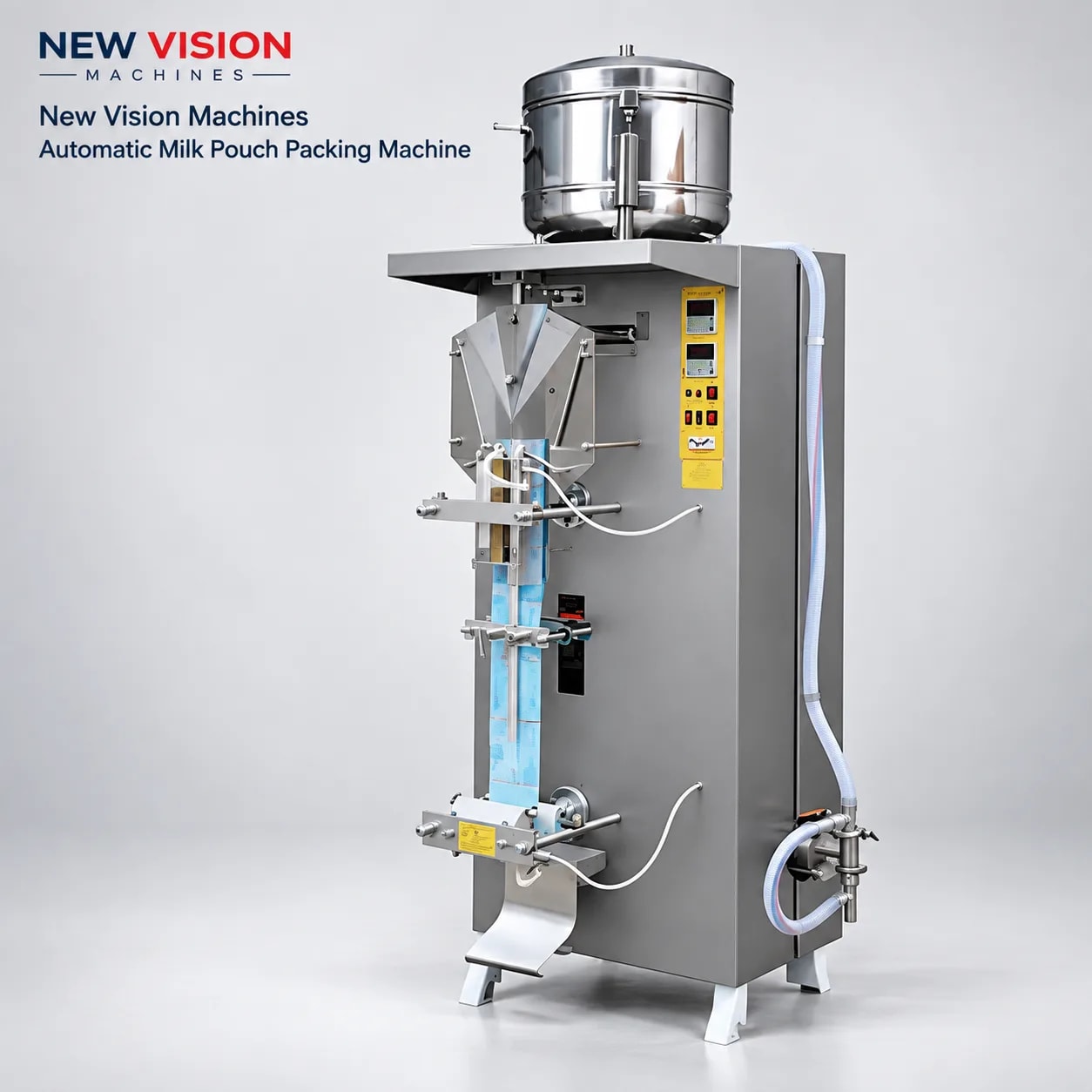
| milk pouch packing machine for dairies | Center-seal pillow pouch | 1,000–1,200 pouches/hour | Rs 3,69,000 |
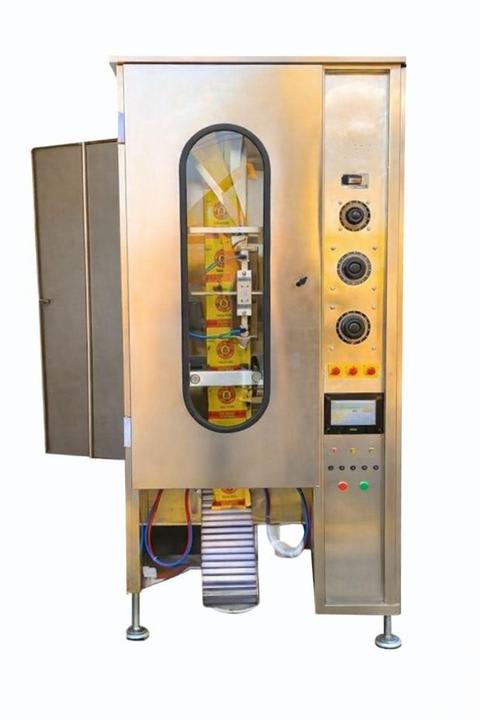
| edible oil pouch packing machine | Pillow pouch (200 ml–1 litre) | 900–1,200 pouches/hour | Rs 2,90,000 |
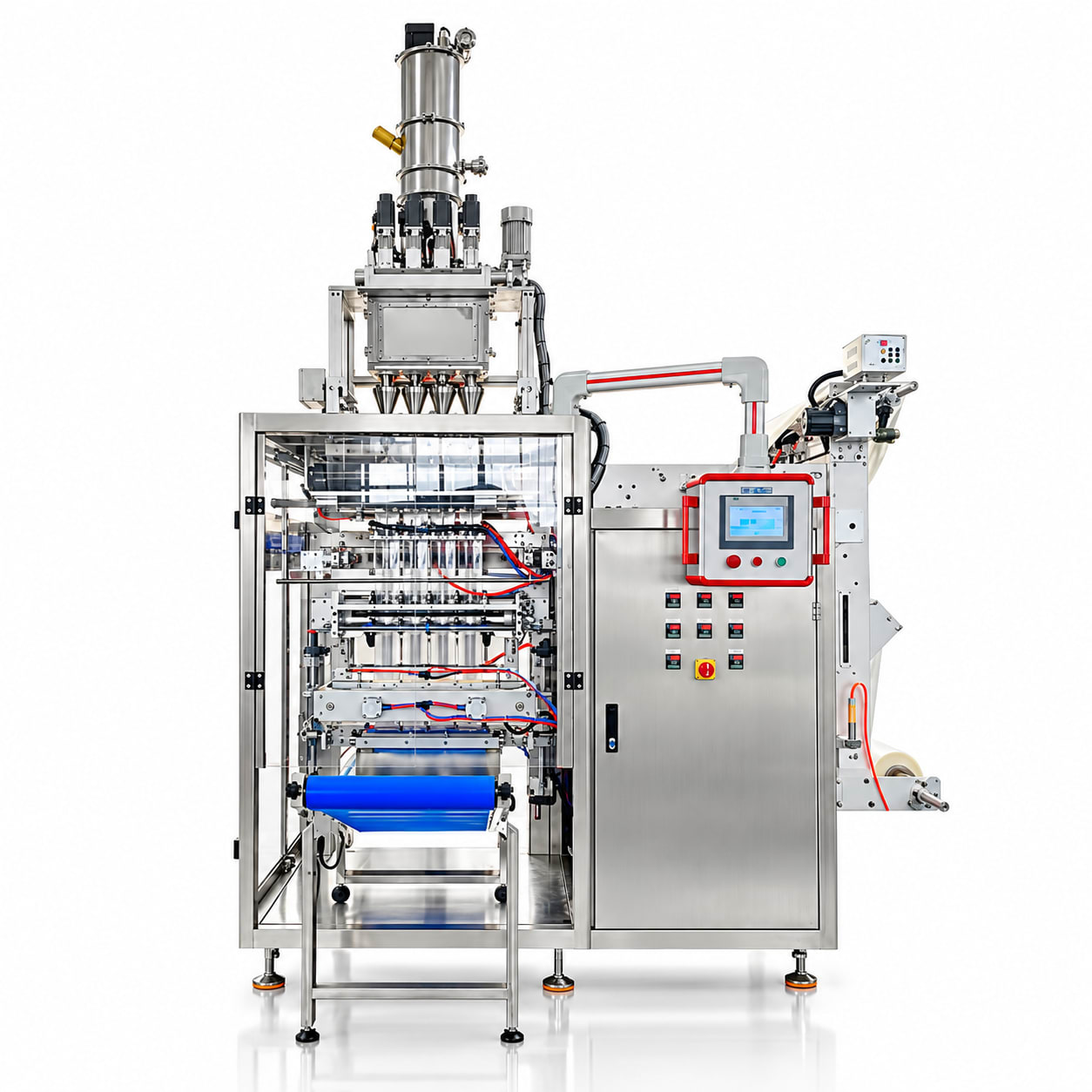
| multi-lane sachet packing machine | Four-side seal sachet (4–12 lanes) | 100–150 pouches/minute | Rs 19,00,000 |
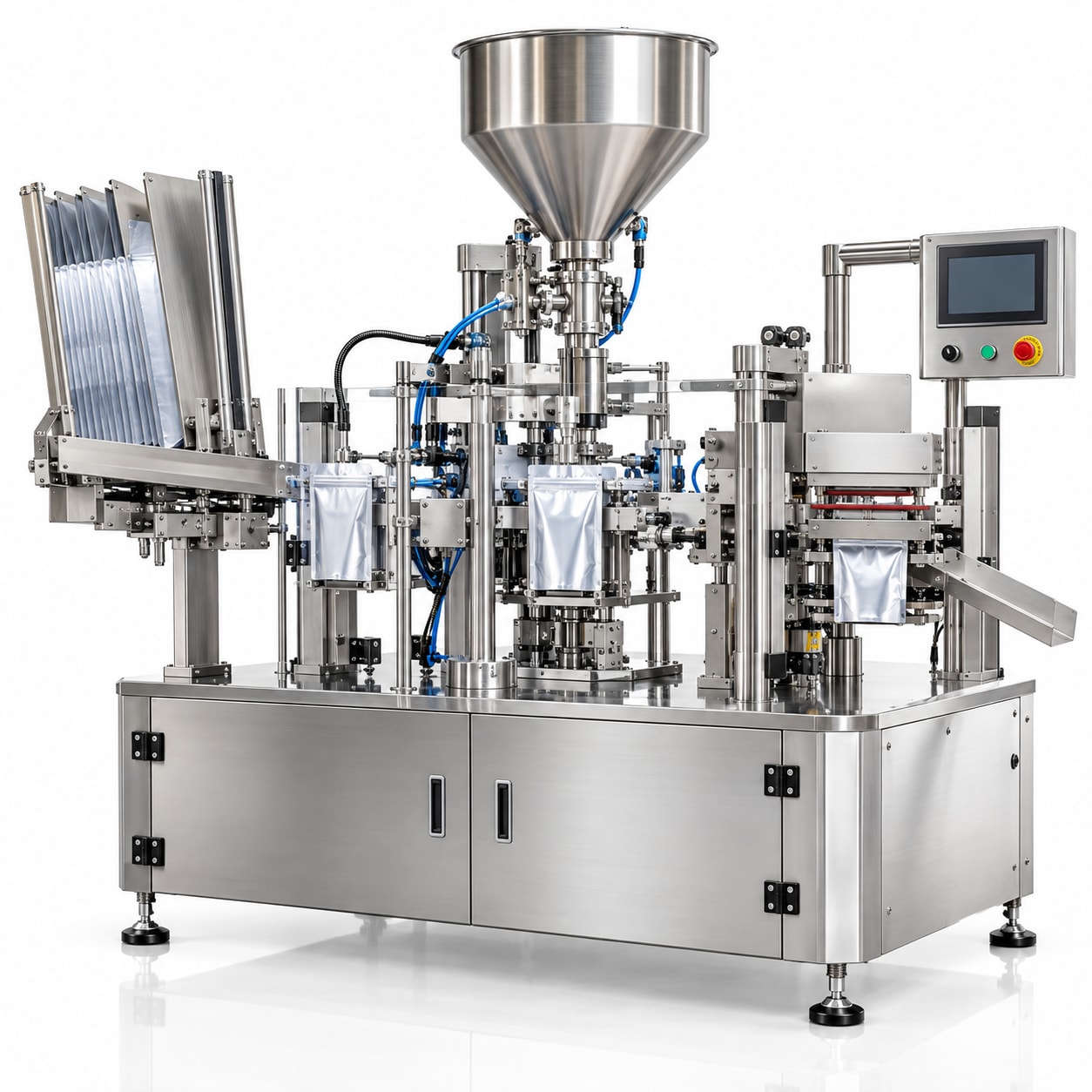
| premade pouch filling and sealing machine | Stand-up / Doypack | 10–20 pouches/minute | Rs 5,40,000 |
How to choose: VFFS vs premade vs multi-lane sachet
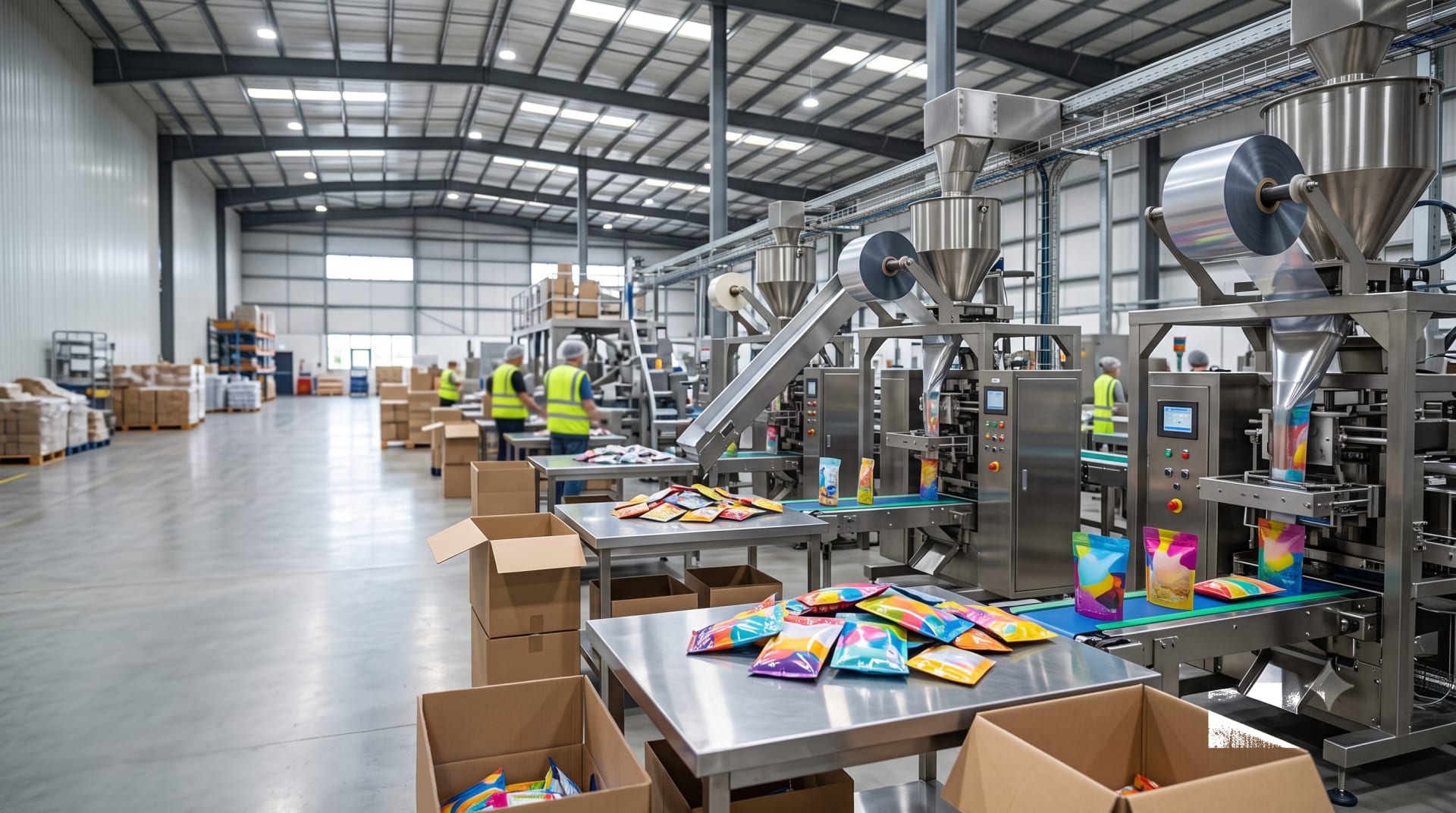
Vertical form-fill-seal (VFFS) systems form pouches directly from roll stock inline to keep packaging material costs low. Premade pouch machines step in when your brand requires stand-up Doypack pouches, and multi-lane systems handle high-volume sachet runs.
VFFS vs Premade vs Multi-Lane Sachet
A standard vertical form-fill-seal machine unwinds a single film reel, shapes it around a vertical forming collar, seals the seam, fills the dose, and cuts the pouch in a synchronized downward stroke. For high-volume liquids like dairy, edible oil, and treated water, VFFS delivers the lowest packaging material cost per unit. To evaluate specific jaw mechanics and sealing profiles, review our VFFS pouch packing buyer's guide. For dry and free-flowing products at higher throughputs, see our heavy-duty VFFS lines for granules and snacks.
Premade pouch filling and sealing machines take finished bags from a rotary or linear magazine, open them using vacuum suction cups, inject the product, and seal the top header. They are the right choice when your retail distribution demands stand-up Doypack presentation, zipper closures, or stiff multi-layer laminates that cannot bend cleanly over a forming shoulder inline.
Multi-lane sachet machines pull a wide web of film across multiple slitters to form, fill, and seal several narrow packets at once. You see them everywhere in shampoo, ketchup, and pharmaceutical packaging. When evaluating floor space, compare the multi-lane sachet packing machine price against the maintenance overhead of running multiple single-lane machines side by side.
Capacity Sizing
Never size your factory using the manufacturer's nameplate speed. Brochure ratings assume continuous motion: zero film reel splicing, zero hopper replenishment pauses, and flawless mechanical feed. Size your line using standard engineering math:
Daily Output = PPH x Operating Hours x 0.75 OEE
Take an automatic unit rated at 1,000 pouches per hour (PPH). Across an 8-hour shift at a realistic 75% Overall Equipment Effectiveness (OEE), it produces 6,000 pouches per day (1,000 x 8 x 0.75). Factoring in true OEE prevents under-sizing your line—a critical step when establishing packaged drinking water plant setup costs.
Pouch Size and Film Matching
Your packaging machine must match the thermal and tensile behavior of your film. Single-layer virgin low-density polyethylene (LDPE) for milk and water pillow pouches requires constant-temperature or impulse heat-sealing jaws calibrated precisely to avoid burn-through pinholes along the vertical fin. Multi-layer barrier laminates (such as PET/met-PET/poly for edible oils and spices) demand higher jaw clamping force and broader heated faces to fuse the inner sealant layer without delamination.
Utilities: Compressor-Free vs Pneumatic
Pneumatics add ongoing power bills. Our automatic water pouch packing machine runs on a mechanical cam-driven mechanism without an air compressor. This eliminates both the capital cost of a compressor unit and the 2 to 3 HP electrical load needed to run it. By contrast, multi-lane sachet machines and premade pouch systems depend on pneumatic cylinders to power transfer grippers and vacuum suckers. These setups demand clean, dry compressed air at 5 to 6 bar, plus an isolated three-phase power drop on your factory floor.
What decides the pouch packing machine price in India
On our own list, pouch packing machine prices span Rs 1.7 lakh (1,000 PPH water pouch packer) to Rs 19 lakh (multi-lane sachet line at 100–150 pouches/minute). Five engineering factors drive where any machine lands: throughput, pouch geometry, web handling, automation grade, and contact metallurgy.
Speed rating sets the baseline cost. A 1,000-pouches-per-hour water pouch packer lists at Rs 1.7 lakh ex-works; step up to a 4–12 lane sachet line doing 6,000–9,000 pouches an hour and the list price is Rs 19 lakh — balanced drivetrains and rapid thermal jaw recovery cost real money. In the wider VFFS market (2026-10-09 research), 500 PPH mechanical units start near Rs 1.2 lakh and 2,000–3,000 PPH high-speed lines run Rs 2.5–2.8 lakh.
Pouch format dictates mechanical tooling complexity. A 1,000–1,200 PPH milk pillow-pouch machine lists at Rs 3.69 lakh; the premade stand-up line at 10–20 pouches/minute lists at Rs 5.4 lakh. Standard pillow pouches use a static vertical forming collar and reciprocating heat-seal jaws, while Doypack presentation needs a magazine feed, vacuum opening fingers, and rotary indexing — that extra hardware is what you pay for.
Film handling components influence both machine cost and long-term film scrap. Friction rollers work fine for plain, unprinted film. But registered printed rolls demand optical photocell sensors for accurate eye-mark tracking. Upgrading to motorized film unwind axles and dual-belt servo pull-downs adds initial cost, but it protects daily operating margins by eliminating pouch length drift.
Control systems separate low-cost machines from production-grade units. Solid-state relays and mechanical switches keep initial capital costs down, but they lack error diagnostics. Integrating a programmable logic controller (PLC), digital PID temperature controllers, and a touchscreen interface increases the pouch packing machine price in India, but it cuts changeover downtime and shields your line from operator timing errors.
Contact metallurgy and frame rigidity decide machine life. Industrial units use food-grade AISI 304 stainless steel across all liquid and powder contact surfaces, which is mandatory for food and dairy compliance. Beneath the covers, heavy-gauge mild steel base frames absorb vibration from reciprocating seal jaws, maintaining seal face alignment through multi-shift runs.