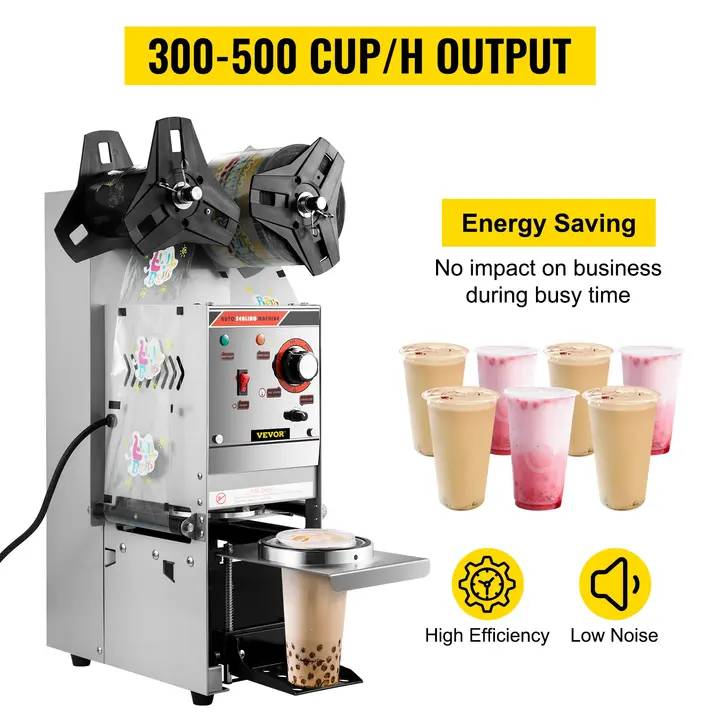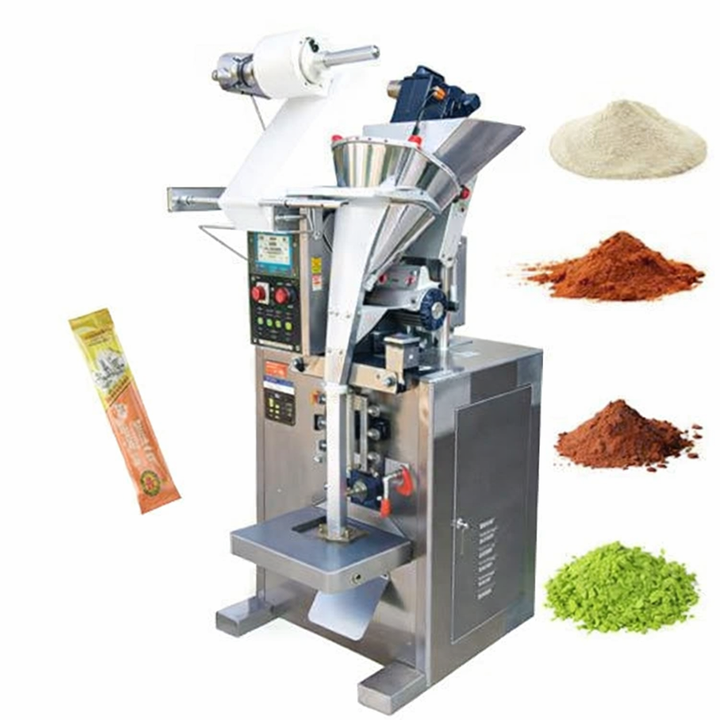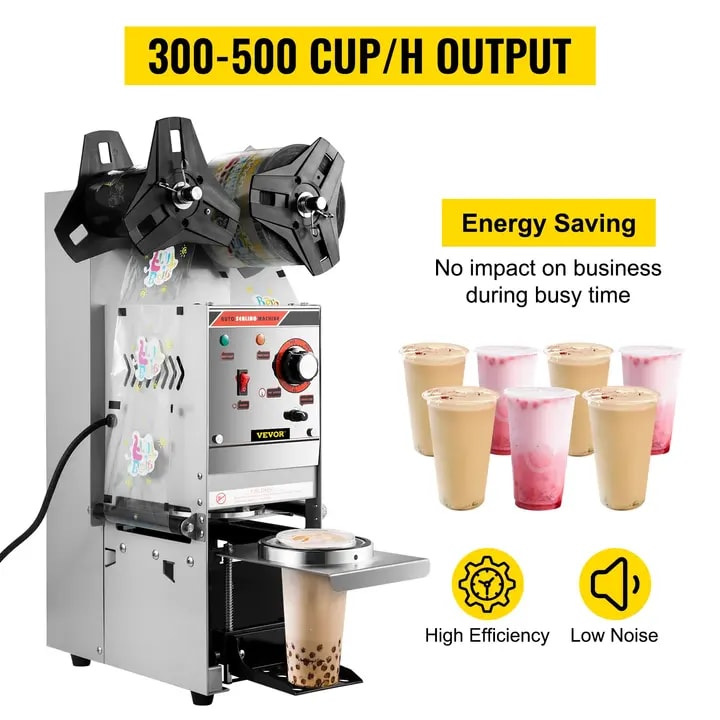
Takeaway beverages are booming across India, but leakage, spillage, and inconsistent sealing can quickly ruin customer experience and increase wastage. A Semi-Automatic Cup Sealing Machine (B9) is designed to deliver fast, neat, and leak-resistant sealing for plastic cups used in juice bars, lassi counters, dairy units, cloud kitchens, cafes, and quick-service outlets.
What is a Semi-Automatic Cup Sealing Machine (B9)?
The B9 is a compact table-top cup sealer that uses roll film to seal cups by applying controlled heat and pressure on the cup rim. Many B9 configurations come with a multi-cavity tray design (commonly used to seal multiple cups per cycle), helping shops increase hourly output without moving to a costly fully automatic line.
How a Cup Sealing Machine Works
Understanding the working principle helps buyers choose the right model and reduces sealing rejects.
- Cup placement: Filled cups are placed into the tray/holder, ensuring the rim is clean and dry.
- Film feeding: The sealing film roll advances to the sealing position.
- Heat + pressure sealing: A heated sealing head presses the film onto the cup rim, bonding the film layer to the cup.
- Film cutting: The machine cuts the film neatly around the rim for a clean finish.
- Output: The operator removes the sealed cups and loads the next set, keeping production continuous.
Best Uses in India (Where B9 Fits Perfectly)
A semi-automatic cup sealer is ideal for businesses that need consistent sealing quality with manageable investment.
- Juice & smoothie outlets: Orange juice, mixed fruit, sugarcane, shakes.
- Dairy & beverages: Lassi, buttermilk, flavored milk, curd/yogurt cups.
- Cafes & QSR: Cold coffee, chocolate drinks, iced tea, bubble tea.
- Desserts: Pudding, jelly, mousse, dessert cups.
Supported Cup Sizes and Film Types
Before buying, confirm your cup diameter and the film compatibility. Common B9 setups in India support 80 mm and 95 mm cup diameters using appropriate moulds/trays.
- Cup material: Typically PP/PET cups used in beverage and dairy packaging.
- Film type: Heat-seal roll film (printed or plain) compatible with your cup rim and product temperature.
- Branding advantage: Printed film creates a premium, tamper-evident seal and improves shelf appeal for retail counters.
Output Capacity: What to Expect in Real Operations
Many buyers choose the B9 because it can deliver a practical production rate for busy counters. In typical usage, B9-type semi-automatic machines are used for high-throughput sealing suitable for daily sales and small batch production, especially when the operator workflow is smooth (filling station + sealing station + dispatch).
How to Operate the B9 (Practical Setup Steps)
Use this operator-friendly method to get strong seals with fewer rejects.
- Step 1: Place the machine on a stable counter with proper ventilation and a dedicated power point.
- Step 2: Fit the film roll correctly and align the film tracking so the printed mark (if any) stays centered.
- Step 3: Preheat the machine and set sealing temperature based on film type and cup material.
- Step 4: Fill cups leaving safe headspace; wipe rim clean to avoid micro-leaks.
- Step 5: Place cups into the tray, run sealing cycle, and visually inspect the first few seals.
- Step 6: Do a quick leak-check by gentle squeeze/tilt before starting bulk production.
Common Sealing Problems (And How to Fix Them)
Most sealing issues are solvable with correct temperature, clean rims, and proper film alignment.
- Leakage at the rim: Increase temperature slightly, ensure rim is dry/clean, and confirm correct cup diameter mould.
- Wrinkled film: Re-align film roll, check film tension, and ensure cups are seated properly in the tray.
- Film not cutting cleanly: Inspect cutter condition and confirm the film is feeding smoothly without skew.
- Burn marks or deformation: Reduce temperature and check if film layer is suitable for your cup material.
Buying Guide: How to Choose the Right B9 Cup Sealer
If you are comparing sellers and models, use this checklist to avoid wrong selection.
- Your cup diameter: Confirm 80 mm / 95 mm or your exact requirement, and ensure mould availability.
- Single vs multi-cavity: Multi-cavity trays increase output and reduce operator fatigue in peak hours.
- Power & heating stability: Stable heating improves seal consistency during long runs.
- Film availability: Ensure your preferred film size and printed film supply is easily available locally.
- Service support: Choose a supplier who can guide settings for your specific cup + film combination.
Why New Vision Machines for Cup Sealing?
New Vision Machines focuses on reliable, shop-floor-friendly sealing machines for Indian operating conditions. The B9 semi-automatic cup sealing machine is a strong fit for businesses that want faster service, improved hygiene, and a clean tamper-evident seal that customers trust.