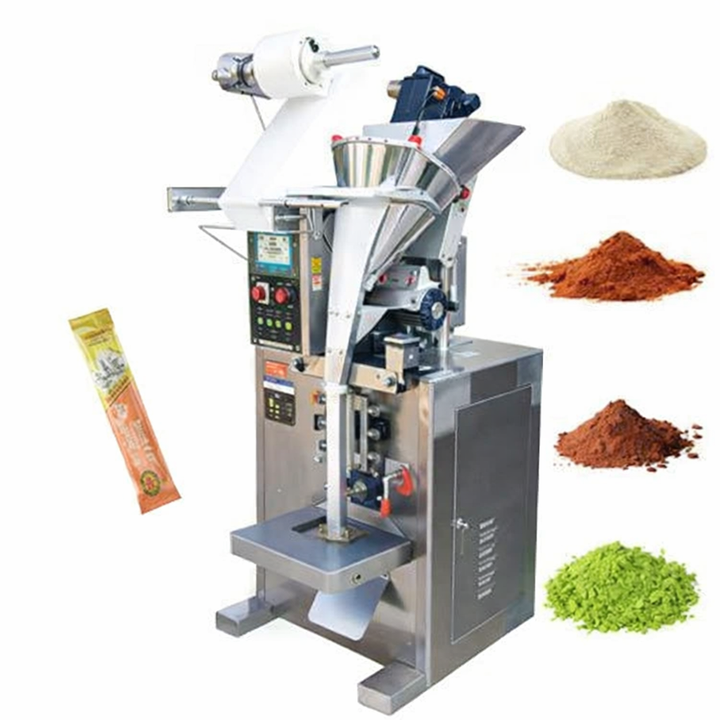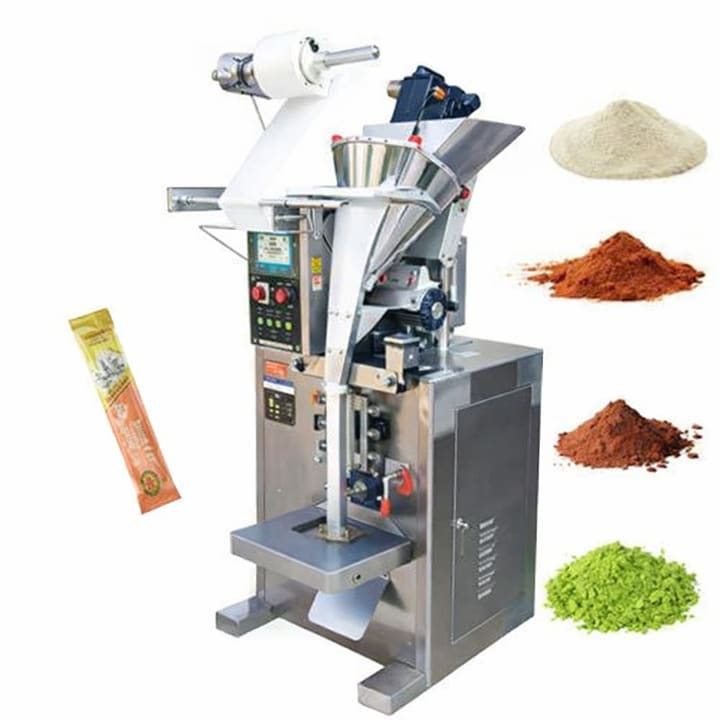
If you pack wheat flour (atta) or maida at scale, packaging speed and seal quality directly impact dispatch timelines, leakage complaints, and brand trust. A high-speed atta/maida packing machine rated around 2500 pouches per hour is typically chosen by flour mills, chakki atta brands, and contract packers that need consistent output with controlled weight and clean sealing.
Why high-speed packaging matters for atta & maida
Atta and maida are fine powders that can cause dusting, inconsistent flow, and sealing issues if the wrong filler and sealing system is used. A high-speed pouch packing machine reduces manual handling, improves weight consistency, and helps maintain a professional retail-ready pack finish.
- Higher daily dispatch capacity: Suitable for businesses targeting distributor networks and modern trade where order sizes are large and deadlines are strict.
- Cleaner packing environment: Better-designed powder filling reduces spillage and rework.
- Lower leakage and returns: Stable heat sealing and controlled jaw pressure reduce micro-leaks, especially in laminated films.
- Better shelf appearance: Uniform pouches improve brand presentation on kirana shelves and supermarkets.
What is a 2500 PPH atta/maida packing machine?
A 2500 PPH machine is a pouch packing system engineered to produce roughly 2500 finished pouches per hour under practical operating conditions, depending on pouch size, film type, and product flow. Many Indian flour packers prefer collar type pouch forming with powder filling because it can run consistently with common packaging films and typical flour textures.
In many market-ready configurations for atta/maida, the machine is used for medium to large packs and is commonly offered for ranges such as 2 kg to 10 kg, depending on the forming set and filling system.
How an atta/maida packing machine works (step-by-step)
Most high-speed flour pouch packers follow a form-fill-seal workflow. Here is the simplified working cycle that buyers should understand before finalizing a machine.
- Film unwinding: Packaging film roll is mounted and guided through tension control so the film feeds smoothly.
- Pouch forming (collar system): Film passes through a forming collar and turns into a tube, creating the pouch shape.
- Longitudinal sealing: The machine seals the vertical line (back seal or center seal depending on design).
- Accurate powder dosing: The filler dispenses the correct weight of atta/maida into the formed pouch. For flour, auger-based or suitable powder dosing is commonly selected based on flow and dust behavior.
- Top sealing: Horizontal jaws seal the top and bottom ends of consecutive pouches.
- Cutting and discharge: Pouches are cut and delivered for onward handling (conveyor, checkweigher, metal detector, or secondary packing).
Which packing machine is best for atta & maida?
The best machine depends on your pack size, product behavior, and required automation level. Many buyers start with “PPH” as the main metric, but long-term performance depends on the full configuration.
1) Collar type pouch packing (common choice)
Collar type pouch packing is widely used for flour because it supports stable pouch formation and reliable sealing with commonly available films. It is ideal when you want a consistent pillow pouch style pack at high speed with repeatable sealing quality.
2) Filler selection: what actually controls accuracy and stability
For atta and maida, the filler must handle fine powder without frequent choking, bridging, or dust blowback. Key considerations:
- Powder flow behavior: Maida is usually finer and can be more prone to dusting; atta can vary by grind and moisture.
- Target weight range: A machine optimized for 2 kg to 10 kg packs needs a different dosing approach than a 100 g to 1 kg line.
- Hygiene and cleaning: Easy-access hopper and contact parts help reduce changeover downtime.
Key specifications Indian buyers should check before purchase
When comparing high-speed atta/maida packing machines, use this checklist during quotation and factory visit. It helps avoid the most common issues seen after installation (speed drop, sealing defects, and dusty operation).
- Declared output vs real output: Ask for demo with your pack size, your film, and your flour texture.
- Pouch range and forming sets: Confirm the exact pouch width/length range and whether extra collars/formers are needed for multiple SKUs.
- Sealing performance: Check seal width, jaw temperature stability, and sealing pressure consistency for laminated film.
- Dust control provisions: Powder packing runs better with a clean sealing zone and minimal flour deposition around jaws.
- Machine construction: Ensure food contact parts are food-grade and corrosion-resistant; flour packaging benefits from smooth, easy-to-clean surfaces.
- Utilities required: Confirm power supply, compressed air requirement (if pneumatic functions are used), and space/layout.
- Date coding support: Ensure provisions for batch/lot coding, MRP printing, and manufacturing/expiry marking as per your market format.
- Safety and operator controls: Emergency stop, guard interlocks, and user-friendly controls reduce operator errors.
PPH vs pouch size: how to estimate practical output
2500 pouches per hour is achievable when product feeding, sealing stability, and film quality are consistent. In real plants, output depends on:
- Pack weight: Heavier packs generally reduce max speed due to dosing and settling time.
- Film type and thickness: Some laminates need stable temperature control to prevent weak seals or film burn.
- Flour characteristics: Moisture variation and particle size changes can influence filling consistency and dusting.
- Operator practices: Incorrect film loading and poor cleaning routines can reduce speed quickly.
Price of high-speed atta/maida packing machine in India: what affects it?
In India, the final price varies significantly by configuration and automation scope. Instead of comparing only base prices, compare the machine as a complete production solution.
- Automation level: Semi-automatic vs more automated systems (feeding, discharge conveyor, coding integration).
- Filler technology and accuracy: Higher accuracy and better powder handling usually increases cost but reduces giveaway and complaints.
- Build quality and hygiene design: Better finish, stronger frame, and food-grade contact parts improve longevity and ease of cleaning.
- Optional integrations: Metal detector, checkweigher, nitrogen flushing, pouch counting, and secondary packing increase project cost.
- After-sales and spares: Reliable service support, spares availability, and commissioning/training affect total cost of ownership.
For budgeting, it is recommended to request a quote based on your exact pouch size, film type, target output, and whether you pack 2 kg, 5 kg, 10 kg, or multiple SKUs on the same line.
Installation and layout tips for flour packing lines
Many packing machines perform well in demos but underperform after installation because the surrounding line is not designed for powder handling. Plan the full packing area like a production system.
- Stable feeding: Ensure consistent product feed to the filler to avoid speed fluctuations and underweight/overweight cycles.
- Clean environment: Flour dust control improves sealing quality and reduces maintenance.
- Right conveyors: Use proper discharge and take-away conveyors to prevent pouch pile-up and seal deformation.
- Quality checkpoints: Consider checkweighing and sealing integrity checks to reduce market complaints.
Maintenance practices that keep high speed stable
High-speed machines need routine care to maintain output and pouch quality. A simple daily and weekly routine reduces downtime and avoids recurring sealing defects.
- Daily cleaning: Clean the sealing area, film path, and powder spill zones to prevent burnt seals and film tracking issues.
- Check heaters and temperature stability: Unstable temperatures cause weak seals or wrinkling.
- Inspect jaws and teflon: Worn sealing surfaces are a major reason for leakage and inconsistent seals.
- Pneumatic checks (if applicable): Drain moisture from air lines and ensure stable pressure for repeatable operations.
- Preventive spares: Keep critical items like sealing elements, sensors, belts, and consumables ready to avoid long stoppages.
Common buyer mistakes (and how to avoid them)
- Buying only by “speed” claim: Always validate speed with your own product and your packaging film.
- Ignoring pack size roadmap: If you plan to launch 2 kg today and 5 kg tomorrow, confirm changeover needs upfront.
- No clarity on accuracy and giveaway: Small weight variations create large monthly losses at scale; discuss accuracy expectations during finalization.
- Skipping operator training: Many issues are operational, not mechanical; insist on commissioning and training.
Who should buy a 2500 PPH atta/maida pouch packing machine?
This category is typically suitable for:
- Flour mills and atta brands scaling distribution across cities and districts.
- Chakki atta manufacturers upgrading from manual/semi-manual packing.
- Contract packers handling multiple brands and needing stable, repeatable output.
- Food businesses packing allied powders like sooji, besan, and similar fine powder mixes (subject to configuration).
FAQs
What pouch sizes can be packed on a high-speed atta/maida machine?
Pouch size support depends on the forming set and filler configuration. Many high-speed setups in this category are commonly configured for medium-to-large packs such as 2 kg to 10 kg, while smaller packs may require different tooling and dosing tuning.
Is collar type packing suitable for maida?
Yes, collar type form-fill-seal is commonly used for maida, but best results depend on selecting the right dosing system, dust control approach, and sealing setup for your film.
How to choose between semi-automatic and more automatic packing?
If you want faster scaling and fewer manual touchpoints, choose higher automation with conveyors and coding integration. If budget is tighter and manpower is available, a semi-automatic configuration can still deliver high output when properly operated.
Explore New Vision Machines: High-Speed Atta & Maida Packing Machine (2500 PPH)
If your goal is to increase dispatch capacity, improve seal quality, and run consistent 2 kg to 10 kg flour packs, New Vision Machines offers a high-speed atta/maida packing solution designed for industrial use. For the fastest quotation, share your target pouch size, film type, and desired output so the machine configuration can be matched to your production reality.