10kg Automatic Auger Powder Packing Machine: The Complete Guide for Indian Manufacturers
If you are a manufacturer of Atta (flour), Besan, Spices (Masala), or Wall Putty in India, you know the struggle of manual packaging. Weighing 10kg bags manually is slow, labor-intensive, and often leads to weight errors. A few extra grams in every pack can cost you lakhs over a year.
This is where the Automatic Auger Powder Packing Machine (10kg capacity) changes the game. It is not just a machine; it is an automation partner that ensures every single packet weighs exactly what it should, sealed perfectly for the market.
In this guide, we will break down everything you need to know before buying a heavy-duty powder packing machine in India—from how it works to how to choose the right one for your factory.
What is an Automatic Auger Powder Packing Machine?
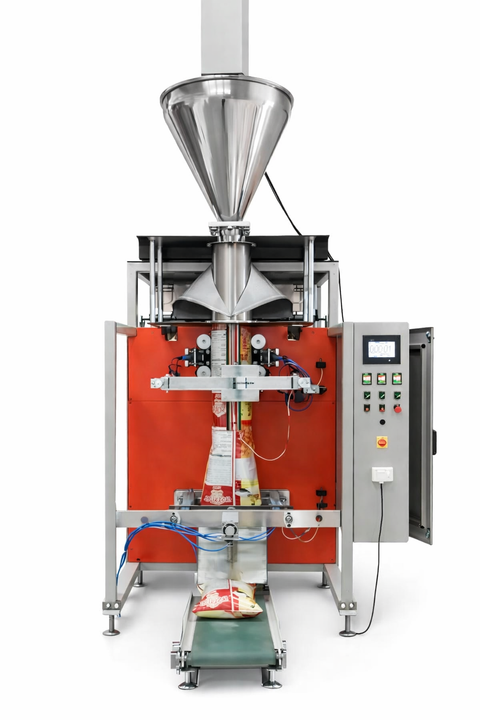
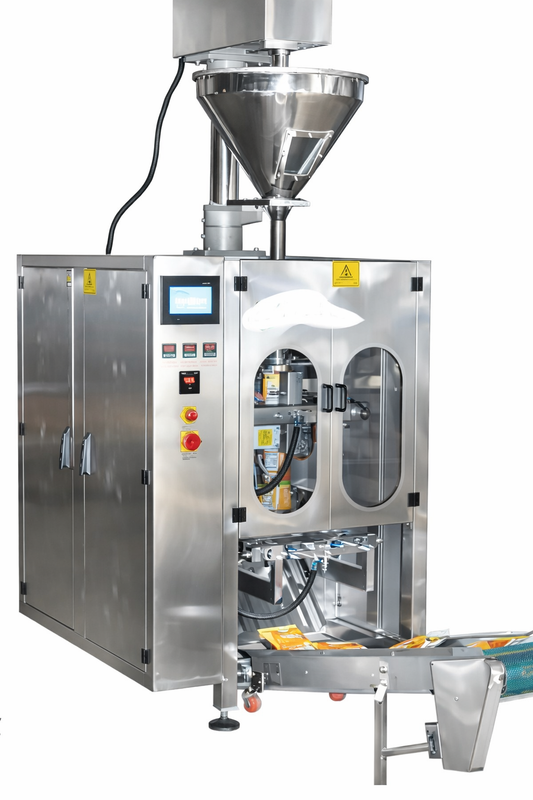
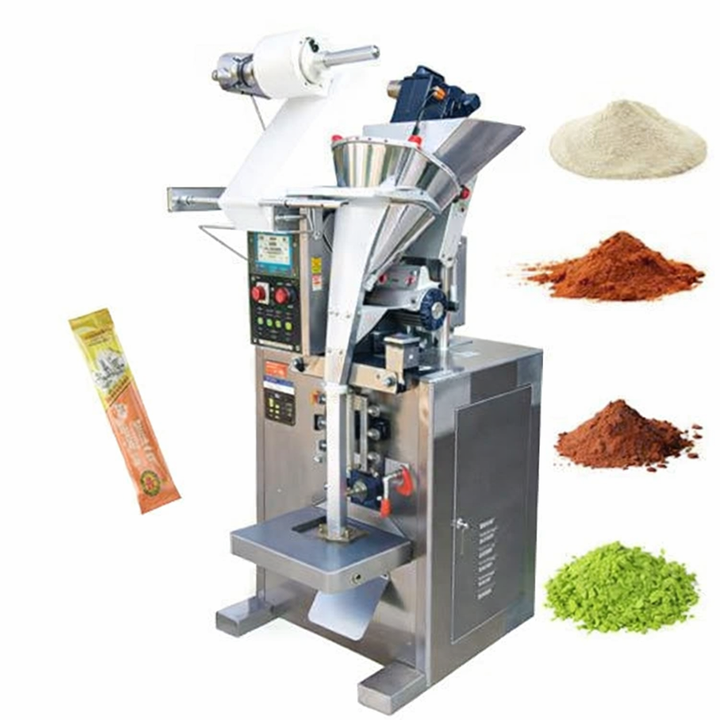
An Auger Powder Packing Machine is a specialized industrial equipment designed to fill and seal powdery substances into pouches or bags. The word "Auger" refers to the mechanism used: a rotating screw (auger screw) that pushes the powder into the packet.
Unlike cup-filler machines that measure by volume (which can be inaccurate for powders that clump), an auger filler measures by the rotation of the screw. This makes it the most accurate method for packing fine and sticky powders.
For a 10kg capacity, these machines are built heavier and stronger. They use a "Collar Type" system to form large bags from a laminate roll, fill them with 10kg of product, and seal them tightly—all automatically.
How Does It Work? (Simple Explanation)
Understanding the mechanism helps you operate the machine better. Here is the step-by-step process:
- Step 1: Feeding. You load your bulk powder (e.g., Wheat Flour) into the main hopper. A screw conveyor often automates this lift.
- Step 2: Pouch Forming. The machine pulls the plastic laminate roll over a "forming collar," turning the flat plastic into a tube shape.
- Step 3: Auger Dosing. This is the heart of the machine. The servo-driven auger screw rotates inside the funnel. If the setting is for 10kg, the servo motor counts the precise number of rotations needed to push exactly 10kg of powder down.
- Step 4: Sealing & Cutting. Once filled, horizontal heated jaws clamp down to seal the top of the filled bag and the bottom of the next bag. A cutter separates the finished 10kg pack.
Why Indian Businesses Need a 10kg Auger Filler
In the Indian market, bulk packs (5kg and 10kg) are high-selling SKUs for families. Here is why upgrading to an automatic auger machine is a smart investment:
1. Superior Weight Accuracy
Manual weighing is prone to human error. An auger filler controlled by a Servo Motor provides exceptional accuracy. For a 10kg bag, high-quality machines can maintain an accuracy of +/- 10 to 20 grams. This prevents "giveaway" (giving extra product for free) and protects your profit margins.
2. Handles "Non-Free Flowing" Powders
Products like Besan, Turmeric (Haldi), and Milk Powder are "sticky" or non-free flowing. They don't pour like water; they clump. Auger screws force these powders down effectively, whereas gravity-based machines would get clogged.
3. Hygiene and Brand Value
Indian consumers today demand hygiene. A Fully Automatic machine ensures that once the powder is in the hopper, no human hand touches it until the customer opens the packet. The stainless steel (SS 304) body ensures no rust or contamination.
How to Choose the Right Machine?
Not all machines are the same. When speaking to a manufacturer in Ahmedabad, Faridabad, or anywhere in India, ask these critical questions:
1. Servo vs. Clutch Break
This is the most important technical choice.
Clutch Break: Older technology, cheaper, but less accurate and requires more maintenance.
Servo Motor: slightly expensive but highly accurate, low maintenance, and easy to control via a touchscreen. Recommendation: Always go for Servo for 10kg packs.
2. Hopper Capacity & Sensor
For 10kg packing, you need a large hopper. Ensure the machine has a level sensor that automatically triggers the screw conveyor to fetch more powder when the hopper gets low. This ensures continuous production.
3. Pouch Style
Do you want a simple "Pillow Bag" (center seal) or a "Gusseted Bag" (stands flat)? 10kg bags often look better with a gusset so they can stand on retail shelves. Ensure the machine supports the bag style you want.
Common Mistakes to Avoid
We have seen many business owners make these errors during purchase:
- Ignoring Ceiling Height: These machines are tall! A 10kg machine with a feeding elevator can be 10-12 feet high. Measure your factory ceiling before ordering.
- Wrong Laminate Material: Heavy bags need strong plastic. If your laminate is too thin, the machine will tear it during the "pulling" process. Consult your laminate supplier for "Heavy Duty" micron specifications.
- Forgetting the Air Compressor: These machines are pneumatic. They need a steady supply of compressed air to open/close sealing jaws. You will need to buy a separate air compressor unit.
Maintenance Tips for Long Life
To keep your machine running for 10+ years:
- Daily Cleaning: Powder dust solidifies if left overnight (especially with humidity). Clean the auger screw and forming collar daily.
- Greasing: The moving jaws operate at high pressure. Grease the mechanical joints weekly.
- Voltage Stabilizer: In many industrial areas in India, voltage fluctuation is common. A servo stabilizer is mandatory to protect the expensive PLC and Servo drives inside the machine.
Frequently Asked Questions (FAQs)
Q1. What is the price of a 10kg Automatic Auger Packing Machine in India?
Prices vary based on automation level. A semi-automatic machine (where you hold the bag) starts around ₹1.5 Lakhs. A fully automatic Collar Type machine typically ranges from ₹6 Lakhs to ₹12 Lakhs depending on the brand and servo quality.
Q2. Can I pack both 1kg and 10kg on the same machine?
Technically yes, but it is difficult. You would need to change the "Forming Chute" and the "Auger Screw" every time you switch sizes, which takes 30-45 minutes. It is usually better to have separate machines for small (1kg) and bulk (10kg) packs.
Q3. How much electricity does it consume?
A heavy-duty 10kg machine usually requires a 3-Phase connection. The load is typically between 3kW to 5kW, including the heaters and motors.
Q4. Is it suitable for rice or sugar?
No. Rice and sugar are granules. For them, a "Weigh Filler" or "Cup Filler" is better and cheaper. Auger machines are specifically best for powders.
Conclusion
Investing in a 10kg Automatic Auger Powder Packing Machine is a big step toward professionalizing your business. It reduces your dependency on labor and ensures your customers get a standardized, high-quality product every time. Focus on getting a Servo-based model and ensure you have the right factory height and power setup before installation.
Ready to automate? Start by listing your exact pouch sizes and powder density to get the best quote from suppliers.