A batch coding machine price in India depends on the coding technology, print speed, material being marked, duty cycle and level of automation. A hot ink roll coder costs ₹28,000–₹32,000, while TIJ, CIJ and UV laser systems fall into higher-cost categories depending on production requirements and marking technology.
Batch coding machine price in India: 2026 price ladder
| Technology | India price band | What drives the price | Best for |
|---|---|---|---|
| Hot ink roll coder | ₹28,000–₹32,000 | Print speed, substrate, duty cycle | Cartons and pouches |
| Handheld thermal inkjet (TIJ) | Higher than hot ink roll | Cartridge system, portability, print requirements | Low-volume date/MRP/expiry coding |
| Online TIJ | Higher than handheld TIJ | Production-line speed and automation | Production-line coding |
| CIJ | Higher price category | High-speed operation, non-porous substrates, fluid requirements | High-speed non-porous coding |
| UV laser | Highest upfront cost | Permanent marking and application requirements | Permanent marking |
These figures are technology-level guidance, not a universal quotation. The right machine depends on what you are printing, how quickly the line runs and how many hours the coder is expected to work.
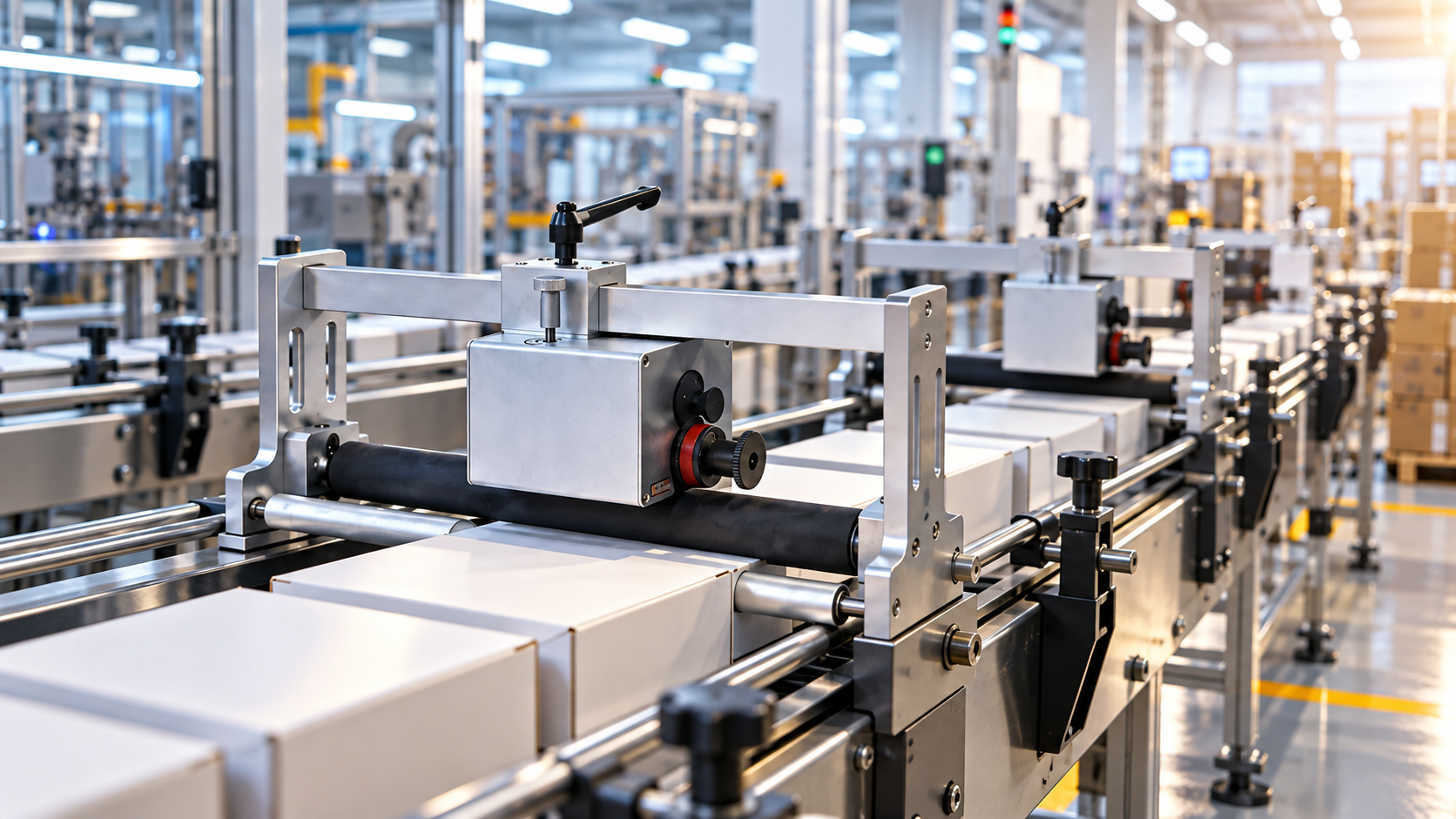
Hot ink roll coder: ₹28,000–₹32,000
For straightforward batch, date and similar coding on cartons and pouches, the hot ink roll coding machine price is ₹28,000–₹32,000 in India.
This is the cheapest workhorse among the technologies covered here. It makes sense when the job is simple and the factory does not need the flexibility or automation of an inkjet system.
For factories comparing the entry-level option, see the hot ink coder: the cheapest workhorse for cartons.
The price difference within this category comes down mainly to the substrate, required print speed and duty cycle. If production is moderate and the coding requirement is straightforward, there may be little reason to move to a more complex system.
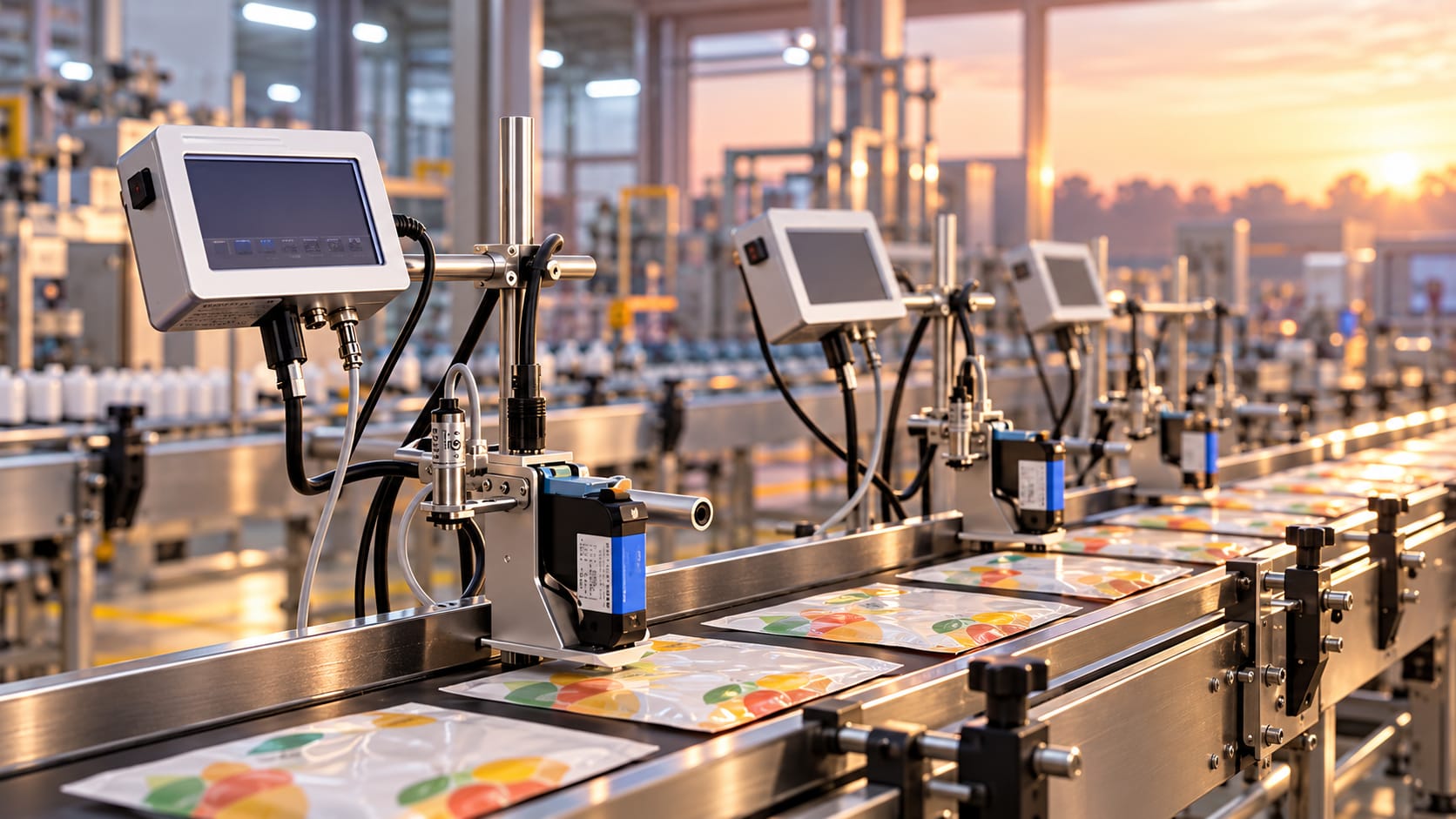
Handheld thermal inkjet (TIJ)
Handheld TIJ machines are portable, cartridge-based coders used for low-volume date, MRP and expiry printing. They are useful when products or packaging need to be coded away from a fixed coding station.
The handheld inkjet coding machine price depends on the application and printing requirements. Here, you are paying for portability and cartridge-based printing rather than a fixed coding setup.
For a purchase manager, the initial machine price is only one part of the calculation. Look at how frequently coding is required, how much product is printed in each batch and whether operators need to carry the coder between different production areas.
Online TIJ for production lines
Online TIJ brings thermal inkjet coding directly into a production-line setup. It is intended for higher-speed production than handheld use, so line speed and automation become important parts of the cost.
The inkjet coding machine price therefore depends on the production setup rather than one fixed figure. A factory with an automated line should assess the coding requirement alongside conveyor speed and the required duty cycle.
This matters when replacing manual coding with an integrated process. Higher automation has a cost, so it should be matched to an actual production requirement rather than added simply because the line can support it.
CIJ: higher-speed coding for non-porous products
CIJ, or continuous inkjet, is designed for high-speed coding on non-porous substrates. It falls into a higher price category than basic coding technologies because it is intended for continuous, high-speed production.
There is another operating consideration: CIJ requires solvent and makeup fluid. The purchase price is therefore only part of the cost discussion. A factory should also consider these fluid requirements when comparing technologies.
For plants where production speed and non-porous coding are the priority, CIJ can be a better fit than an entry-level coder.
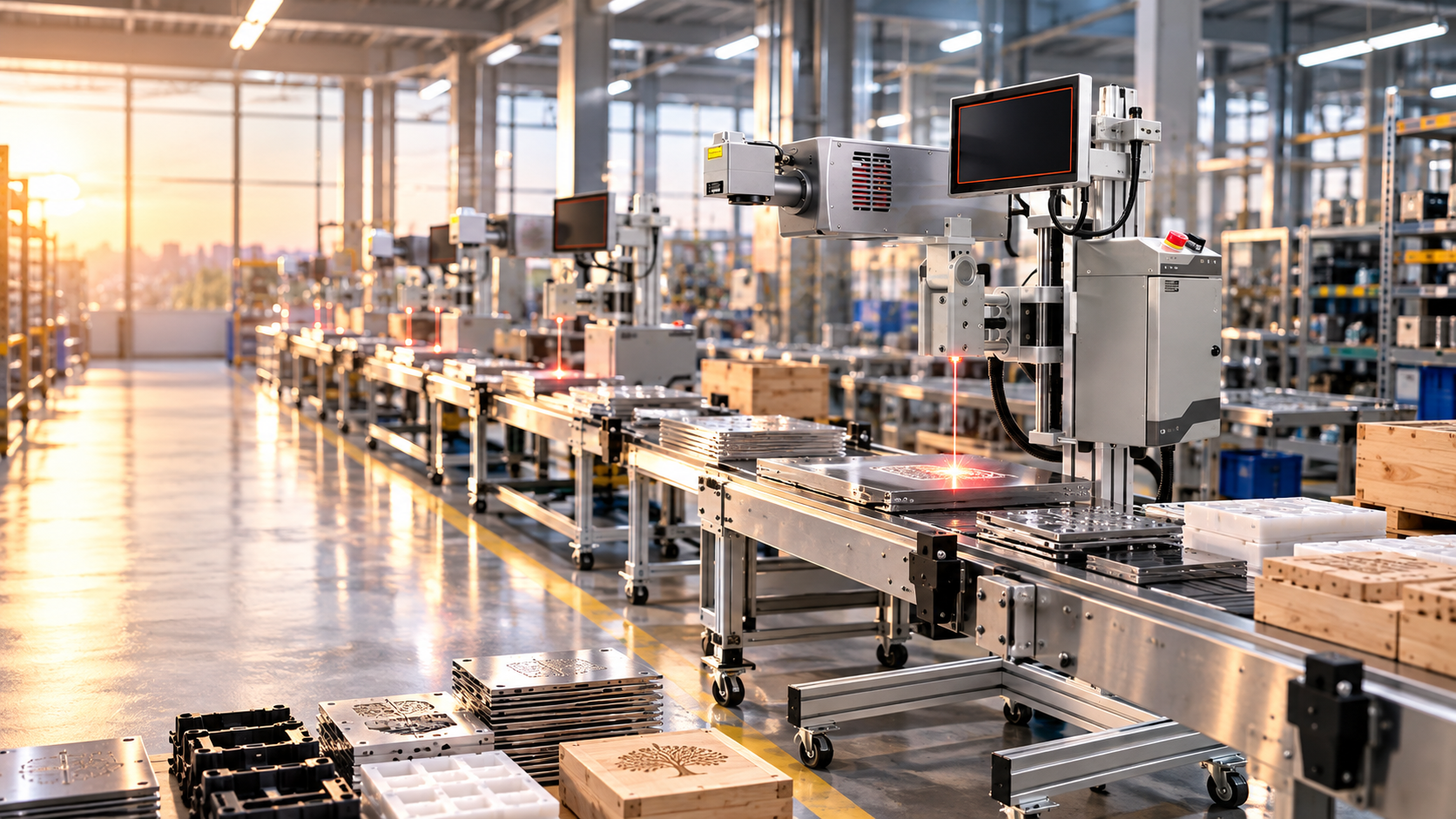
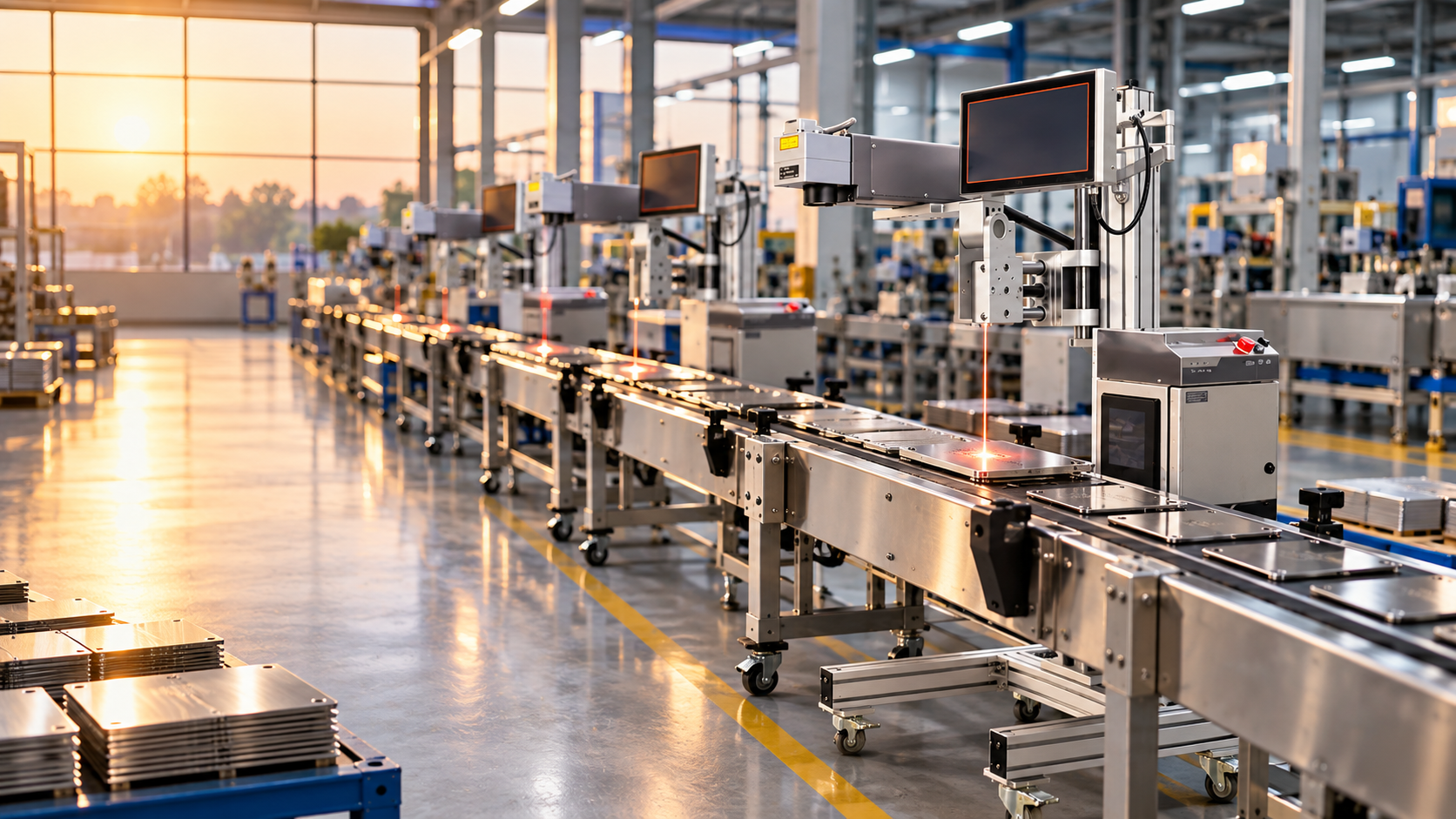
UV laser: permanent marking with no consumables
UV laser coding has the highest upfront cost among the technologies covered in this guide. Its main difference is simple: it provides permanent marking with zero consumables.
That makes it a different type of investment from an ink-based coding machine. Rather than looking only at the initial purchase price, buyers need to consider whether permanent marking and zero consumables justify the higher upfront investment for their production process.
What actually changes the machine price?
Four factors explain most of the price differences between coding technologies.
1. Print speed — A slow or moderate production process can work with basic coding equipment. Higher-speed requirements can push the application toward online TIJ or CIJ. 2. Substrate — Porous and non-porous materials can require different coding approaches. Establish the material being marked before comparing machine prices. 3. Duty cycle — A coder used occasionally has different requirements from one expected to operate continuously on a production line. 4. Automation level — A portable or manually operated machine serves a different purpose from an integrated production-line coder. Higher automation can increase the price, but it may be justified when coding is part of a continuous process.
If you want to compare the available technologies and applications, browse the full coding range.
How should an Indian factory compare coding machines?
Start with the application, not the machine category.
First identify the packaging material. Then establish the required print speed, production frequency and duty cycle. From there, decide whether the job actually requires portability, production-line integration, high-speed non-porous coding or permanent marking.
For a basic carton or pouch application, the ₹28,000–₹32,000 hot ink roll range is a practical starting point. Higher-speed or more specialised requirements may call for TIJ, CIJ or UV laser technology, depending on the production conditions.
If price isn't the only question, read the reliability comparison.
If the coding system is being planned as part of a larger pharmaceutical packaging setup, you can also price the coding stage of a complete pharma line.
FAQs
What is the batch coding machine price in India?
For a basic hot ink roll coder, the stated India price band is ₹28,000–₹32,000. Other technologies sit at different cost levels. Handheld and online TIJ are higher than hot ink roll, CIJ falls into a higher price category, and UV laser has the highest upfront cost among the technologies covered here.
What is the cheapest batch coding machine for cartons?
A hot ink roll coder is the cheapest workhorse in this guide for cartons and pouches, with an India price band of ₹28,000–₹32,000. It suits straightforward coding jobs where the factory does not need portable operation, production-line integration or the specialised marking capabilities offered by other technologies.
Is handheld TIJ suitable for low-volume production?
Yes. Handheld thermal inkjet machines are portable, cartridge-based coders intended for low-volume date, MRP and expiry printing. They work well when operators need to move the equipment between products or production areas instead of installing a fixed coder into a continuous production line.
When should a factory consider CIJ?
CIJ is designed for high-speed coding on non-porous substrates. It is suited to applications where production speed and continuous coding are important. Buyers should also account for its solvent and makeup fluid requirements, as these operating requirements are different from those of simpler coding technologies.
Why does the price of coding machines vary so much?
The main factors are print speed, substrate, duty cycle and automation level. A portable coder used occasionally has very different requirements from an automated system running continuously on a fast production line. The material being marked also affects which coding technology is appropriate.
Is UV laser more expensive than ink-based coding machines?
UV laser has the highest upfront cost among the technologies covered in this guide. Its key difference is permanent marking with zero consumables. Whether that initial investment makes sense depends on whether permanent marking and the absence of consumables are important to the factory's production requirements.
For an application-specific recommendation, share your packaging material, production speed and coding requirement with New Vision Machines. The appropriate technology can then be evaluated against the actual production process rather than price alone.