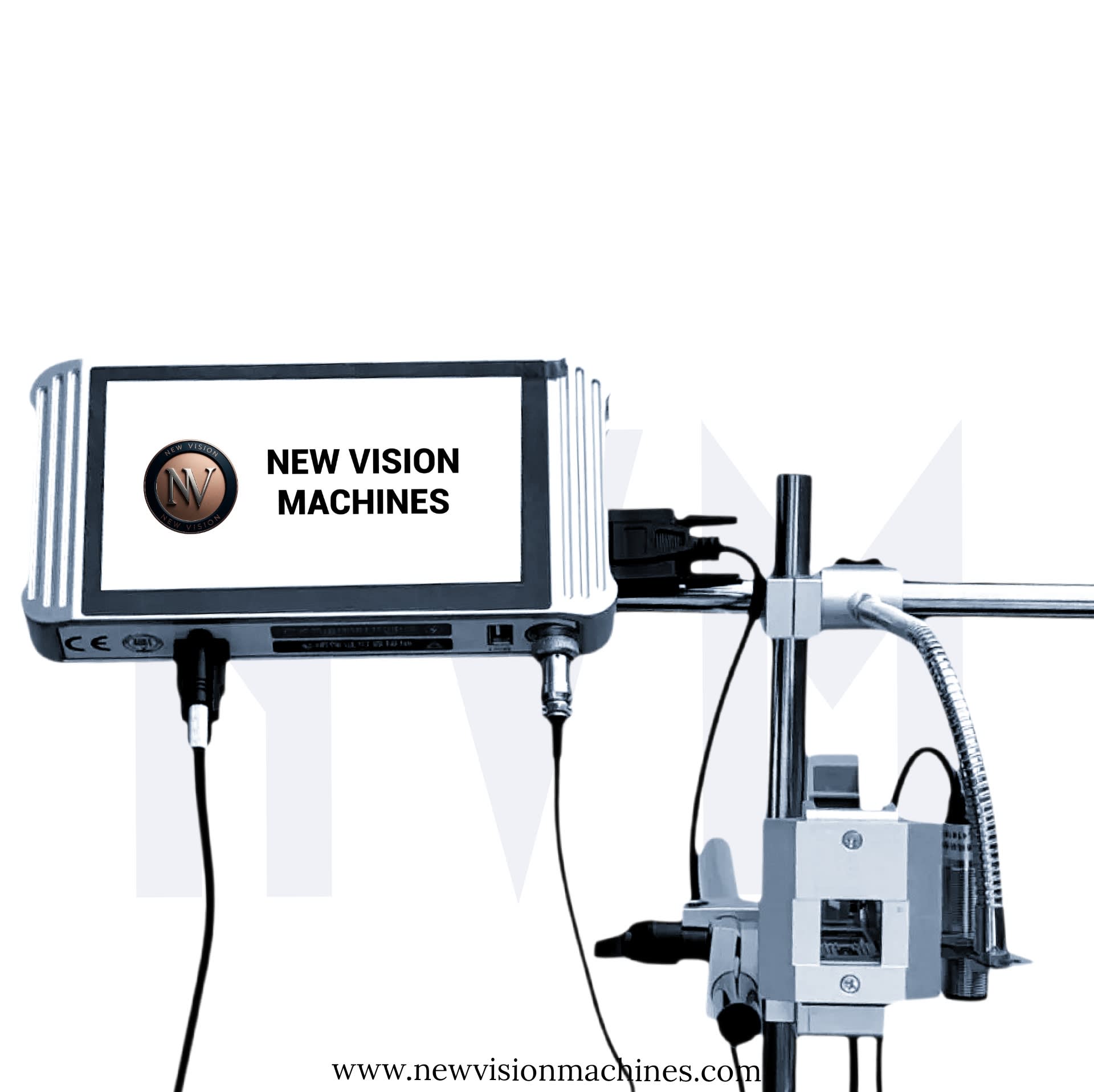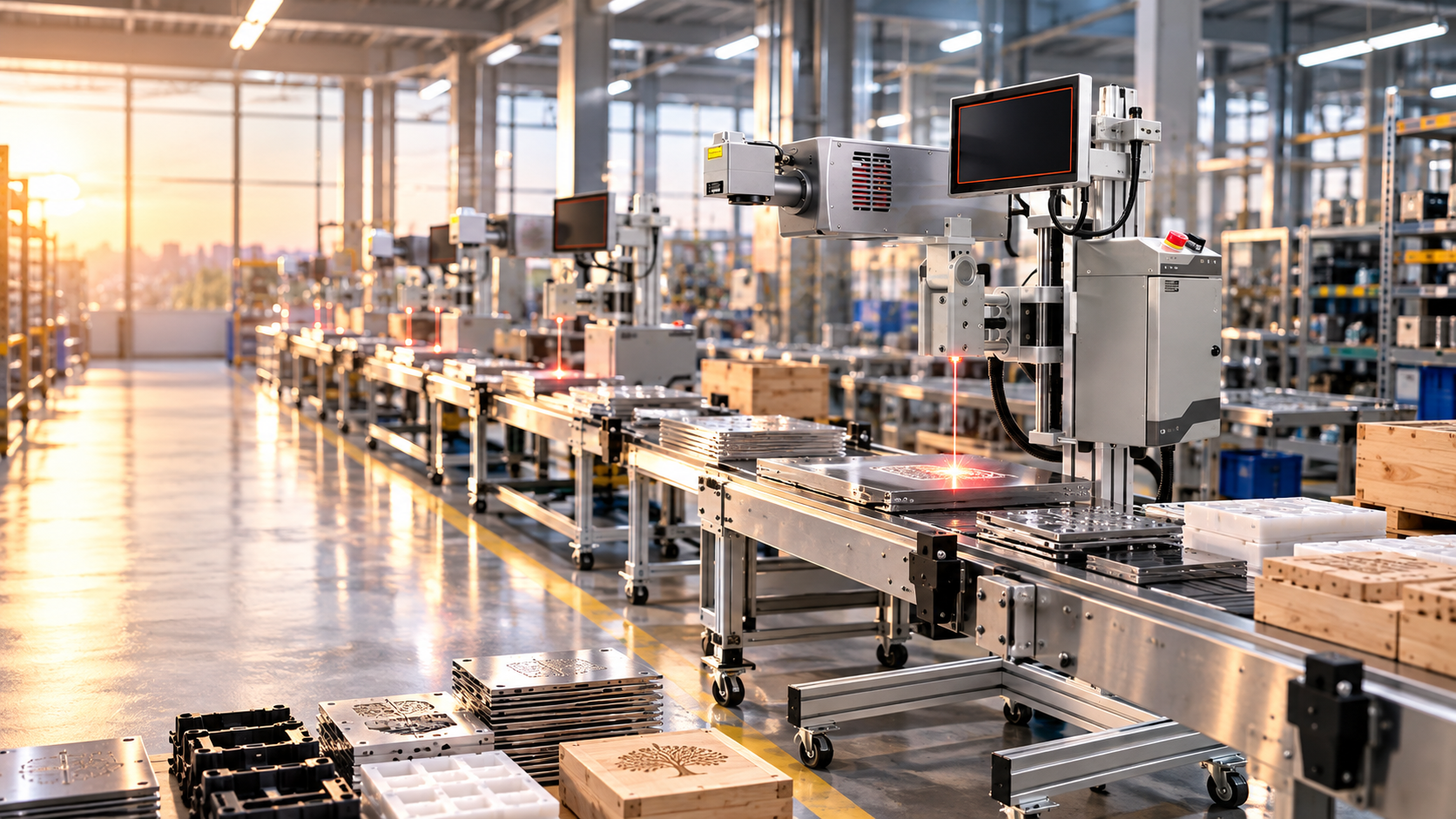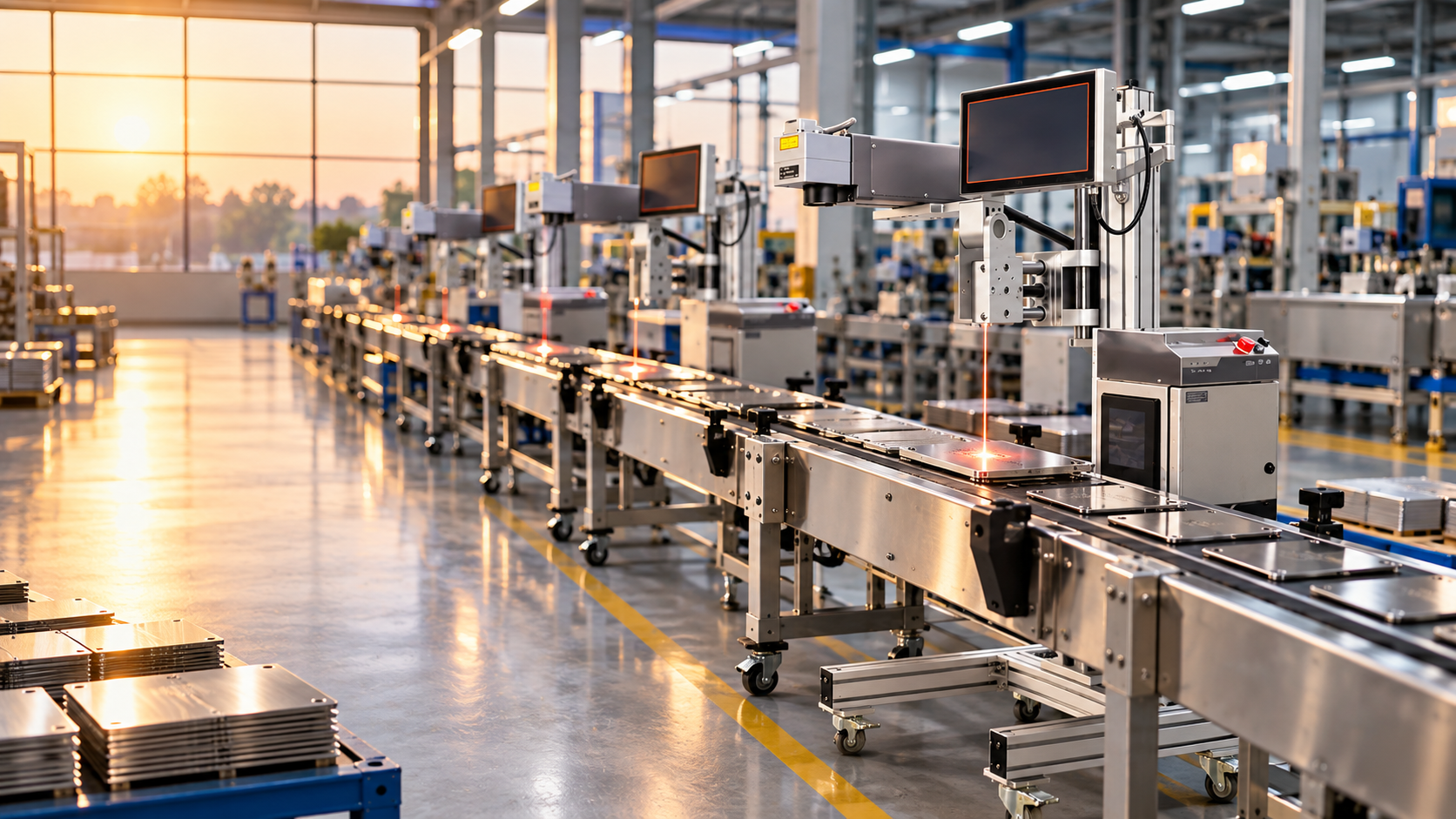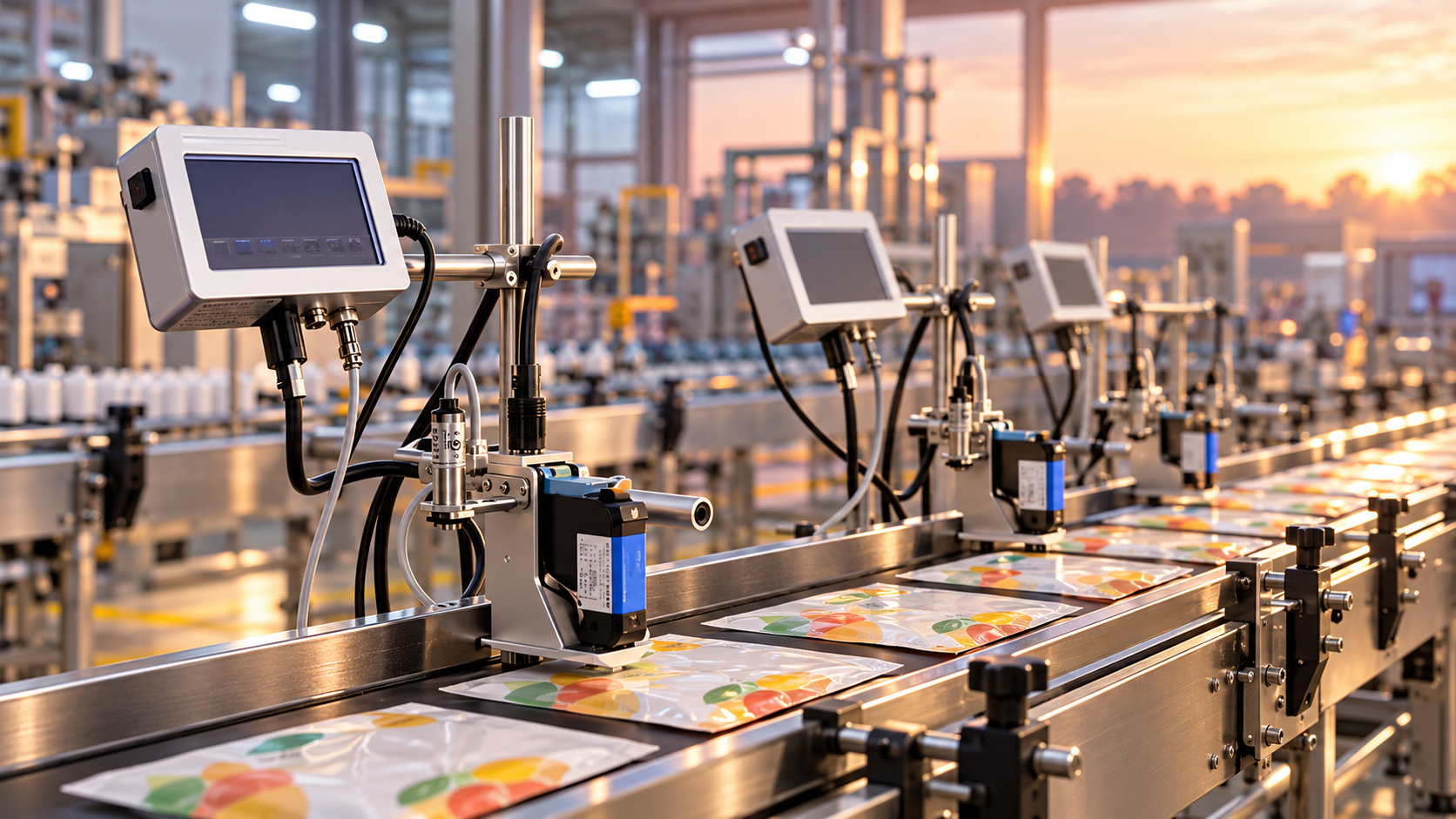
A batch coding machine prints the batch number, manufacturing date, MRP and expiry date on your packs at production speed. Under India's Legal Metrology (Packaged Commodities) Rules, most packed goods must carry these declarations — so this is a compliance purchase, not an optional upgrade. The reliability question buyers actually ask is simpler than it looks: every technology in this class is mechanically simple, and what fails first is almost always the printhead or the cartridge, never the machine body.
Which batch coding machine is most reliable?
Reliability depends on what you are printing on and how many shifts you run. Here is how the three realistic options compare for Indian factory conditions:
| Technology | What fails first | Day-to-day reality | Best for |
|---|---|---|---|
| Handheld thermal inkjet (TIJ) | The cartridge — it is a consumable, replaced by the operator in under a minute | No technician visits for print issues; keep a spare cartridge on the shelf | Small batches, cartons, warehouses, field packing |
| Online / industrial inkjet (TIJ or CIJ) | Printhead wear on CIJ; cartridges on TIJ | CIJ needs solvent top-ups and periodic maintenance cycles; TIJ online heads swap like handheld cartridges | Conveyor lines, continuous production |
| Laser marking | Optics dust and fume extraction filters | No ink or cartridges at all, but higher upfront cost and proper fume extraction are mandatory | High-volume lines, permanent marks on plastic/metal |
The honest rule: the fewer consumables, the fewer failure points — but every option needs its consumable or maintenance path secured before you buy. A machine whose cartridges are hard to source in India is unreliable no matter what the brochure claims.
How much does a batch coding machine cost in India?
Price bands from New Vision Machines' own current catalogue (ex-works, listed prices): handheld thermal-inkjet coders run roughly ₹14,000 to ₹85,000 depending on print height and cartridge quality; online and industrial inkjet units sit between about ₹63,000 and ₹1,99,000; and industrial continuous-inkjet (CIJ) systems with touchscreens go up to around ₹6 lakh for multi-nozzle configurations. Treat any quote far below these bands with suspicion — it usually means a missing GST invoice, no warranty, or a cartridge you will never find again.
Handheld vs online: which one fits your line?
Buy handheld if your packing happens in batches, across locations, or on cartons that never see a conveyor — warehouses, dispatch areas, and small food units live here. Buy online if product already moves on a conveyor and stopping the line to hand-code is costing you labour hours. The crossover point most buyers miss: an online printer on a slow conveyor beats a handheld on a fast line every time, because the mark quality on a moving product depends on the printhead staying at a fixed distance. If your line runs two shifts, price the machine on total cost per 10,000 prints (cartridge or solvent cost included), not on the sticker price.
What to check before you buy (vendor reliability checklist)
Run through these before paying an advance — they separate genuine suppliers from box-movers:
- Demo on your substrate, not theirs. Ink behaves differently on glossy laminate, HDPE, glass and metalised film. Send your actual pouch or carton and ask for a photo or video of the print.
- Cartridge and spare availability in writing. Ask for the cartridge price, expected prints per cartridge, and delivery time for spares. If the seller cannot quote a cartridge price, walk away.
- GST invoice and warranty terms. A proper tax invoice and a written warranty (typically one year) are the minimum; confirm who services the machine in your city.
- Print height and resolution for your MRP block. A 12.7 mm head prints one line; taller MRP blocks need 25.4 mm or multi-head setups. Match the head to your legal declaration size.
- Check the seller's response record. On marketplaces, look at response rate and review count, not just the star rating — a 4.3-star seller with 200 reviews and a 90%+ response rate is a safer bet than a 5-star listing with three reviews.
Get these five answers in writing and the reliability question largely answers itself.