What is a High Speed Batch Coding Machine?
Definition and Core Purpose
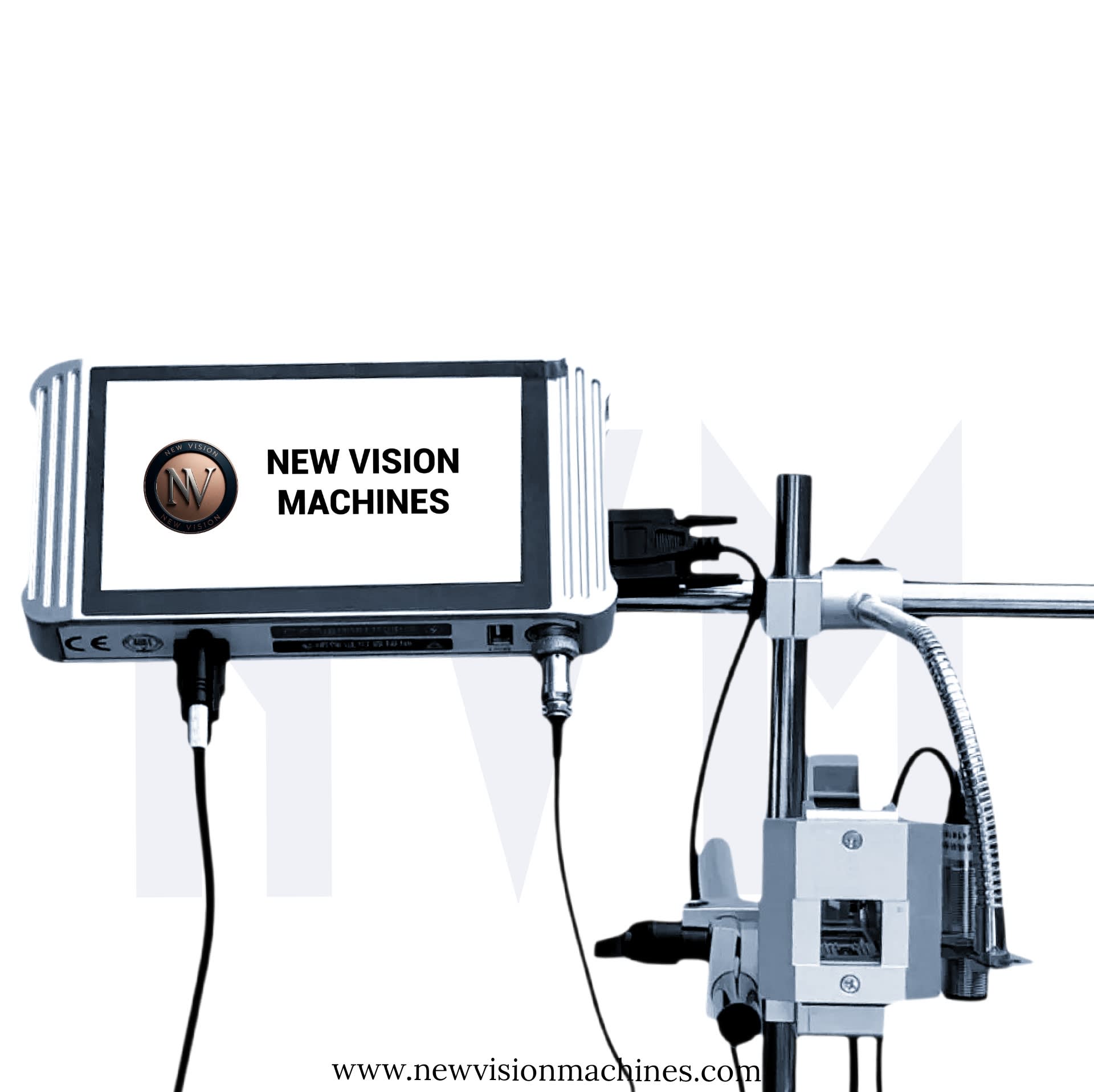
A high speed batch coding machine is not just another piece of industrial equipment—it’s the silent backbone of modern manufacturing. Every time you see an expiry date on a snack packet or a batch number on a medicine strip, you're looking at its output.
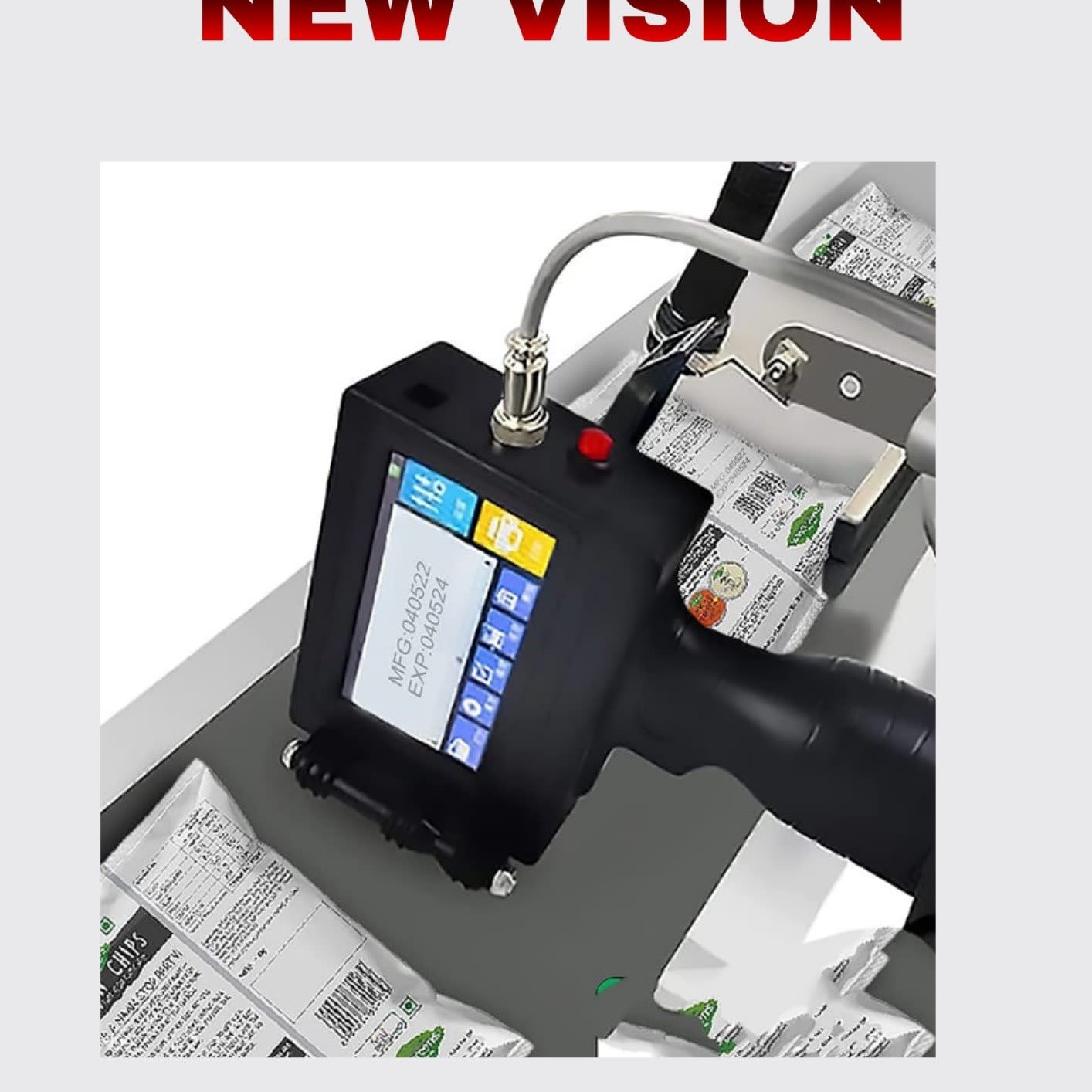
These machines print variable data like manufacturing date, expiry date, batch numbers, QR codes, and MRP directly onto products or packaging surfaces in real time. The key is speed combined with precision.
Role in Modern Manufacturing
Modern manufacturing focuses on automation, traceability, and efficiency. Batch coding machines integrate directly with production lines, ensuring continuous flow without interruptions.
They enable dynamic data printing, allowing instant content changes without stopping production.
Types of Batch Coding Machines
TIJ (Thermal Inkjet) Technology
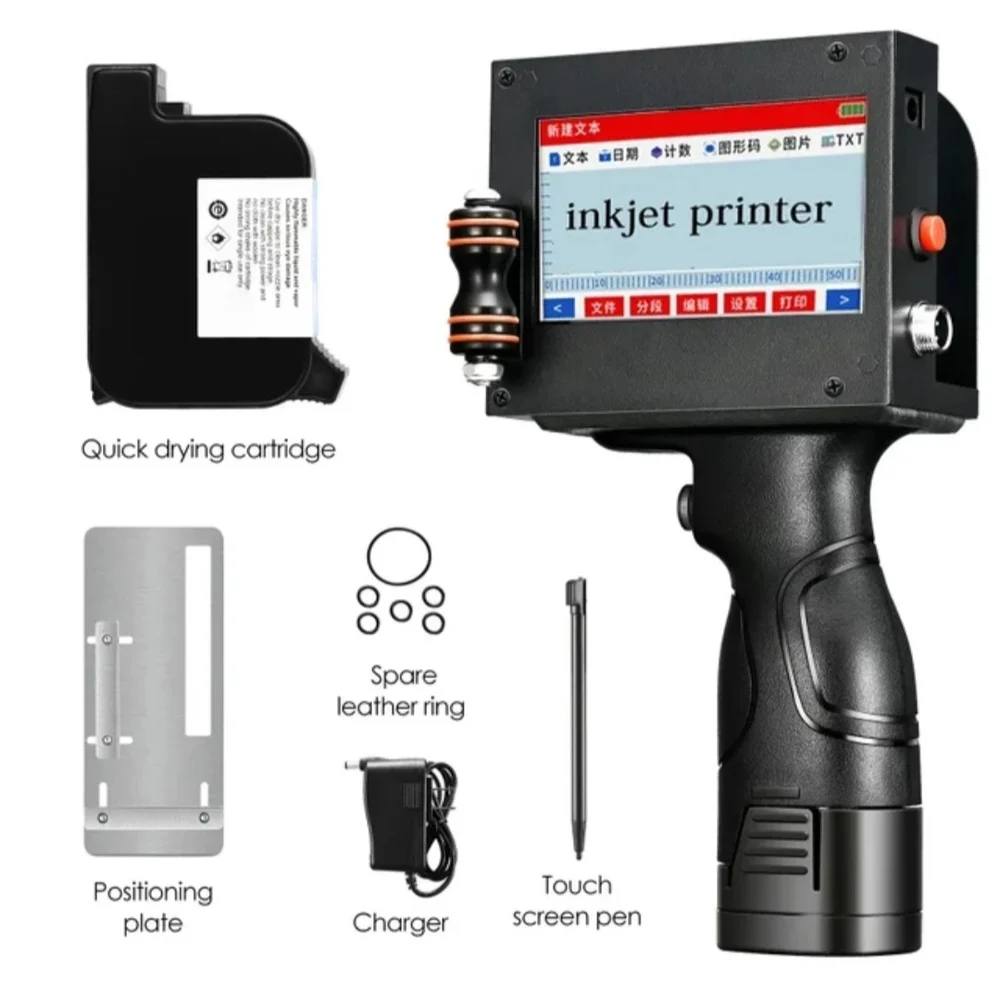
TIJ 2.5 technology offers high resolution, low maintenance, and cost efficiency. It uses cartridge-based systems, eliminating complex ink circulation and achieving up to 99.9% uptime.
- High-resolution printing (up to 600 DPI)
- Low maintenance
- Works on multiple surfaces
CIJ vs Laser vs TIJ Comparison
Each technology serves different needs:
- CIJ: High speed, but higher maintenance
- Laser: Permanent marking, higher upfront cost
- TIJ: Balanced performance and cost efficiency
Key Features to Look For
Print Speed & Throughput
Industrial machines typically operate between 30–100 m/min. Speed must be balanced with print quality.
Print Resolution & Accuracy
Modern machines offer 300–600 DPI, ensuring clear and scannable barcodes and QR codes.
Material Compatibility
Machines should support multiple surfaces:
- Plastic
- Metal
- Glass
- Cartons
Industrial Applications
FMCG and Food Industry
Ensures accurate printing of expiry dates, batch numbers, and pricing information at high speeds.
Pharmaceutical & Packaging Industry
Critical for traceability, compliance, and patient safety. Ensures each product is uniquely identifiable.
Technical Specifications Explained
Speed (m/min)
Ranges from 30 to 100 m/min depending on machine configuration.
DPI Resolution
300–600 DPI ensures high-quality printing for industrial use.
Ink Types
- Water-based inks (porous materials)
- Solvent-based inks (non-porous surfaces)
- UV inks (special applications)
Cost Analysis & ROI
Initial Cost vs Lifetime Cost
Machines range from ₹7,000 to ₹75,000+, but long-term cost depends on maintenance and consumables.
Maintenance & Ink Cost
TIJ systems reduce downtime due to cartridge-based design.
Advantages of High Speed Coding Machines
Productivity Gains
Eliminates bottlenecks and improves production efficiency.
Automation Integration
Seamlessly integrates with automated systems, reducing human error.
Buying Guide (Step-by-Step)
Identify Your Production Needs
Analyze speed, material type, and data variability requirements.
Evaluate Machine Compatibility
Ensure compatibility with existing systems and easy integration.
Common Mistakes to Avoid
- Choosing based only on price
- Ignoring scalability
- Overlooking after-sales support
Conclusion
A high speed batch coding machine is a strategic investment impacting productivity, compliance, and scalability. Choosing the right machine ensures long-term efficiency and operational stability.
FAQs
1. What is the best technology for batch coding machines?
TIJ 2.5 is widely preferred due to low maintenance and high resolution.
2. What speed should I choose?
Typically 30–100 m/min depending on production needs.
3. Can these machines print QR codes?
Yes, modern machines support QR codes, barcodes, and variable data.
4. Which industries use them?
FMCG, pharmaceuticals, food, and packaging industries.
5. What is the cost?
₹7,000 to ₹75,000+ depending on features.