The short answer: which batch coding machine is most reliable depends on what you print, how fast the line runs, how much maintenance your team can handle, and whether the mark needs to be permanent. For cartons and porous pouches, hot ink roll coders are proven workhorses. TIJ suits flexible, lower-volume coding; CIJ handles high-speed non-porous surfaces; UV laser produces permanent marks without consumables.
Which batch coding machine is most reliable for Indian factories?
In a factory, reliability is not just about whether a machine can run for hours. What matters is whether it keeps producing readable codes without frequent intervention, unexpected maintenance or uncontrolled consumable costs.
That is where the differences between coding technologies become important.
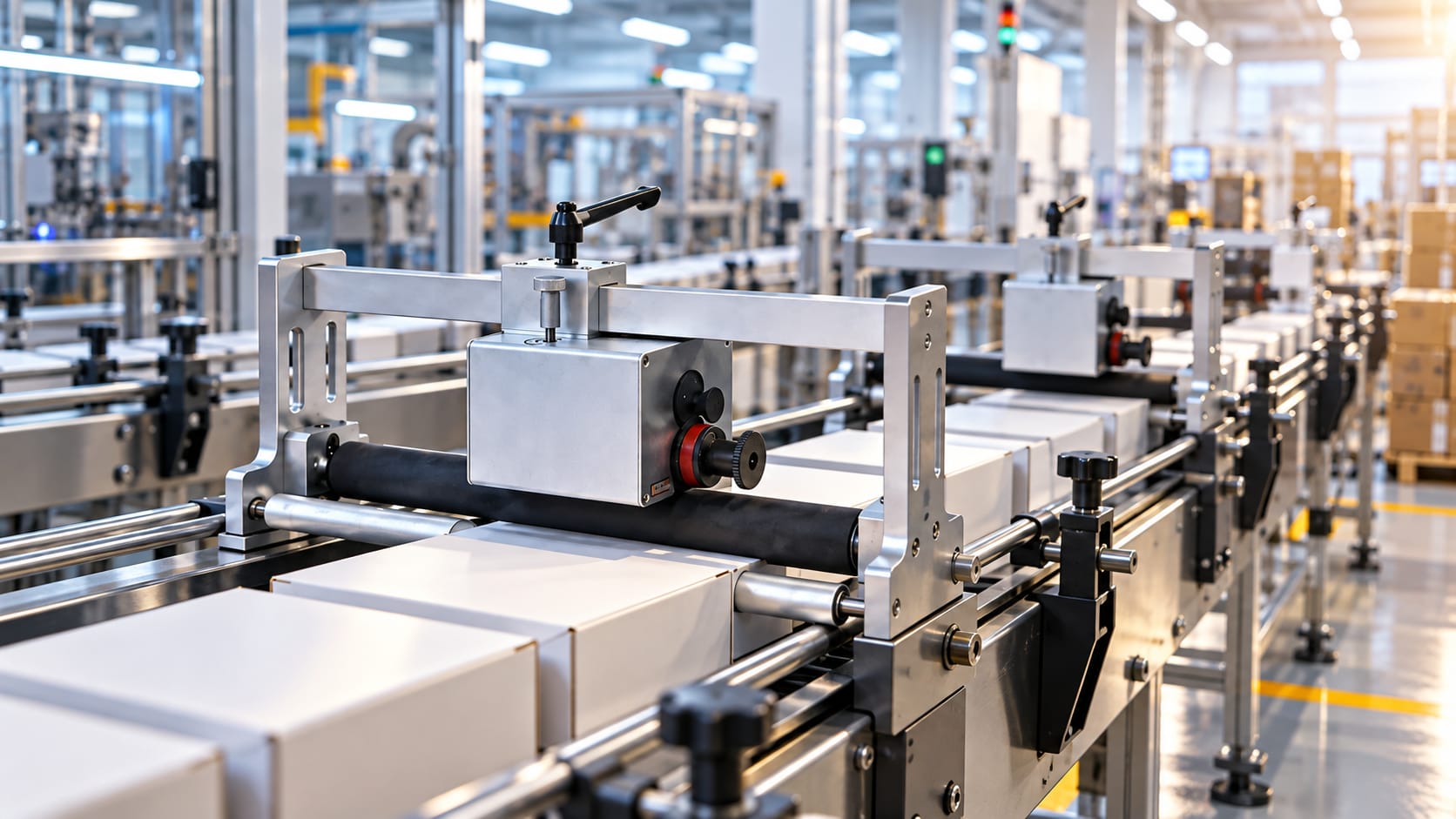
For cartons and pouches, hot ink roll coding has one practical advantage: there are no inkjet nozzles to clog. It is a straightforward workhorse for high-duty coding on porous surfaces.
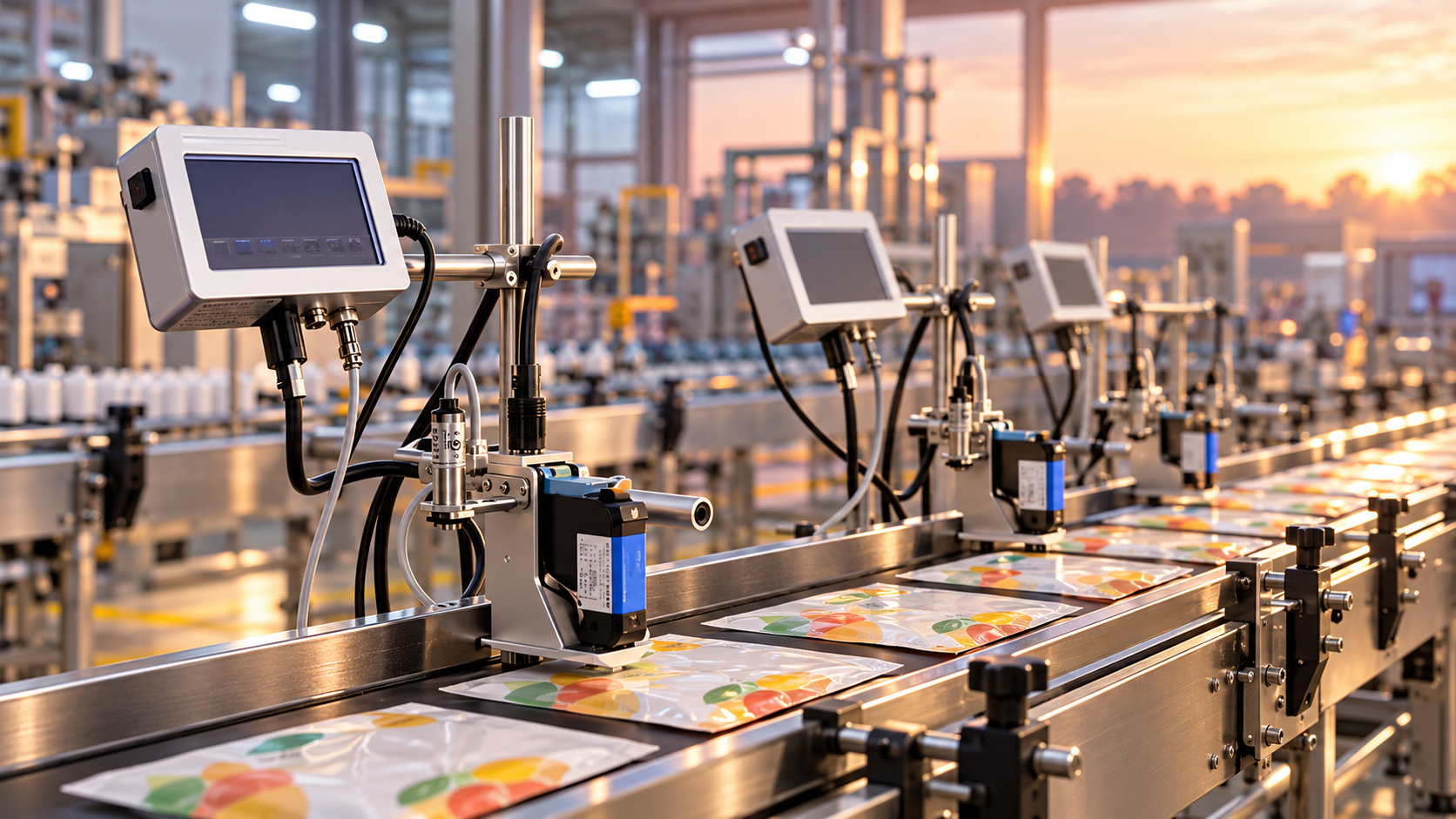
Handheld TIJ takes a different approach. It is portable and cartridge-based, which makes it useful for lower production volumes where an operator may need to move the printer between products or locations. Online TIJ is intended for production lines where higher printing speed is required.
CIJ, or continuous inkjet, is built for continuous, high-speed printing on non-porous surfaces. The trade-off is a higher maintenance requirement, including solvent and makeup fluid management.
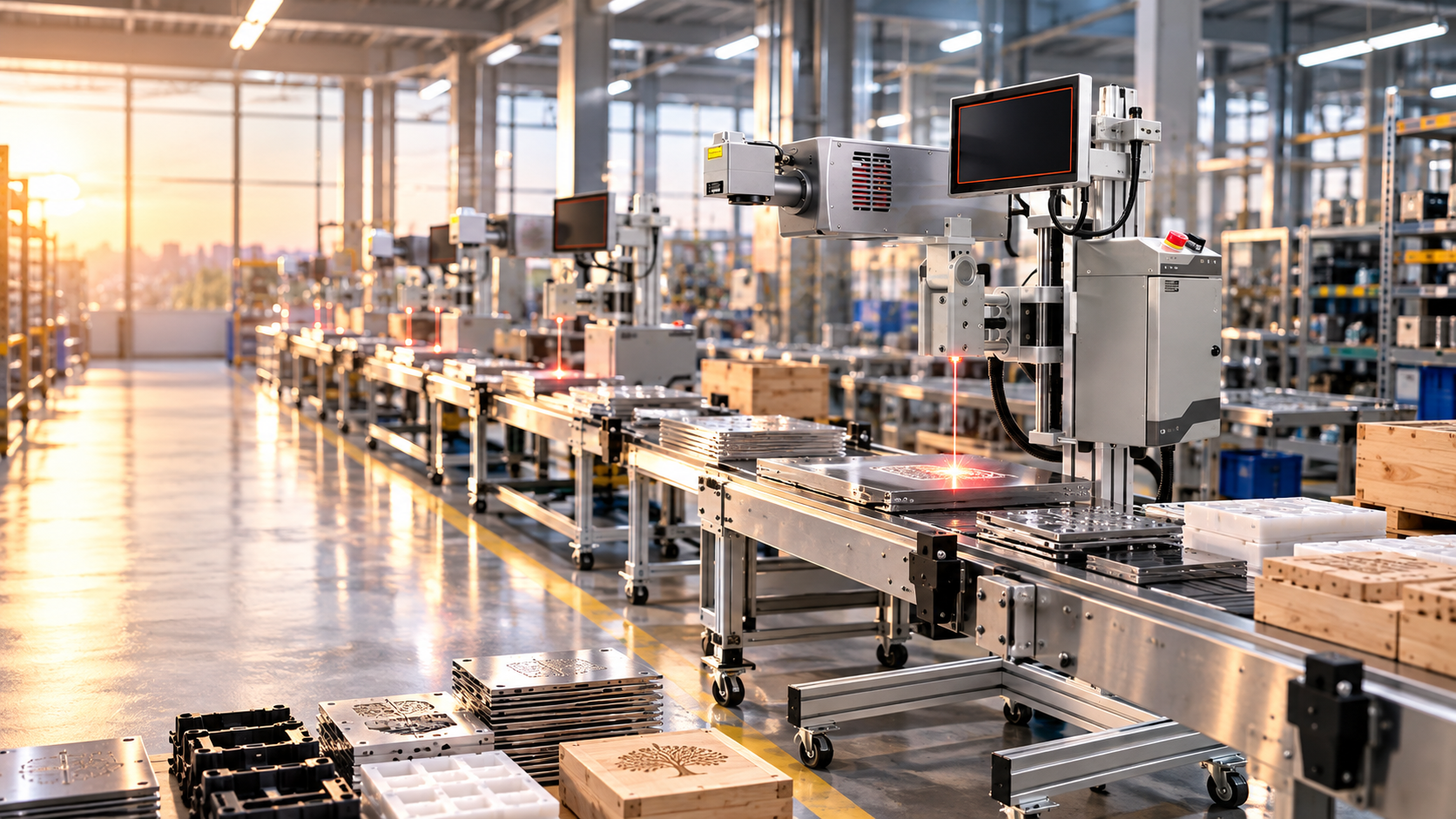
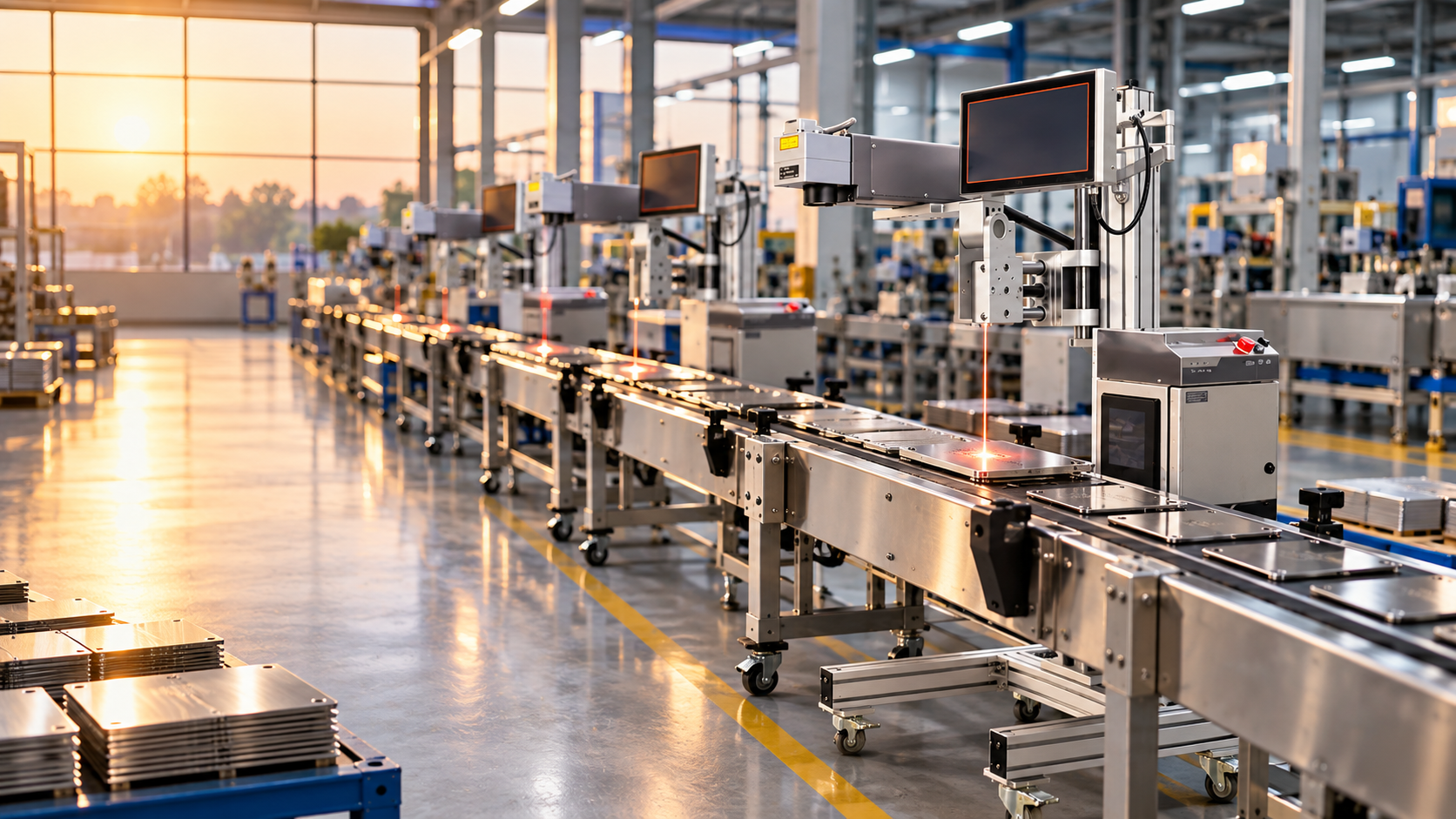
UV laser removes ink and solvent from the process altogether. It produces a permanent mark and uses zero consumables, but it also carries the highest upfront cost among these technologies.
For a purchase manager, the useful question is not simply, "Which machine is best?" It is: Which technology will give this particular production line predictable uptime without creating an unnecessary maintenance or consumable burden?
How do hot ink, TIJ, CIJ and UV laser compare?
| Technology | Reliability | Maintenance | Consumables | India price band | Best for |
|---|---|---|---|---|---|
| Hot ink roll coder | High for suitable porous surfaces | Low | Ink roll | ₹28,000–₹32,000 | Cartons and pouches |
| Handheld TIJ | Good for low-volume work | Low to moderate | Ink cartridges | Varies by configuration | Portable, low-volume coding |
| Online TIJ | Good for production-line use | Moderate | Ink cartridges | Varies by configuration | Higher-speed production lines |
| CIJ | High-speed continuous operation | Higher | Ink, solvent and makeup fluid | Varies by configuration | Non-porous surfaces |
| UV laser | Permanent marking | Low routine consumable burden | None | Highest upfront cost | Permanent industrial marking |
The ₹28,000–₹32,000 price band for a hot ink roll coder makes it accessible for factories starting or expanding batch coding. If you are comparing hot ink coding machine price, do not stop at the machine quotation. Ink, cartridges, solvent, makeup fluid and maintenance all affect what the equipment costs to operate over time.
Why is a hot ink roll coder reliable for cartons and pouches?
Hot ink roll coding is a practical fit for porous packaging because the printing process does not depend on small inkjet nozzles.
That distinction matters when a machine is expected to work through a production shift rather than sit idle between batches. No nozzle maintenance means one common source of coding interruptions is removed from the process.
The application itself is straightforward: print a batch number, manufacturing date, expiry information or similar variable information on suitable cartons and pouches.
For a closer look, see a hot ink coder that runs cartons all day without nozzle maintenance.
What can fail in a hot ink roll coder?
The ink roll is the main consumable, while the associated mechanical components are the primary wear points. The maintenance burden remains comparatively low because there are no printing nozzles to clog.
The bigger purchasing issue is substrate selection. Hot ink roll coding is intended for porous surfaces such as cartons and pouches. It should not be treated as a universal solution for every packaging material.
Is handheld TIJ more reliable than traditional coding methods?
Handheld thermal inkjet, or TIJ, makes sense when portability matters more than continuous automated production.
The printer uses an ink cartridge and can be moved between products or work areas. That is useful for smaller production runs, changing SKUs, and applications where installing a permanent online coding system would add unnecessary complexity.
For a factory coding limited quantities of products, the flexibility can be more important than maximum line speed.
What can fail in handheld TIJ?
The cartridge is the key operating dependency. Print quality and continuity depend on keeping the cartridge in proper working condition and using it as intended.
For relatively low coding volumes, that is a practical arrangement. If the requirement changes to continuous, high-volume production, online TIJ or CIJ may be more suitable.
When should a factory choose online TIJ?
Online TIJ is designed to become part of the production line rather than being carried from one product to another.
The distinction is mainly about workflow and speed. Products move through the line while the coding system prints as part of the process. There is no need for an operator to manually position the printer on every individual product.
For purchase managers, line speed and substrate should be checked first. If coding has to happen continuously as products pass through production, online TIJ is worth considering.
What can fail in online TIJ?
Online TIJ still relies on ink cartridges and thermal inkjet printing components. Maintenance therefore centres on keeping the printing system operating correctly and ensuring cartridges are available when required.
It is less mechanically simple than a hot ink roll coder, but it provides something the handheld format does not: automated coding integrated with a production line.
Why does CIJ require more maintenance?
CIJ is designed for high-speed printing on non-porous surfaces. That makes it useful where hot ink coding is not the right fit.
The operating setup is more involved. CIJ requires regular maintenance and uses solvent and makeup fluid along with ink. Those fluids become part of normal machine operation, so they also become part of the factory's maintenance and purchasing routine.
This is why the initial machine price should not be considered in isolation. The ongoing fluid requirement and maintenance work affect the operating cost.
What can fail in a CIJ machine?
The main maintenance burden sits around the ink and fluid system. Solvent and makeup fluid need to be managed regularly, and the machine requires routine maintenance to keep continuous printing reliable.
For high-speed coding on non-porous products, that maintenance requirement may be justified by the application. For straightforward carton coding, it can be more complexity than the process actually needs.
Is UV laser the most reliable because it has no consumables?
UV laser has one clear operational advantage: it produces permanent marking with zero consumables.
There is no ink or solvent consumption to manage. For applications where a permanent mark is required, removing consumables from the process can simplify ongoing operation.
The catch is upfront investment. UV laser has the highest initial cost among the technologies compared here. The economics therefore depend on whether permanent marking and zero consumables justify that higher entry cost.
What can fail in a UV laser system?
There are no ink or solvent consumables to replenish, so routine operation does not involve the consumable handling associated with TIJ or CIJ.
For the buyer, the main consideration is the significantly higher upfront investment. UV laser should therefore be selected because the application calls for permanent marking and zero consumables, not simply because it has fewer consumable requirements.
What should buyers check in a batch coding machine buying guide?
A practical batch coding machine buying guide should start with five questions:
What surface are you printing on? Cartons and pouches favour hot ink roll coding, while CIJ is intended for non-porous surfaces.
How fast is the production line? Low-volume applications can use handheld TIJ, while online TIJ and CIJ address production-line requirements.
How much maintenance can your team handle? Hot ink has a low maintenance burden, while CIJ requires regular maintenance plus solvent and makeup fluid.
Do you need consumable-free marking? UV laser uses zero consumables but has the highest upfront cost.
What is the total operating cost? Compare the purchase price with ink, cartridges, solvent, makeup fluid and maintenance requirements.
A reliable industrial coding machine should fit the production environment you already have. The machine should not force the factory to build an unnecessarily complicated process around it.
You can review our batch coding machines range to compare the available coding approaches.
Which technology has the lowest maintenance burden?
For the applications covered here, hot ink roll coding has a particularly simple maintenance profile. There are no nozzles to clog, and the ink roll is the primary consumable.
UV laser removes ink and solvent consumables altogether, although its higher upfront cost changes the purchasing calculation.
TIJ sits between these approaches. It uses cartridges and is available in portable or production-line configurations.
CIJ has the highest routine maintenance burden among these four technologies because its continuous ink system requires ink, solvent and makeup fluid management.
For a broader selection framework, see our batch coding machine buying guide.
Which batch coding machine is most reliable for your application?
There is no universal answer. Reliability depends heavily on the application.
For cartons and porous pouches, hot ink roll coding offers a simple, high-duty solution without nozzle maintenance. For low-volume and portable coding, handheld TIJ is practical. For higher-speed production lines, online TIJ provides automated coding. For high-speed non-porous surfaces, CIJ is designed for the job, with higher maintenance requirements. For permanent marking with zero consumables, UV laser is the relevant technology, with the highest upfront investment.
The sensible choice is the technology that matches the substrate, production speed, maintenance capability and cost structure of the factory.
Frequently asked questions
Is hot ink coding suitable for high-duty carton production?
Yes. Hot ink roll coding is specifically suited to cartons and pouches and is a workhorse for high-duty porous surfaces. Because it has no printing nozzles, nozzle-clogging maintenance is not part of its operation. That makes it practical for factories running straightforward batch coding through the production day.
Is handheld TIJ suitable for small production volumes?
Yes. Handheld TIJ is portable and cartridge-based, making it suitable for low-volume printing of dates, MRP and expiry information. An operator can move it between products or coding locations instead of installing a permanently fixed production-line printer.
When should I choose CIJ over TIJ?
CIJ is intended for high-speed printing on non-porous surfaces. TIJ is available in handheld form for low-volume work and online form for higher-speed production lines. The decision should therefore be based primarily on production speed, substrate and the factory's tolerance for regular maintenance and fluid management.
Does UV laser require ink or solvent?
No. UV laser provides permanent marking with zero consumables. That removes the ongoing ink, solvent or cartridge requirement associated with the other technologies. The trade-off is the highest upfront cost among the four technologies compared in this guide.
Is the cheapest batch coding machine always the most reliable?
No. Purchase price alone does not determine reliability. A lower-cost machine may be suitable when the substrate and production requirements are simple, while a more expensive system may be justified for high-speed, non-porous or permanent marking applications. Maintenance and consumable costs should be considered alongside the initial investment.
Is batch coding important in pharmaceutical packaging?
Yes. Coding is an integral part of packaging operations where manufacturing, expiry and related variable information must be printed on products or packaging. In a broader pharmaceutical setup, batch coding is the final step of a pharma packaging line.
Final takeaway
Choose the coding technology around four things: substrate, production speed, maintenance capacity and total operating cost.
Hot ink is a practical workhorse for porous cartons and pouches. TIJ provides flexible cartridge-based coding. CIJ is built for high-speed non-porous applications, with a higher maintenance requirement. UV laser provides permanent marking without consumables, but requires the highest upfront investment.
The reliable choice is not necessarily the most expensive machine. It is the machine whose technology fits the job and keeps the coding process predictable.