
What a filling machine does
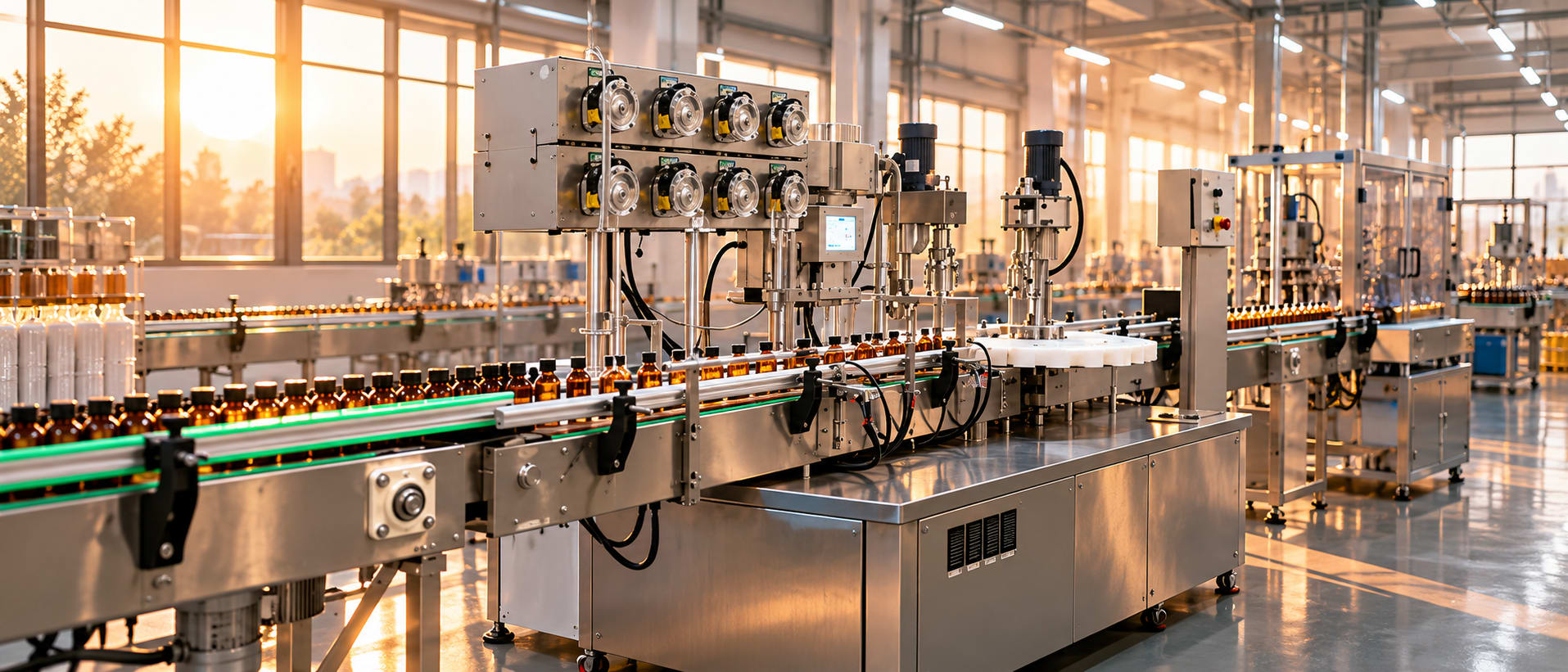
A filling machine doses a measured quantity of liquid, paste, powder or granules into bottles, jars, pouches or tubes — accurately, repeatedly, and far faster than manual filling. In India, filling machines span from ₹25,000 manual pneumatic units for startups to ₹8 lakh+ automatic lines for pharma and cosmetics, and the right choice depends on three things: your product's viscosity, your daily volume, and how much automation your line can absorb.
Filling machine classes and India price bands
| Machine class | Typical price (India, 2026) | Output range | Best-fit buyer |
|---|---|---|---|
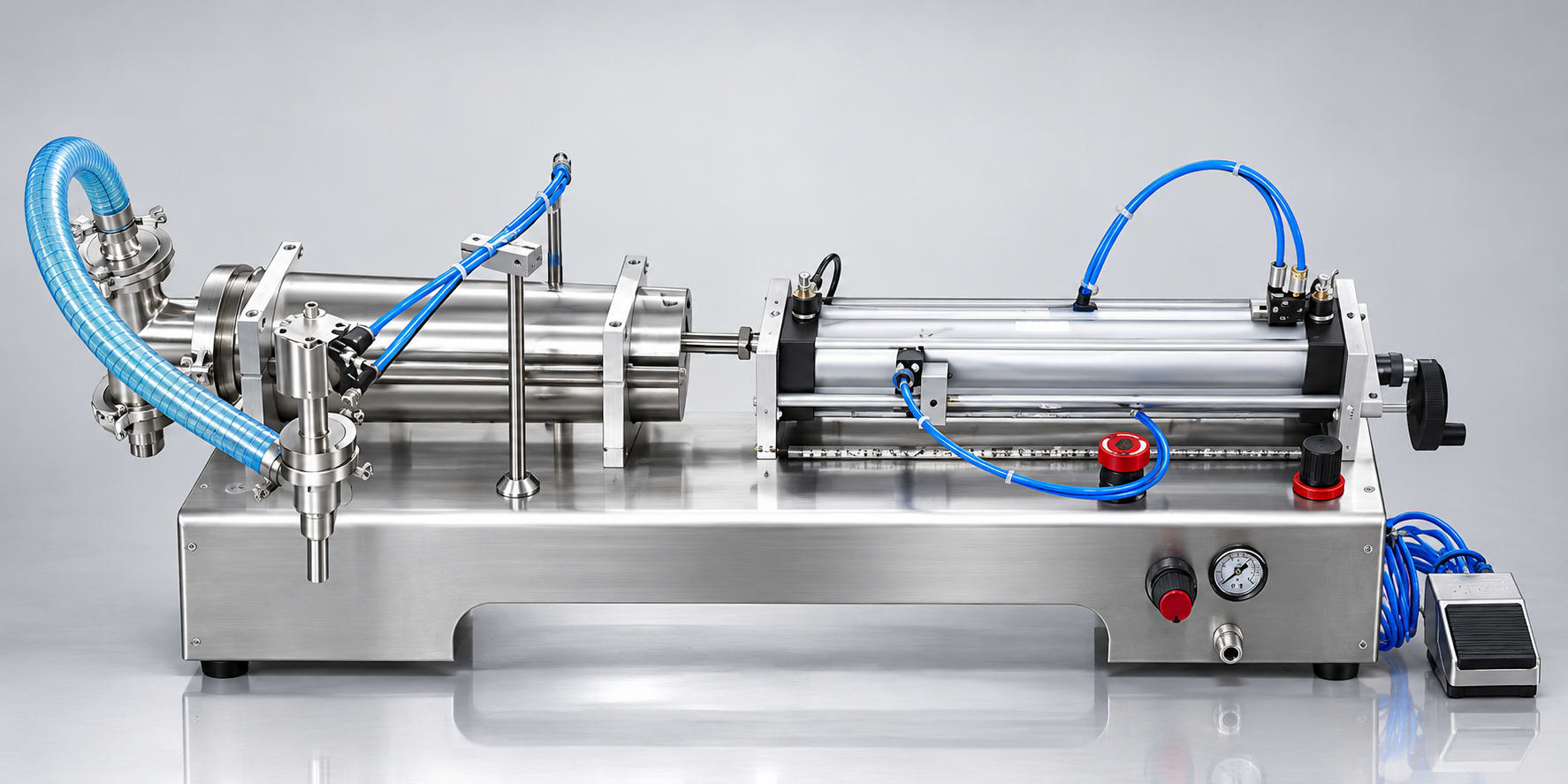
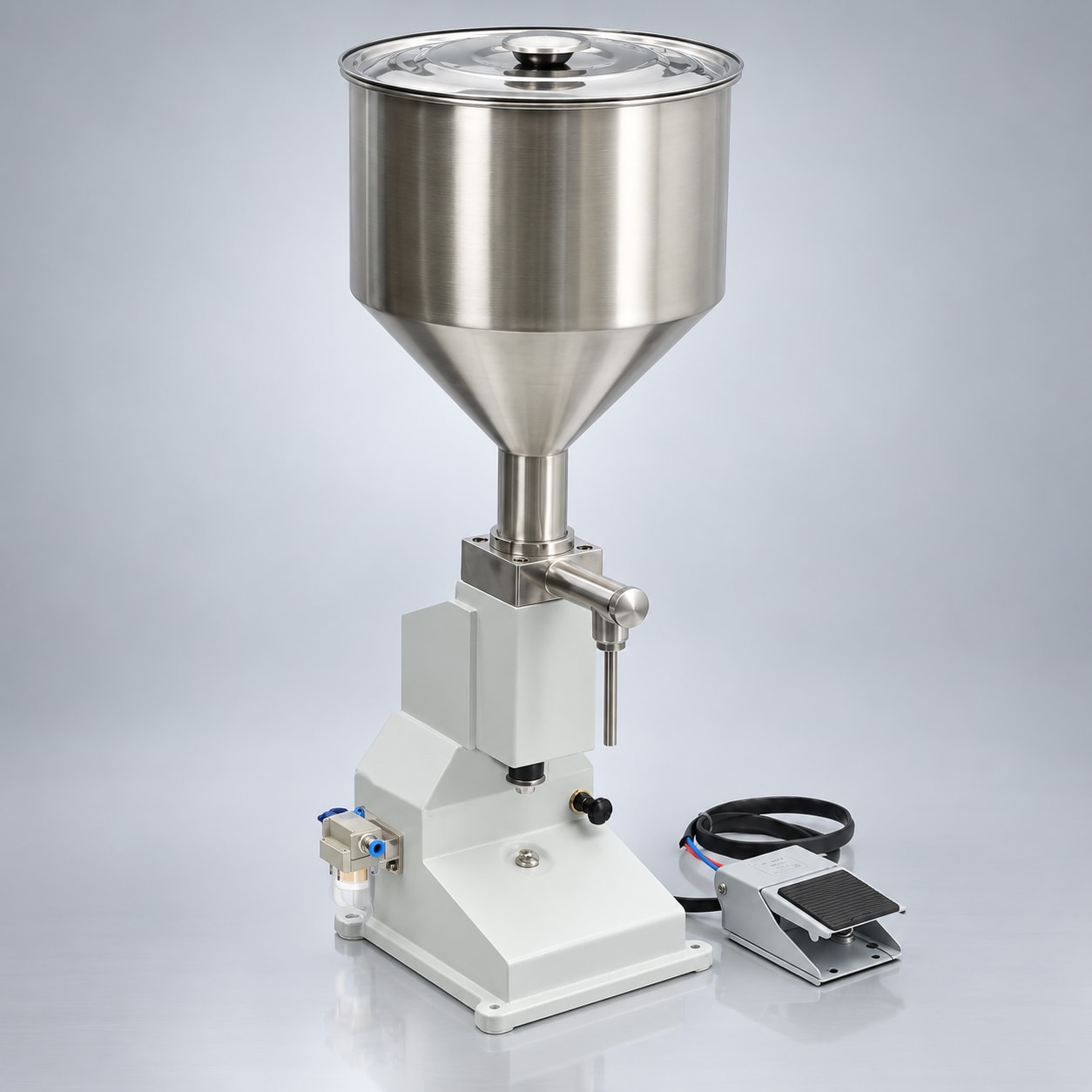
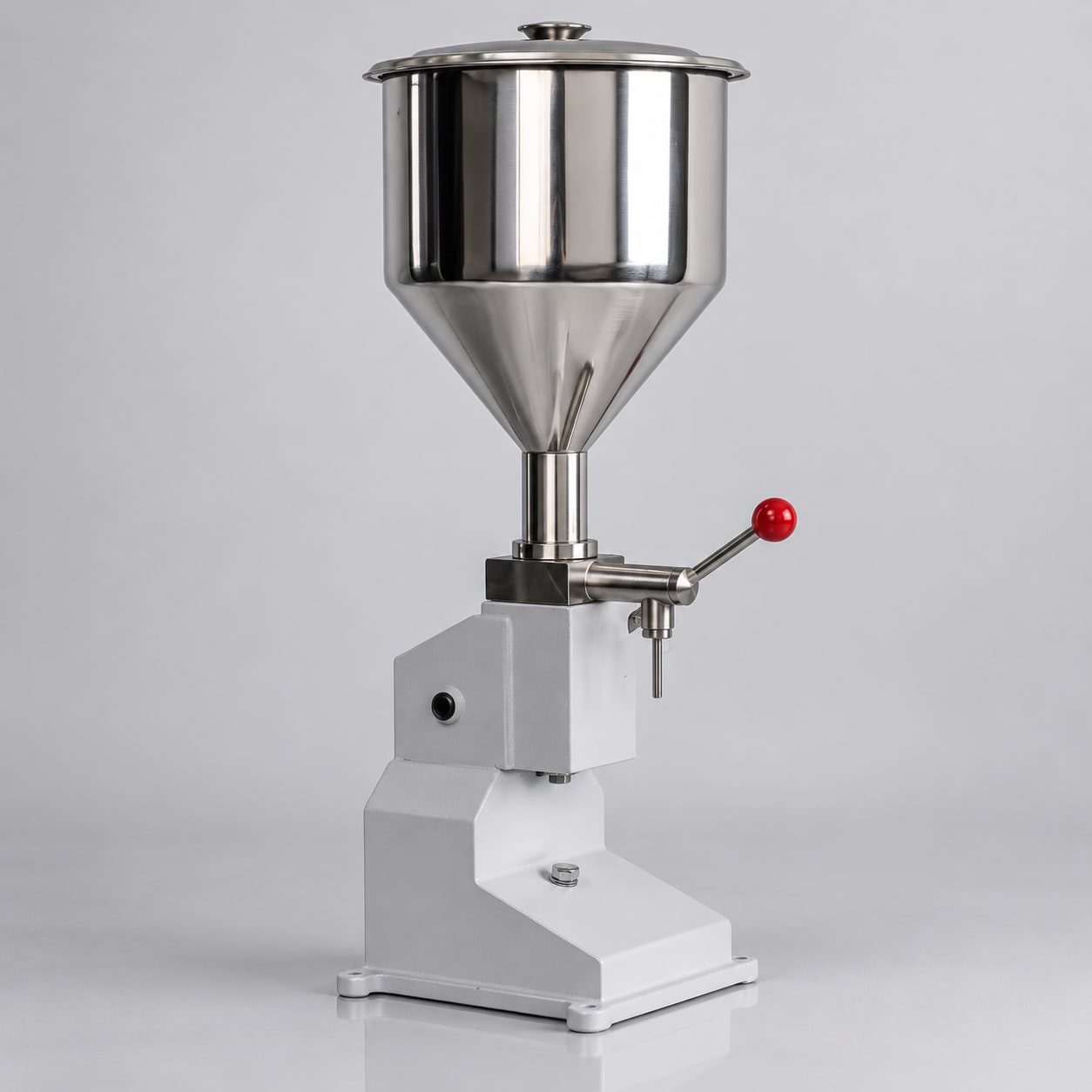
| Manual / semi-auto pneumatic (single head) | ₹25,000 – ₹45,000 | 300–600 containers/hr | Startups, pilot batches, home brands |
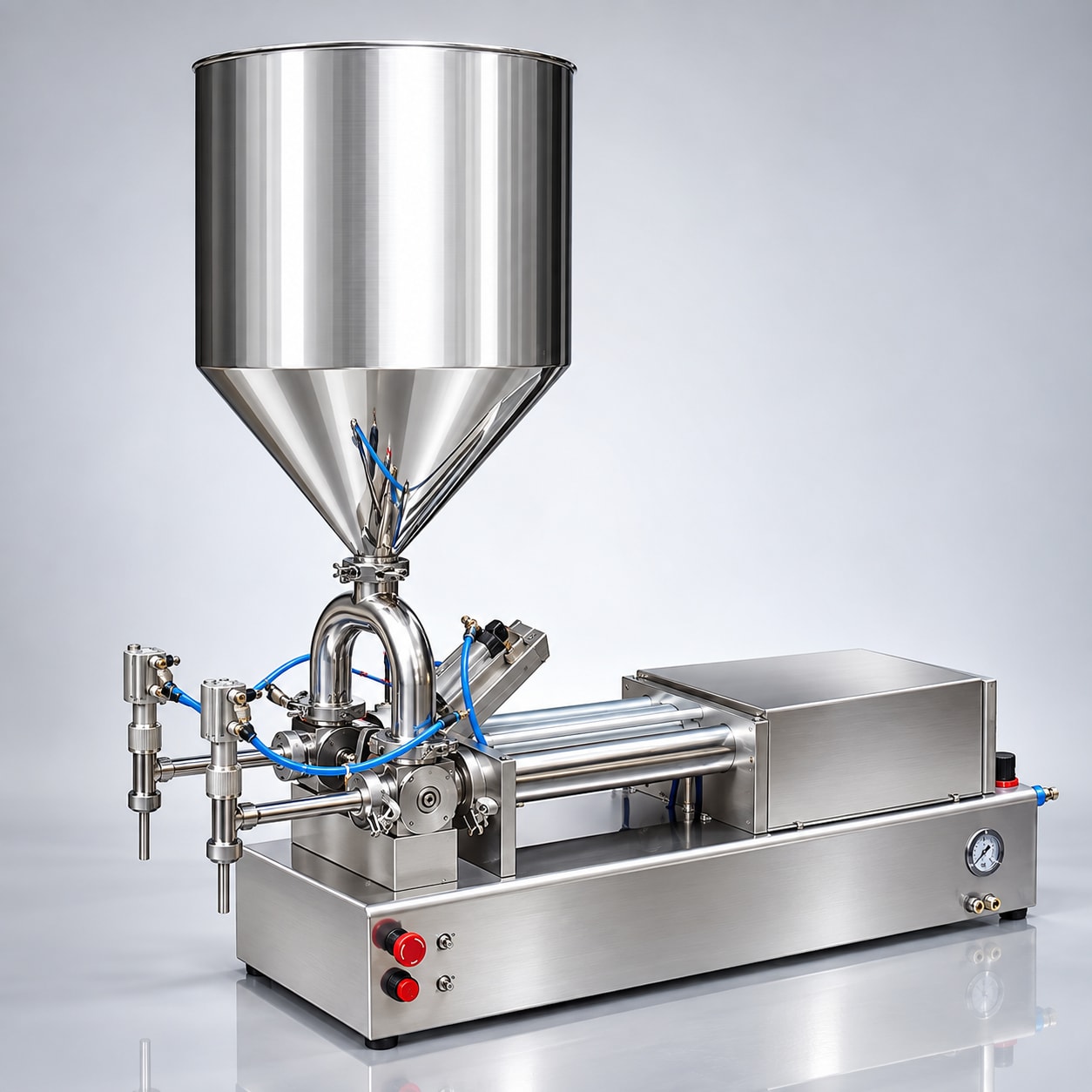
| Semi-auto piston (single head) | ₹55,000 – ₹85,000 | 600–1,400 containers/hr | Growing food, cosmetic, pharma brands |
| Semi-auto double-head | ₹85,000 – ₹1.5 lakh | 1,000–2,800 containers/hr | Mid-size plants, contract packers |
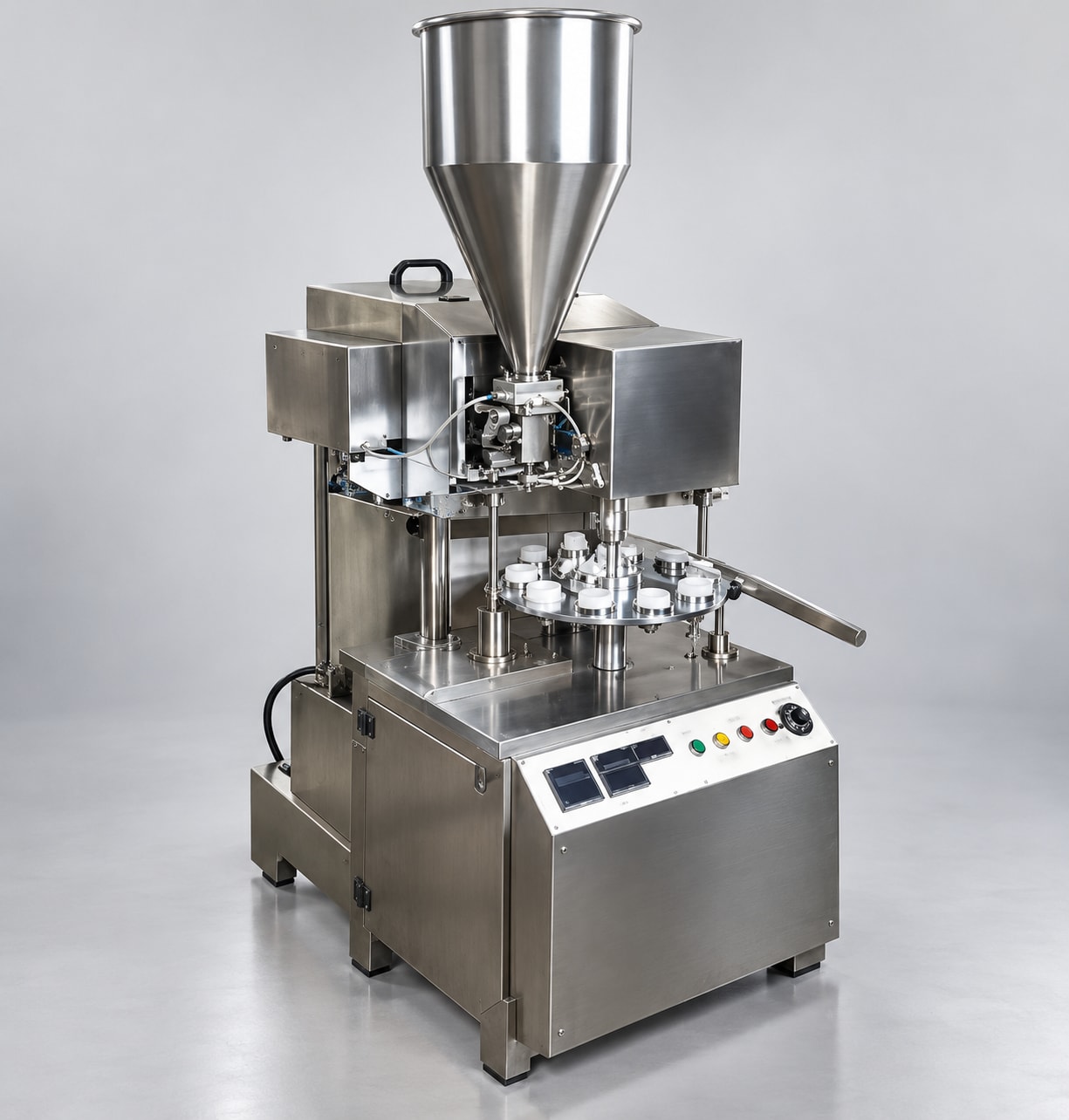
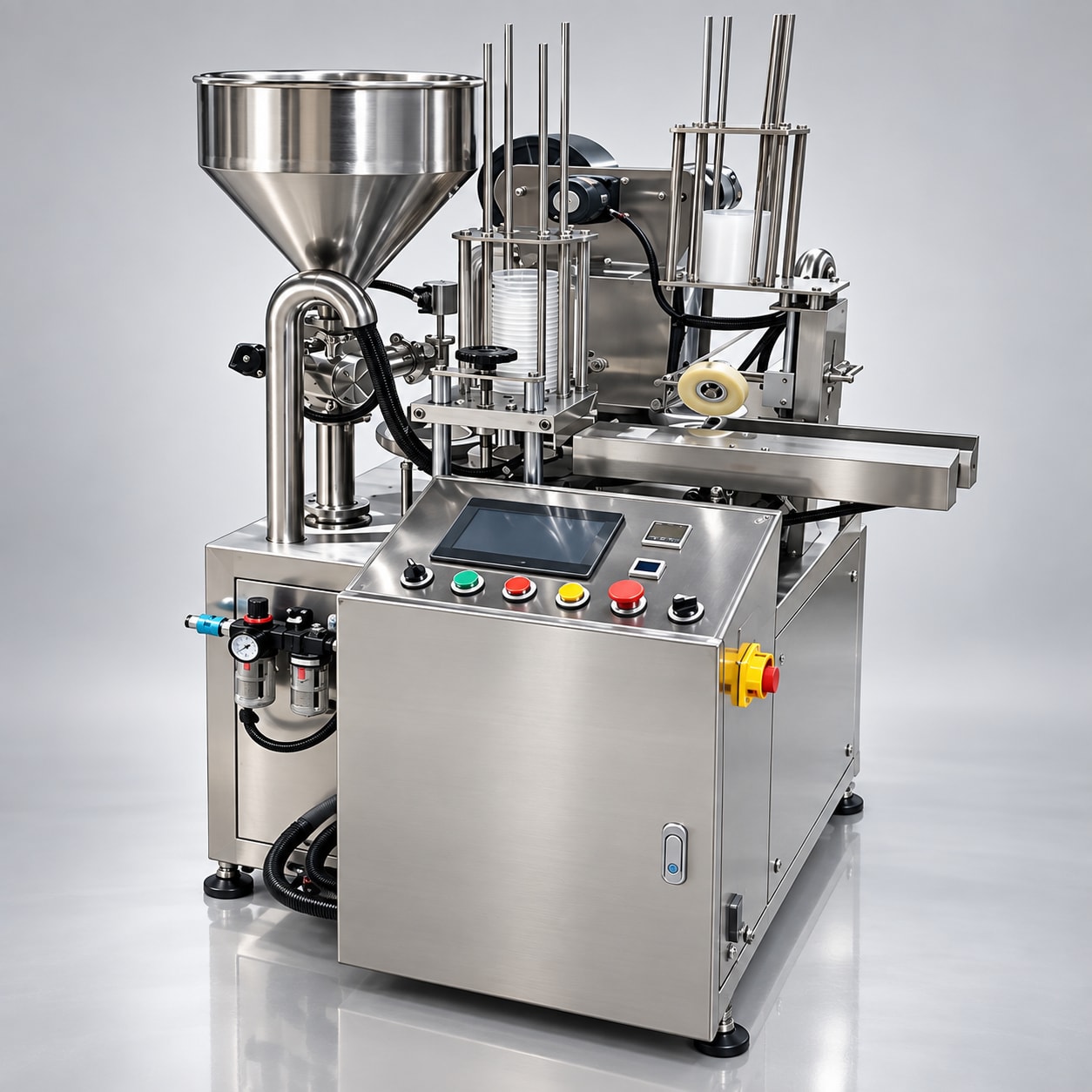
| Automatic tube filling + sealing | ₹4.4 – ₹6.5 lakh | 40–60 tubes/min | Cosmetic and pharma tube lines |
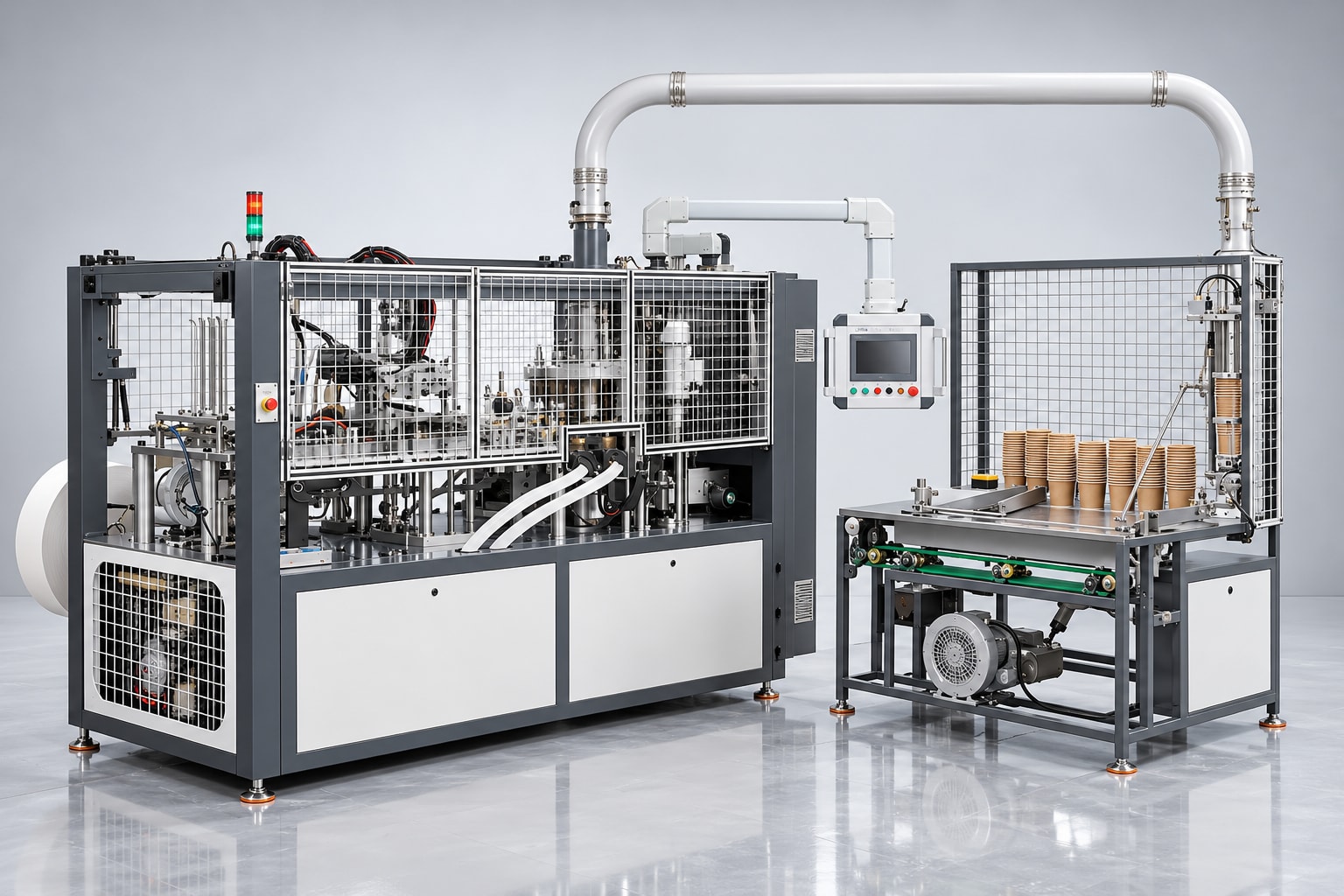
| Automatic paper-cup forming | ₹4.3 – ₹7.5 lakh | 80–120 cups/min | Disposable cup manufacturers |
| Auger powder filling | ₹1.5 – ₹3.5 lakh | 600–1,800 packs/hr | Spice, pharma powder, detergent packers |
GST treatment varies by seller — confirm whether a quote is ex-works or GST-inclusive.
How to choose the right filling machine
Thin liquids (oils, syrups, water): gravity or pneumatic fillers are economical and accurate enough. A single-head pneumatic unit at ₹25,000–45,000 serves startups; scale to multi-head automatic when volume crosses ~5,000 containers a day.
Viscous pastes (chutney, pickle, creams, sauces, ghee): you need a piston filler — the piston positively displaces thick product so every dose is consistent. Budget ₹55,000–85,000 for single-head, ₹85,000–1.5 lakh for double-head. Size to your thickest product, not the average.
Tubes (toothpaste, creams, ointments): a dedicated tube filling and sealing machine fills and hermetically seals squeezable tubes in one cycle at 40–60 tubes/min. Standard automatic machines cost ₹4.4–6.5 lakh; confirm tube-material compatibility (plastic, laminated, aluminium) before ordering.
Powders and granules (spices, pharma, detergents): auger fillers dose by screw rotation and handle free-flowing to semi-free-flowing powders. Pair with a checkweigher if your pack weights are audited.
Paper cups (forming, not filling): a high-speed paper cup making machine forms cups from printed blanks at 80–120 cups/min. This is a forming machine — it makes the cup; a separate cup filling and sealing machine fills it. Do not confuse the two when comparing quotes.
What to check before buying
Run this checklist with every vendor: (1) fill-volume accuracy in writing, tested on your product's actual viscosity; (2) contact-part material — SS316 for food, pharma and cosmetics (ask for the certificate), SS304 minimum otherwise; (3) changeover time and tooling cost between your container sizes; (4) for pneumatic machines, the compressor air requirement — do you already have the CFM, or is that a second purchase?; (5) anti-drip or diving nozzles for sticky or foamy products; (6) GST invoice, 1-year warranty in writing, and spare-parts delivery time to your city; (7) a demo run on your product and your containers — viscosity changes everything.