The honest question: what stage is your business at?
A home kitchen selling 200 snack packets a day and a rented 1,000 sq ft unit packing 5,000 pouches a day are both "small businesses" — but they need completely different machines. This guide is organised as a ladder: buy the rung you are standing on, and know what the next rung costs. Every price below is a real 2026 India-market band, not a catalogue fantasy.
Rung 1 — Seal it properly (₹10,000–₹30,000)
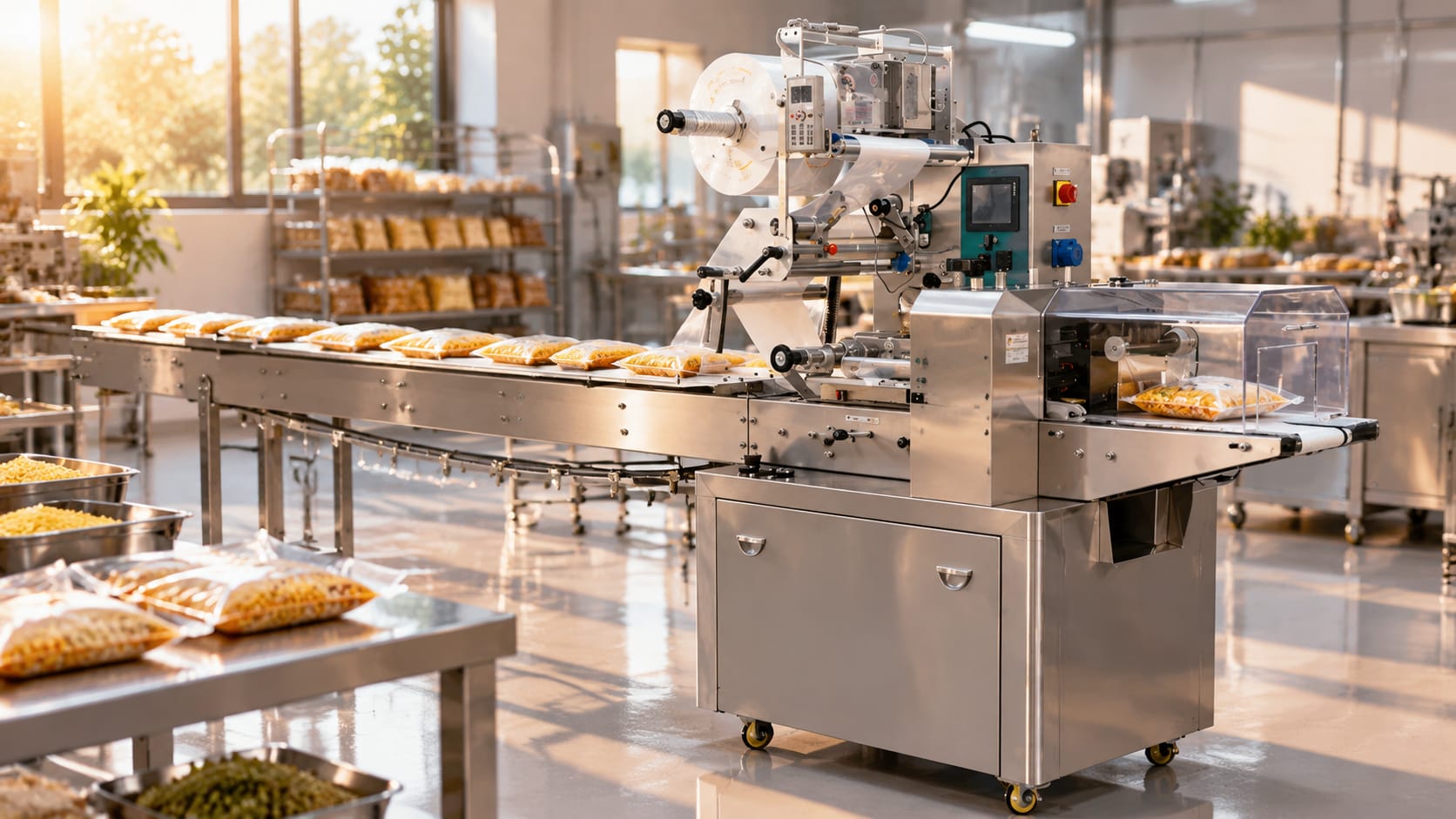
The first machine almost every food business buys is a sealer, because an unsealed pack is unsellable. A band sealer (around ₹19,680) seals pouches continuously and is the default for snacks, spices and dry fruits. Bottles need an induction cap sealer (around ₹10,455) for the tamper-evident foil seal customers expect on oils, juices and pharma-style products. If you sell ready meals or thalis, a tray sealing machine (around ₹30,000 for semi-automatic) is the cloud-kitchen standard. Buy the sealer that matches your container — pouch, bottle or tray — not the cheapest one on the page.
Rung 2 — Print the legal stuff (₹7,000–₹25,000)
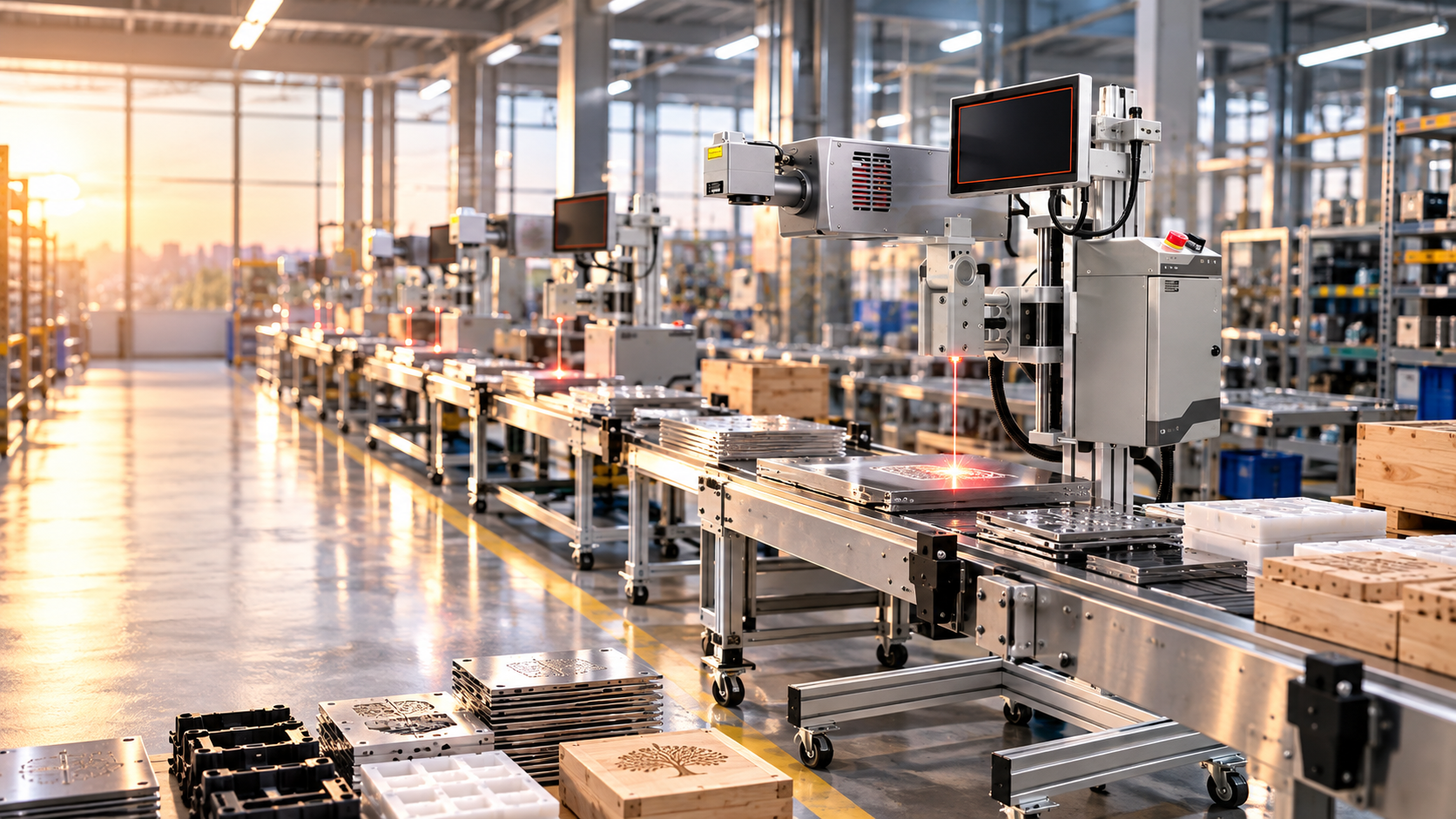
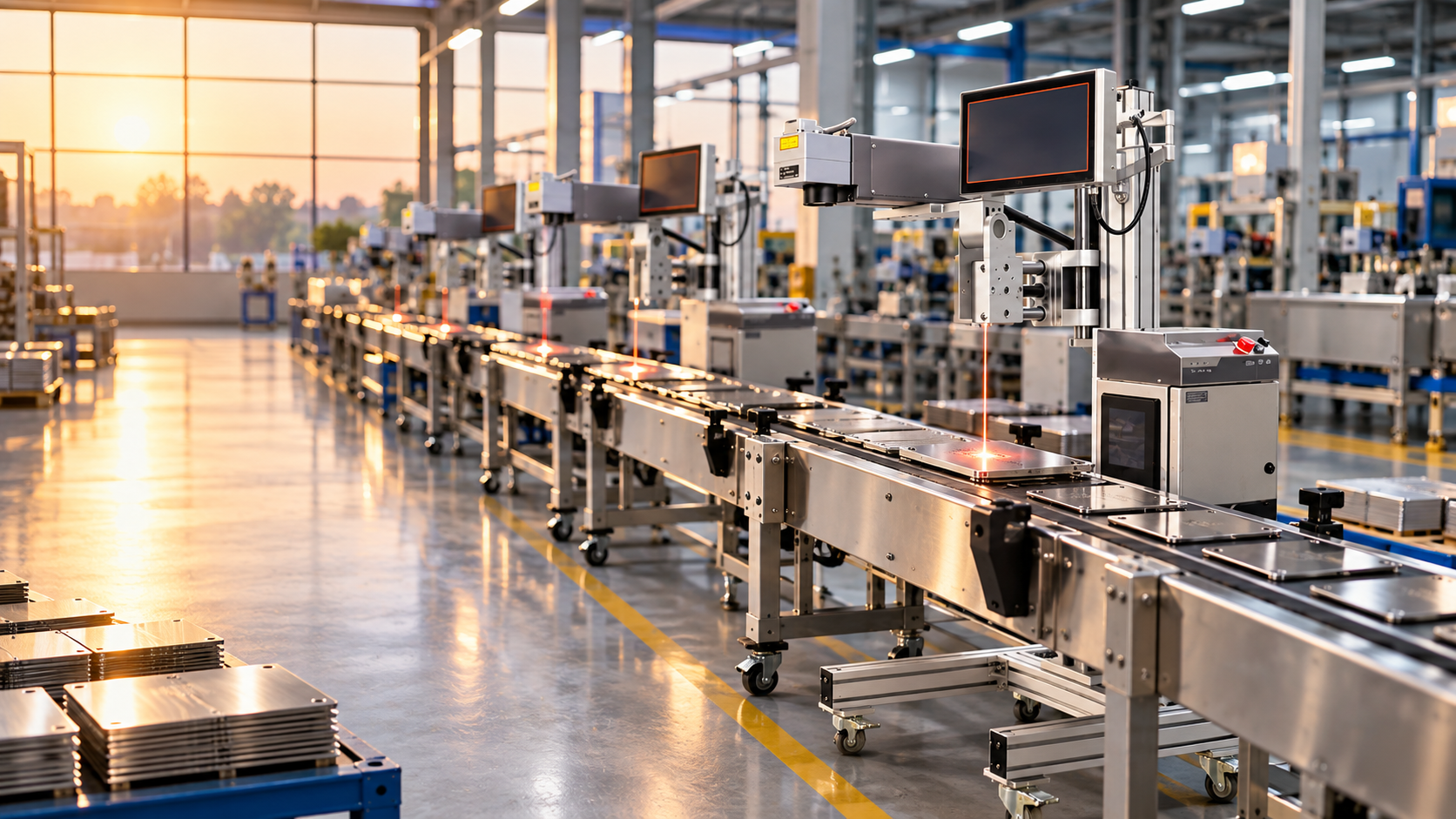
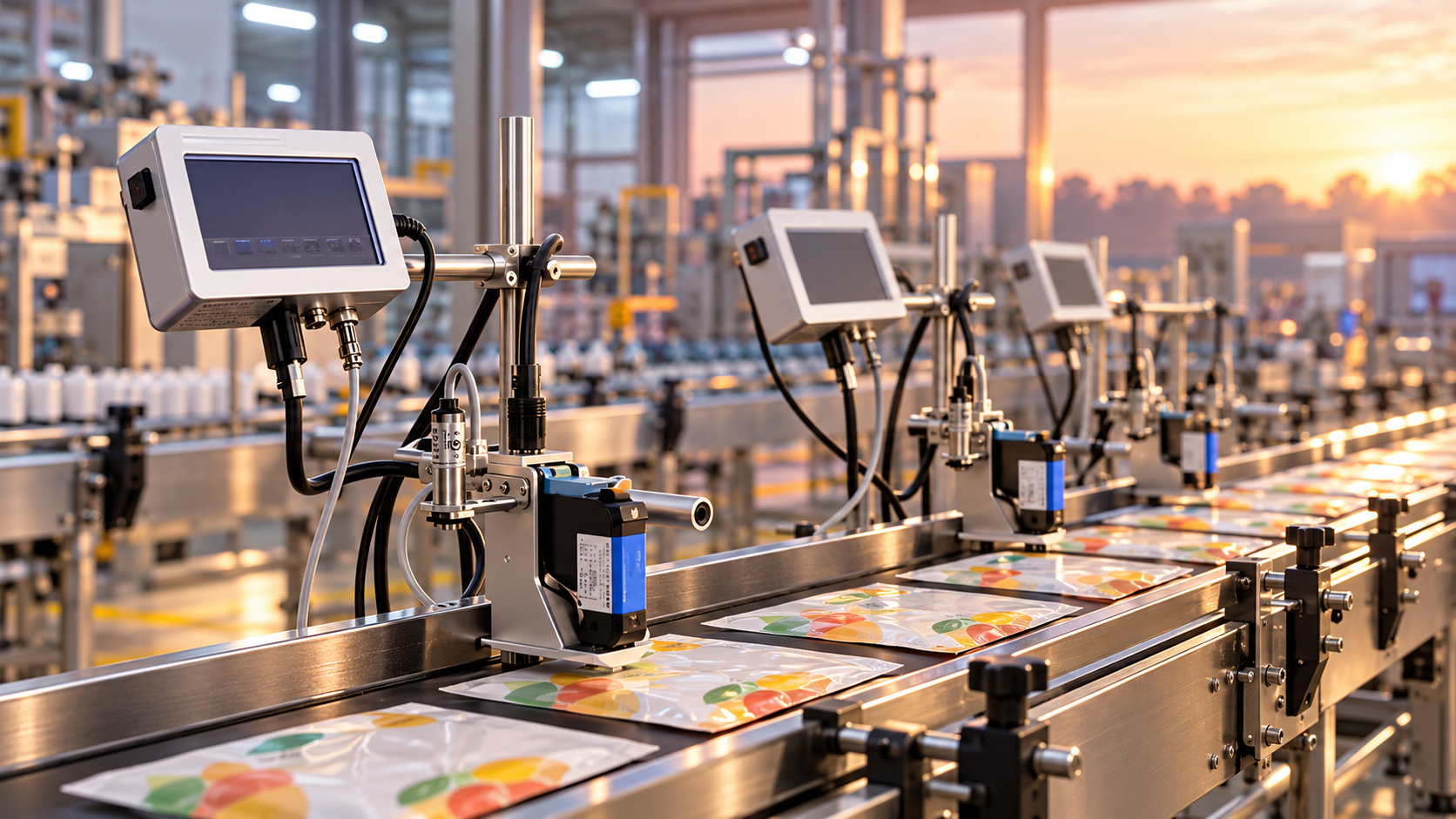
Batch number, manufacturing date, expiry date and MRP are legally required on packed food in India. A hot foil stamping machine (around ₹7,000) handles a few hundred packs a day on labels. When volume or product variety grows, a handheld thermal inkjet printer (₹12,000–₹25,000) prints batch, date, MRP and logos directly on cartons and pouches. This is the cheapest compliance purchase you will ever make — and the fine for skipping it is not.
Rung 3 — Fill and cap faster (₹35,000–₹3,70,000)
When hand-filling becomes the bottleneck: a semi-automatic capping machine (around ₹35,000) does 10–15 caps a minute with changeable molds for different bottle sizes. Liquid products move to filling machines — single/double-nozzle fillers start well under a lakh. At serious volume, a milk pouch packing machine (around ₹3,69,000) or an ice-pop/pepsi packing machine (around ₹95,000) turns the whole form-fill-seal cycle automatic. Buy filling capacity only when you have the orders to feed it — idle machines earn nothing.
Rung 4 — Quality and automation (₹60,000–₹5,80,000)
This rung is about protecting the brand you built on rungs 1–3. A vacuum sealing machine (around ₹59,999) extends shelf life for snacks and ready foods. A checkweigher (around ₹2,80,000) rejects underweight packs before a customer — or a regulator — finds them. A metal detector conveyor (around ₹5,80,000) is the food-safety gate for retail and export buyers. You don't need these on day one; you need them the day a big buyer asks for your quality process.
The math that matters: cost per pack
Before buying any machine, do this one calculation: (machine price ÷ expected packs over 3 years) + consumables per pack. A ₹19,680 band sealer running 1,000 pouches a day costs you about 18 paise per pack over three years — less than the pouch itself. Machines almost always pay for themselves against labour; what kills small businesses is buying rung 4 machines for rung 1 volumes. Match the machine to this month's orders, not next year's dreams.
New vs used, and how to not get burned
Used machines look cheap until the first breakdown with no spares and no manual. If you buy used, buy only machines you can see running, from a seller who will put the service commitment in writing. For new machines under ₹50,000, the checks are simple: demo on your actual product, price of consumables in writing, and a service contact within 100 km. For anything above ₹1 lakh, visit the supplier's works if you can — a real factory with machines under assembly is worth more than any brochure.