Scaling an edible oil brand in India's FMCG market eventually collides with the same wall: manual filling cannot hold precision at volume. The right edible oil filling machine — matched to your pouch, bottle, or bulk format — converts production targets into dispatchable stock without leakage, giveaway, or line stoppages. This guide breaks down the verified throughput data, the formats that dominate Indian retail, the price drivers, and the integration decisions that separate a configured line from a collection of machines.
Maximize Throughput with High-Precision Edible Oil Filling Machines
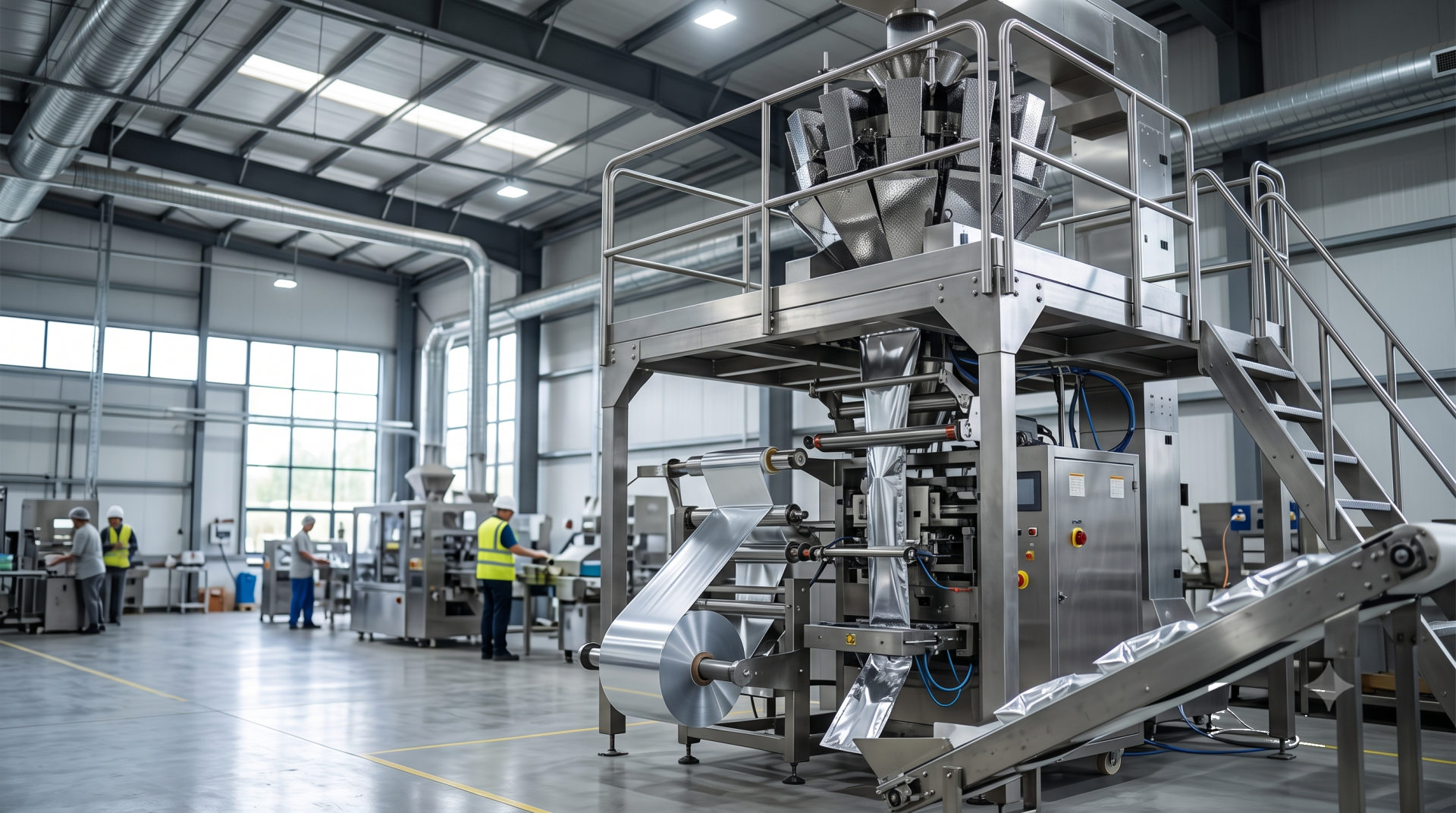
Automated filling is the fastest lever Indian oil producers have for increasing throughput — verified industry data puts the gain at up to 30% over manual processes. OCME, one of the world's largest packing-systems groups, cites throughput improvements of up to 30% when manual handling is replaced with automated packaging systems, and even conservative industry analyses point to 20–30% error reduction across food and consumer packaging lines.
For edible oils specifically, precision matters twice: first because oil is a viscous, drip-prone product, and second because every millilitre of giveaway on a 1 L pouch compounds across lakhs of units. Piston and gear-pump filling technologies hold volumetric accuracy across a wide viscosity band, while level-controlled bottle filling keeps retail shelf presentation consistent. The result is less spillage, less rework, and output that scales with demand rather than with headcount.
Market structure backs the automation case: Future Market Insights projects the global oil packing machine market to grow from USD 516.1 billion in 2025 to USD 635.3 billion by 2035, with automatic machinery taking a dominant share of new installations.
Pouch and Bottle Lines for Every Retail Format
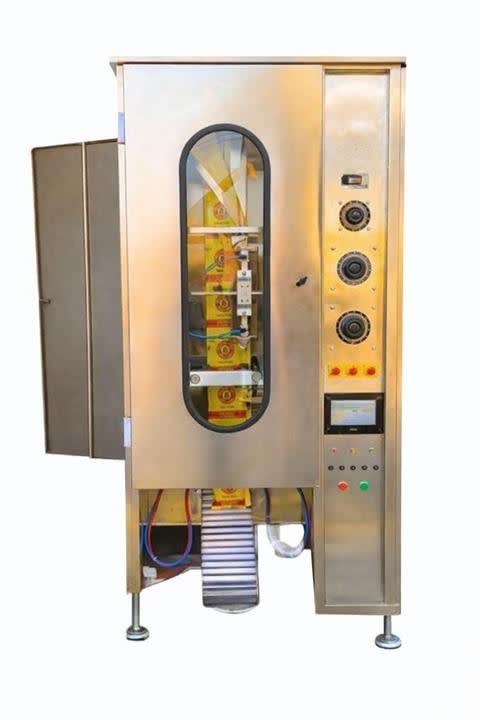
Flexible pouches are India's default edible oil format — 47% of the market in 2025 — and they demand sealing discipline that bottle lines never face. Research and Markets' India edible oil study attributes pouch dominance to affordability, ease of handling, and widespread retail acceptance, which is exactly why pouch integrity is a quality gate: a leaking pouch is a returned product and a dented brand.
- Pouch lines (200 ml–1 L): gear-pump or piston filling with three-side sealing; continuous band sealing keeps closures airtight at line speed — see our continuous band sealer guide for the sealing side of the line.
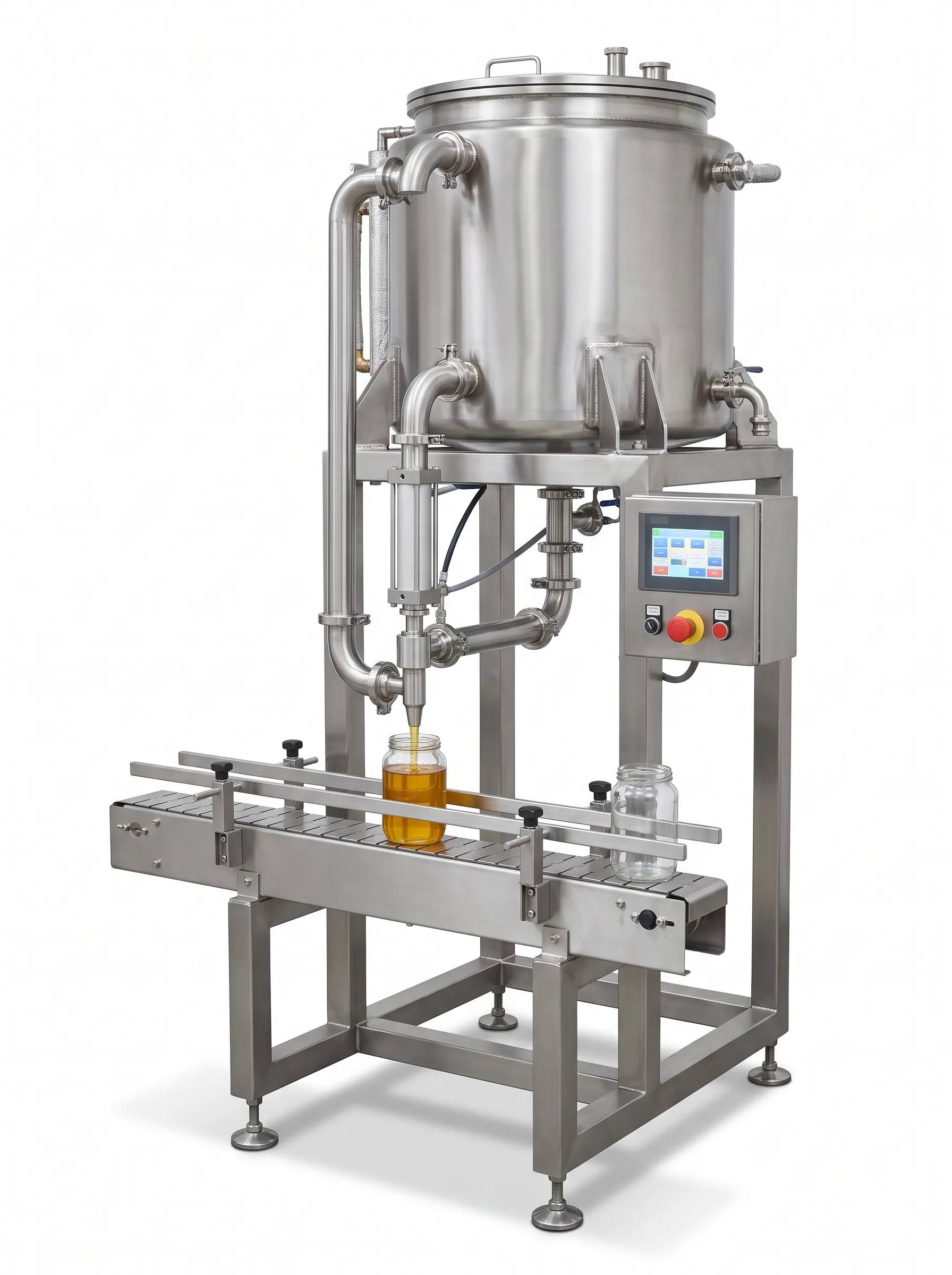
- Bottle lines (500 ml–5 L): precision filling with capping and sealing for premium retail oils.
- Compliance layer: batch coding and labeling integrated into the line so every pack leaves traceable and retail-ready.
Bulk Packaging Lines: 10 L to 25 L Specifications
The 10–25 L bulk segment — tins, jars, and jerry cans for bakeries, food service, and institutional kitchens — is the most underserved format in Indian oil packaging. These containers need dedicated engineering, not scaled-down retail machines.
Filling
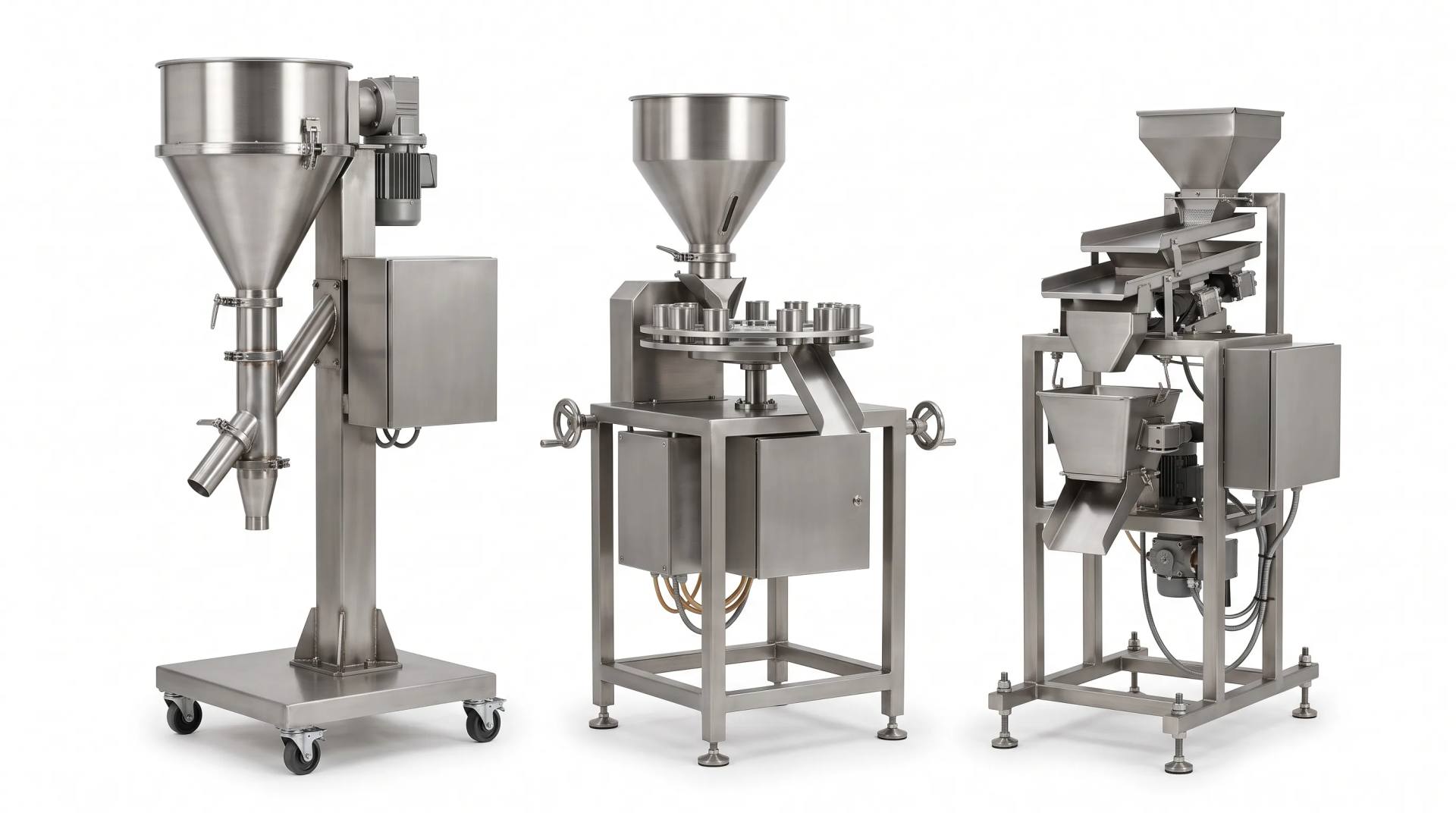
Multi-head piston fillers hold volumetric accuracy at high flow rates for 10 L, 15 L, and 25 L containers; drip-free nozzle cutoff matters more as container openness increases.
Conveying
Heavy-duty conveyor systems rated for filled weights of 10–25 kg handle container transfer without line jams — a common failure point when light-duty conveyors are repurposed for bulk.
Capping and Closing
Automatic capping or lid-pressing stations, matched with weighing verification, close the loop on accuracy before palletising.
Edible Oil Filling Machine Price: What Drives Cost and ROI
Indian market listings span a wide band — entry semi-automatic bottle fillers start in the tens of thousands of rupees, while fully automatic lines list at ₹8–9 lakh and up — so the useful question is what drives the number, not what the number is. Marketplace evidence shows the spread clearly: compact 20 BPM electric fillers list near ₹4 lakh, single-head semi-automatic units list far lower, and multi-head automatic lines for bulk formats cross ₹8.5 lakh.
- Automation level: manual → semi-automatic → fully automatic; each step trades capital for labour and consistency.
- Filling heads and output speed: more heads and higher BPM raise price roughly in step with throughput.
- Format and viscosity handling: pouch form-fill-seal machines, bottle fillers, and bulk tin lines are differently engineered products.
- Energy and footprint: compact automatic pouch machines for 500–1000 ml commonly run 1,000–2,500 pouches per hour on standard factory power.
Price the line, not the machine. A filler that runs 30% faster but feeds a manual sealing table simply moves the bottleneck downstream — match filling, sealing, and coding capacities before comparing quotes.
Factory-direct sourcing narrows the gap between quoted and delivered performance. Buying from the building manufacturer removes middleman markups and — more importantly — keeps commissioning, spare parts, and engineering changes inside one accountable team.
Why Indian Producers Choose New Vision Machines
New Vision Machines builds industrial-grade filling, sealing, and coding equipment at its Indore facility specifically for Indian production lines and Indian budgets. The company is structured for SMEs that need enterprise-grade automation without enterprise procurement cycles:
- Direct factory-built machinery from the Indore facility
- Comprehensive 1-year manufacturer warranty with documented technical support
- Pan-India installation and hands-on operator training
- End-to-end line integration from filling to coding — including band sealing for pouch lines
Request a custom quote with your format, viscosity, and target output — and get a configured line proposal, not a catalogue price.