What the proposed bundle covers
Swipe or scroll horizontally to view all columns
| Criteria | Equipment | Function and procurement check |
|---|---|---|
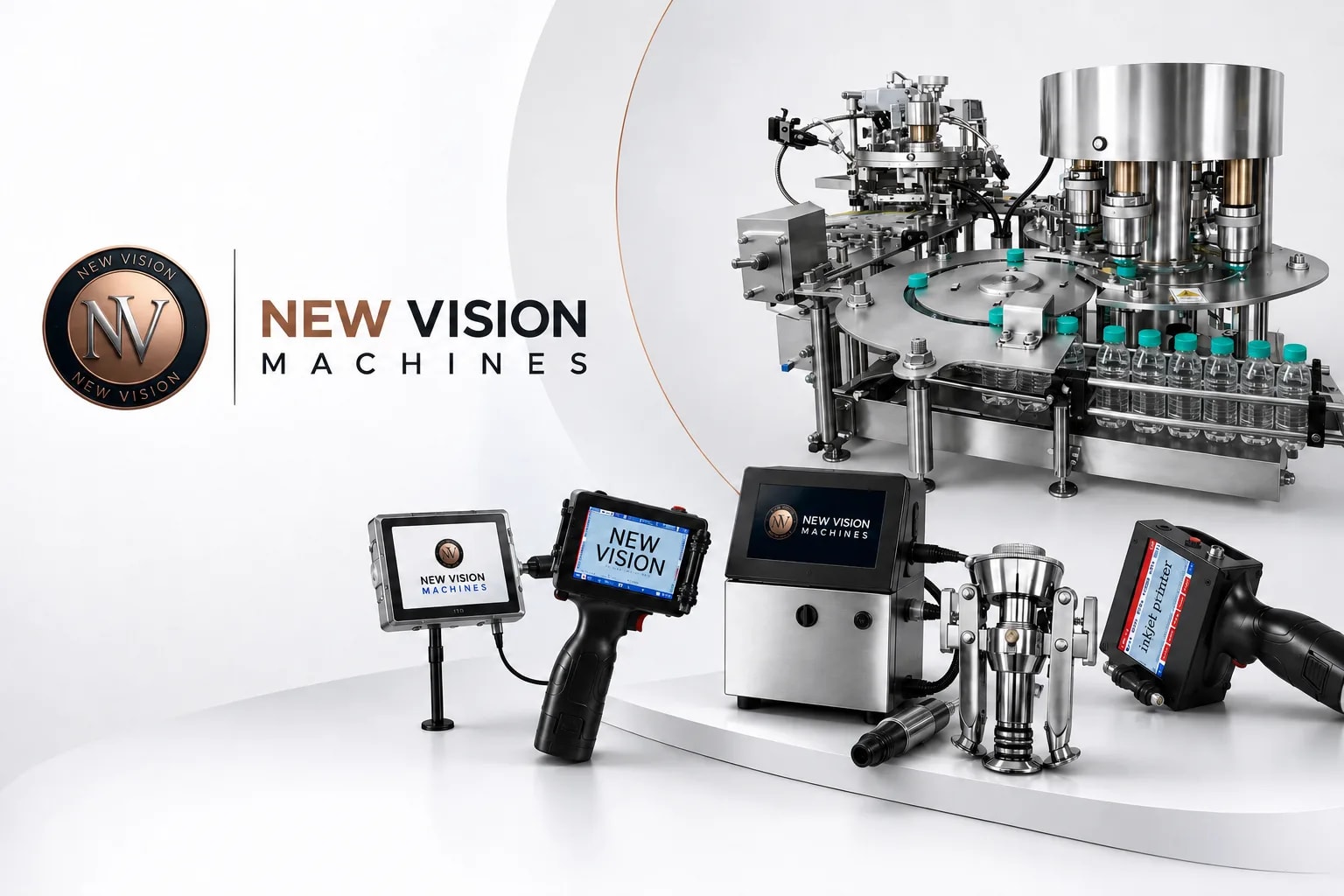
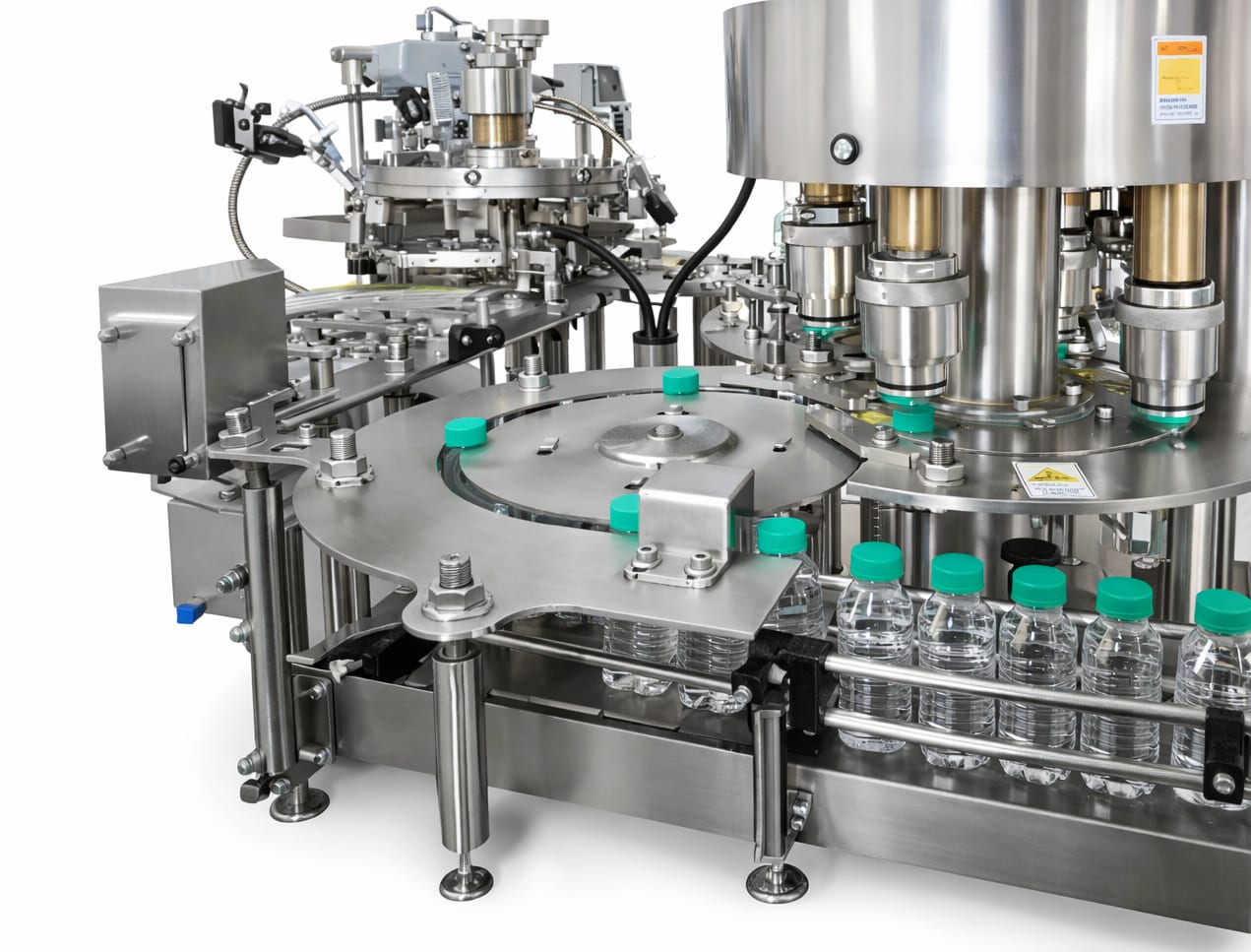
| Rinse, fill and cap | Automatic RFC water bottle machine | Rinses empty PET bottles, fills with treated water and applies compatible caps. Confirm model, neck handling, caps, rinsing arrangement and accepted output. |
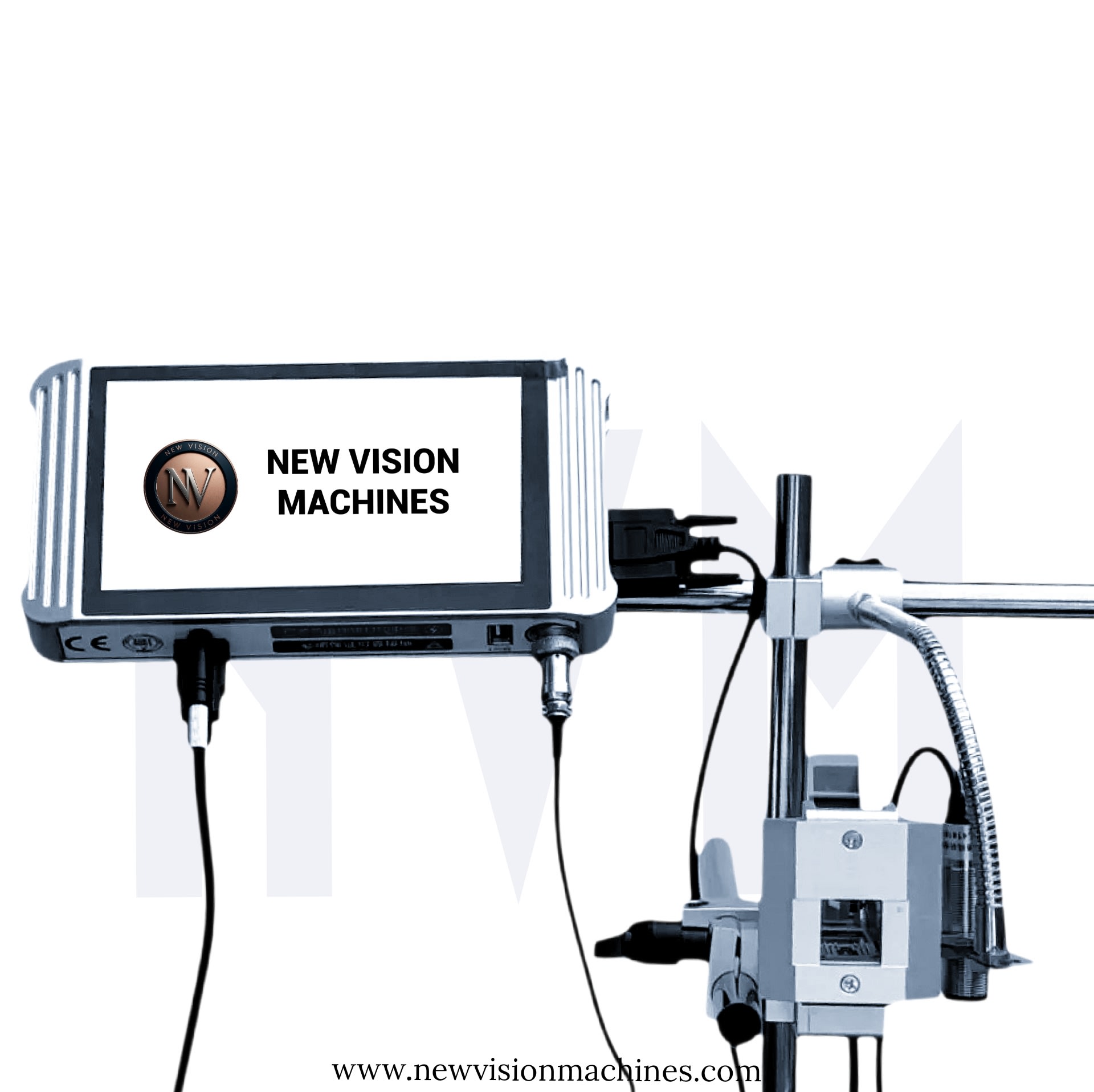
| Apply variable codes | Online TIJ 2.5 batch coding printer | Prints the agreed batch/date information on a compatible dry surface. Confirm print position, ink, trigger and conveyor arrangement. |
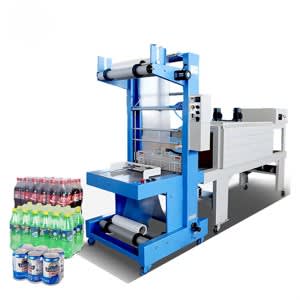
| Group and shrink-pack | Semi-automatic web sealer and shrink tunnel | Sleeves and shrinks film around grouped bottles. Confirm manual tasks, pack dimensions, LDPE film and sustained packs/minute. |
A coordinated supply should also define transfer conveyors, guards, accumulation, electrical interfaces, commissioning responsibilities and operator training. These are quotation items to agree, not automatically included accessories.
The RFC receives water of the required quality; it does not turn untreated source water into compliant packaged drinking water. A complete factory may also require treatment, tanks and sanitary pipework, bottle blowing or purchased bottles, cap handling, labeling, compressed air, electrical distribution, inspection, testing and secondary handling.
Ask for each item to be marked included, optional or buyer-supplied. If you need a full turnkey project, state that in the enquiry. The proposal must name the party responsible for upstream treatment and plant compliance rather than hide them inside the word “complete.”
The NVM RFC product listing covers a machine family with published capacities of 24–120 bottles/minute and 200–2,000 ml PET bottles. Those ranges describe configurations, not an assurance that one machine will handle every bottle at the maximum output.
Confirm the actual rinse/fill/cap head configuration, bottle change parts, control sequence and cleaning procedure in the technical offer. A “28 mm neck” description alone is not a substitute for checking the exact bottle-and-cap combination.
Provide for the RFC assessment
Bottle drawings or samples
Including neck finish, diameter and height.
Cap specification
Cap specification and an approved closure sample.
Production formats
Main production size and the other formats you expect to run.
Required output
Required saleable output for each bottle size.
Utilities
Treated-water supply, rinse-water arrangement and plant utilities.
Match shrink-packing speed to the bottle line
Swipe or scroll horizontally to view all columns
| Criteria | Required pack rate (12-bottle bundles) | Against the published 5–8 packs/minute wrapper rate |
|---|---|---|
| 60 BPM filling line | 5 bundles/minute before stoppage allowance | At the lower published wrapper rate — needs an actual pack trial and operating allowance |
| 120 BPM filling line | 10 bundles/minute | Above the published 5–8 packs/minute range — not a balanced pairing on the published rating |
BPM and packs/minute are different units. For a 12-bottle bundle, 5–8 packs/minute corresponds to 60–96 bottles/minute as a nominal conversion — not a guarantee of sustained output.
A 24-bottle pack changes the arithmetic, but its larger footprint, weight and handling requirement must also fit the equipment. Options include a faster packing stage, a different validated pack pattern or operating the upstream equipment at a lower accepted rate. Do not solve a capacity mismatch on paper without a pack trial.
Coding normally sits downstream of filling and capping when the selected print area is accessible. If printing onto a label, its position depends on when the label is applied. Code placement should be agreed alongside the labeling and shrink-packing sequence.
Wet PET, bottle rotation and inadequate ink drying can undermine an otherwise clear code. Test the actual code after the bottle has passed through the intended downstream handling. The online TIJ printer remains available as a standalone industrial coding system; it is not limited to water applications.
The web-sealer listing specifies approximately 12–15 kW and a 415 V three-phase supply. The RFC family’s published electrical requirements vary by model. These are inputs to a proper connected-load and utility schedule — not numbers to combine into a plant design without checking the actual machines.
The layout should show operator positions, film-roll access, emergency-stop zones, maintenance clearance, cap/bottle replenishment and the finished-pack exit. Provide the usable room dimensions and door openings, not just total floor area.
Agree an acceptance test for the whole line
Trial specification
Bottle, cap, film and code specification used in the trial.
Actual running record
Actual running time, stoppages and accepted output.
Fill & cap integrity
Fill quantity/level assessment and cap integrity.
Code durability
Code accuracy, legibility and adhesion after handling.
Bundle quality
Shrink-bundle stability, seal quality and bottle distortion.
Operator tasks
Operator tasks, changeover process and rejection handling.